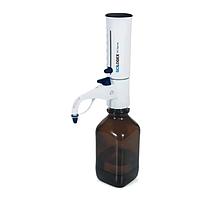
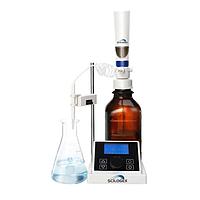
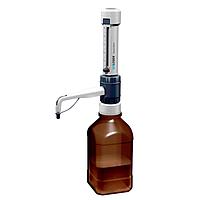
瓶盖溶剂泵
Handling aggressive or volatile liquids in the lab calls for equipment that is both practical and chemically appropriate. A bottle top solvent pump helps transfer solvents directly from reagent bottles with better control, less waste, and reduced operator exposure compared with open pouring or improvised dispensing methods.
In laboratories where solvents are used every day, small improvements in dispensing can make a noticeable difference to safety, cleanliness, and repeatability. This category is intended for users who need a reliable way to move liquid from storage bottles into smaller vessels, process containers, or routine workflows without complicating bench operations.
Where bottle top solvent pumps fit in laboratory work
These pumps are typically used when liquids need to be dispensed directly from a mounted bottle rather than transferred manually. This is especially useful in analytical, chemical, pharmaceutical, and research environments where solvents are handled frequently and consistency matters.
A bottle-mounted pumping setup can help reduce spills, simplify repetitive dosing, and support a cleaner working area. It also allows technicians to keep the original chemical container closed more effectively than with frequent uncapping and pouring, which may be beneficial when dealing with evaporation-sensitive liquids or demanding handling procedures.
Why labs use this type of dispensing solution
The main advantage of this product group is controlled solvent transfer. Instead of relying on hand-pouring, users can move liquid in a more measured way, which is valuable for sample preparation, reagent handling, and general laboratory support tasks.
Another important consideration is operator convenience. When a bottle top solvent pump is matched to the application, it can improve ergonomics during repeated use and support more efficient day-to-day bench work. In workflows that also involve storage and transfer accessories such as laboratory bags or sealed liquid containers, the pump becomes part of a more organized liquid-handling setup.
Key points to consider when selecting a bottle top solvent pump
Selection should start with the chemical compatibility of all wetted parts. Solvents vary widely in how they interact with plastics, seals, and tubing materials, so the pump must be suitable for the liquid being dispensed and the intended frequency of use. This is one of the most important practical checks before purchase.
Users should also think about bottle fit, dispensing volume, and the level of control required. Some applications only need simple transfer from stock bottle to receiving vessel, while others may benefit from more repeatable manual dosing. The right choice depends on whether the pump will be used for occasional transfer, routine lab preparation, or repeated solvent distribution across multiple tasks.
Typical applications in lab environments
Bottle top solvent pumps are commonly chosen for routine solvent dispensing in chemistry labs, preparation rooms, and research benches. They can support workflows involving rinsing, reagent preparation, sample dilution, and movement of process liquids into smaller containers for immediate use.
They are also relevant in settings where maintaining a tidy and efficient dispensing point is important. For example, laboratories that use related handling items such as ampoules for storage or sampling may prefer a pump-based transfer method to minimize unnecessary handling steps between bulk and small-volume containers.
How this category supports safer solvent handling
Solvent dispensing is not only a matter of convenience; it also affects routine laboratory safety. A properly used bottle top pump can help limit splashing and reduce the chance of accidental overpouring. That matters in environments where cleanliness, traceability, and careful material handling are part of normal operating practice.
It is still important to remember that safe use depends on the full process, including the solvent type, bottle stability, ventilation, personal protective equipment, and laboratory procedures. The pump is one component in a broader liquid handling workflow and should be selected accordingly rather than treated as a universal fit for every chemical.
Related labware often used alongside solvent pumps
In practice, this category is often considered together with other bench and storage items. Receiving vessels, sealed containers, transfer accessories, and consumables all influence how efficient the dispensing process will be. Depending on the workflow, users may also review related categories such as bottle top solvent pump options across this page or complementary products like laboratory adhesives where labeling, sealing, or sample management is part of the process.
The most effective setup usually comes from considering the entire handling chain: bulk storage, controlled dispensing, temporary holding, and final use. Looking at the workflow as a whole often leads to better equipment choices than selecting individual items in isolation.
Choosing the right option for your workflow
If your lab regularly handles solvents from stock bottles, this category offers a practical starting point for improving transfer control at the bench. The best choice will depend on the liquids involved, expected usage frequency, compatibility requirements, and the level of dispensing precision your process needs.
By focusing on application fit rather than generic specifications alone, buyers can narrow down more suitable solutions for routine laboratory use. A well-matched bottle top solvent pump can support cleaner dispensing, smoother bench operation, and a more consistent handling process across day-to-day lab work.
直接联系认证专家