Clean oral hygiene
Brushing teeth and rinsing your mouth are always the first things many people think of when they want to reduce the smell of alcohol on their breath. Although there is no specific research proving that this method reduces alcohol concentration index, it clearly brings an immediate cleaner and more pleasant feeling.
Use shrimp paste to reduce alcohol concentration in your breath
Eating shrimp paste to reduce the smell of alcohol on your breath is an interesting tip that not everyone knows. This food has a strong characteristic odor, enough to quickly overwhelm the smell of alcohol. However, not everyone is comfortable or familiar with shrimp paste, so this method may not be suitable for everyone.
If you choose to try it, remember to rinse your mouth or brush your teeth afterward to keep your breath cleaner and feel more confident when communicating. A fairly simple method, but consider your personal preferences and circumstances before applying.
Chew gum or use mouth freshener
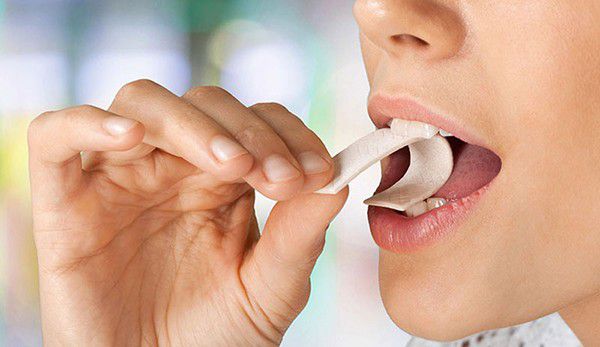
When you have consumed small amounts of alcohol, chewing gum or mouth fresheners may be options to try. Although it is not possible to completely eliminate alcohol concentration, the fragrance from these products somewhat overcomes the smell of alcohol in the breath. However, this method is only suitable if you drink alcohol in moderation and is not really effective if the amount of alcohol in your body exceeds the threshold.
Reduce the smell of alcohol in your breath with wind oil
Wind oil with ingredients containing mint essence, is often considered by some people as a "miracle drug" to help quickly reduce the smell of alcohol in the breath. This method is popular among drivers, because mint has the ability to mask the smell of beer and alcohol, bringing a more pleasant feeling of breath when communicating or facing inspection situations.
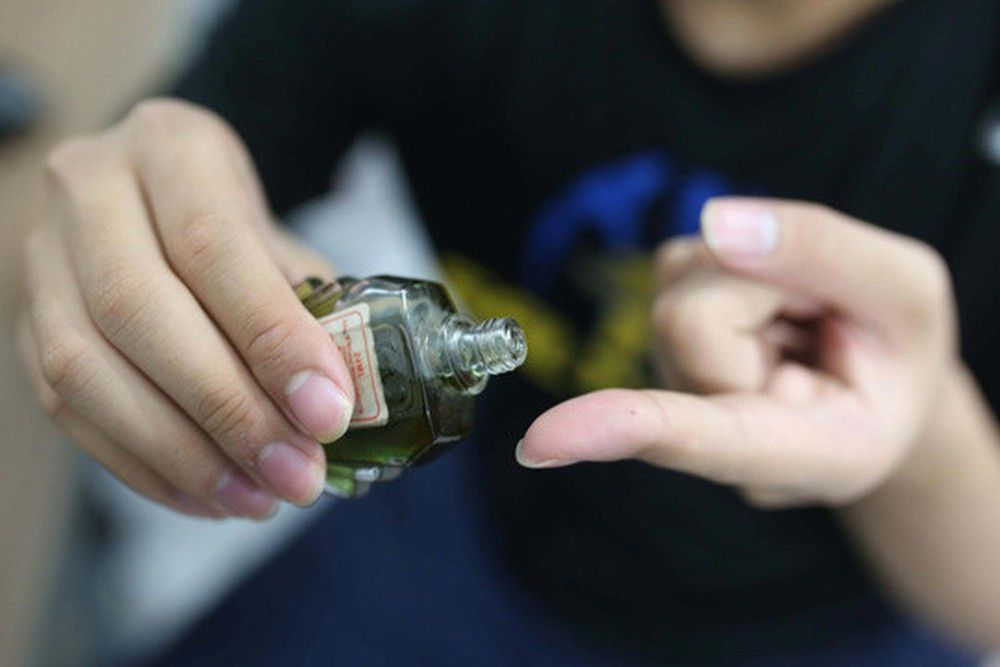
However, wind oil does not actually reduce blood alcohol levels. Using large amounts may affect taste or cause an unpleasant feeling in the mouth. This is only a temporary measure and does not ensure safety when driving vehicles.
Use an alcohol meter to check the alcohol concentration in the body
To know for sure whether there is alcohol in the breath or not, the most effective way is to use an alcohol meter. For example, the AL6000 alcohol meter is a device worth considering. This machine is designed to be compact and easy to use to help you measure alcohol concentration quickly and accurately through the breather tube..
Sentech Iblow 10 alcohol concentration meter
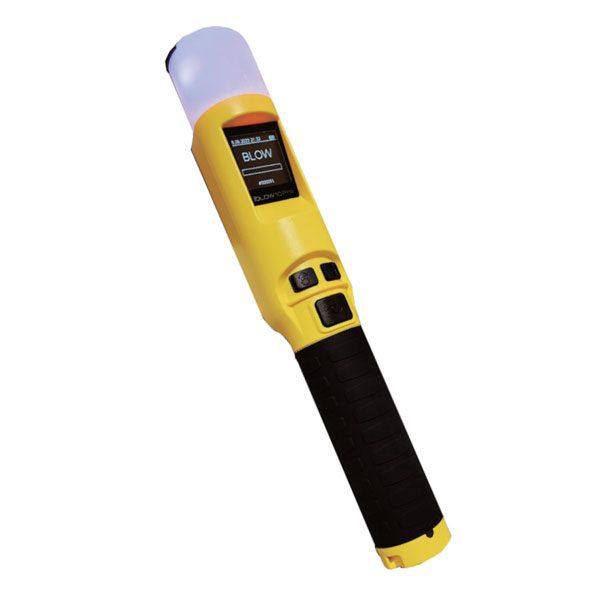
The Sentech Iblow 10 alcohol meter is designed for use in traffic or administrative testing situations.
Alcohol use can impair the ability to control actions by affecting the nervous system. To ensure the safety of yourself and those around you, you absolutely should not participate in traffic after drinking alcohol, because the risk of an accident is very high. Measures to reduce the alcohol concentration in the breath are only temporary, helping the body feel more comfortable, and are absolutely not a way to circumvent the law or deal with the test process.
If you want to reduce the alcohol concentration in your body, you can apply some natural methods such as drinking lots of filtered water, getting enough rest, or eating snacks such as porridge or fresh fruit. However, it should be noted that there is no way to completely "hide" alcohol levels when using testing equipment such as the Sentech Iblow 10 meter - a device designed to accurately and honestly measure alcohol levels. in breath.