Buried power cables are a vital part of urban and industrial electrical networks. Because they are installed below ground, a fault can be difficult to inspect directly and may complicate restoration work. An underground cable fault tester helps maintenance teams assess suspected cable problems and focus their investigation on the most likely fault area before excavation.
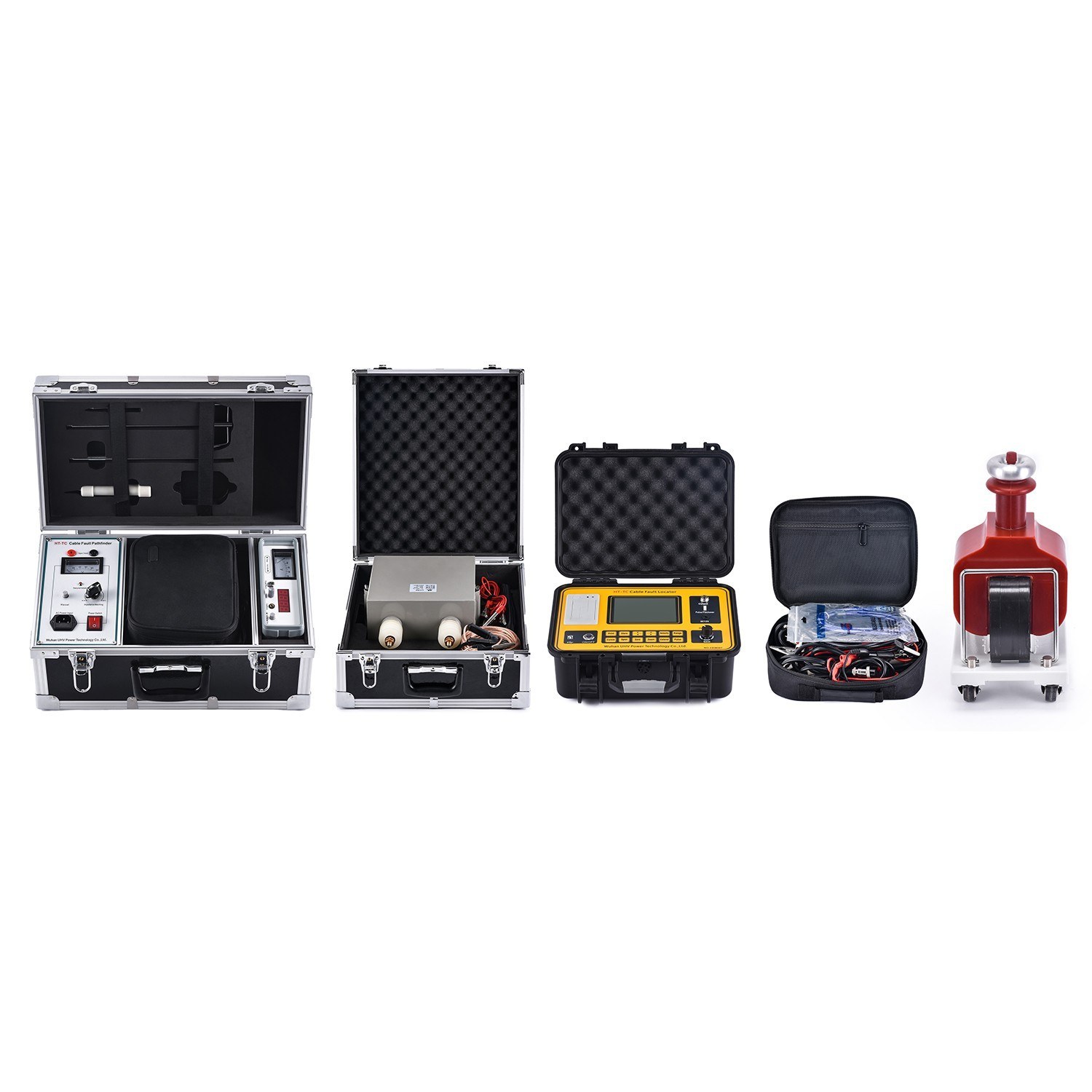
Rather than relying on visual checks alone, cable fault testing equipment applies and interprets electrical signals. Depending on the test approach, electromagnetic, pulse, or high-voltage principles can help identify conditions such as short circuits, grounding faults, open circuits, and high-resistance faults. The objective is not simply to find a damaged cable, but to establish a clear, repeatable path from the initial report to confirmation and repair.
What can affect buried cable condition?
Cable faults may develop for several reasons, and understanding those influences makes the testing process more focused. Field records, installation history, and the operating environment can all provide useful context before a test begins.
Environmental exposure
Soil moisture, acidity, and exposure to certain chemicals may gradually affect a cable’s insulation layer. These conditions are especially relevant when faults recur in the same route or when the cable has been installed in a demanding environment.
Installation and construction issues
Damage during excavation, unsuitable handling during installation, or compression during backfilling can create hidden weaknesses. These issues may not become apparent immediately, so construction history can be valuable when reviewing a suspected fault.
Operating stress and external damage
Long-term thermal effects, voltage fluctuations, and overload can contribute to cable aging. In addition, road work, excavation, and events such as earthquakes can damage an installed cable route. A cable fault tester is therefore most useful when its readings are considered alongside known site activity and operating information.
Core tools used in cable fault location
A complete fault-location task may involve more than one instrument. Each tool contributes a different part of the evidence needed to narrow the search area and investigate the cable safely.
- Positioning information: Total-station or GPS information can help establish the cable route and reduce the initial search area.
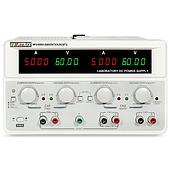
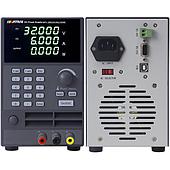
- High voltage generator: This equipment applies a specified electrical test signal that other instruments can detect and analyze.
- Pulse generator: A pulse generator sends energy into the cable. Reflected signals can be assessed to support fault-distance evaluation.
- Signal receiver or direction finder: These instruments assist personnel in following signals along the cable route and identifying areas of abnormal response.
Tool selection should match the suspected fault type and site conditions. Some insulation degradation conditions may require auxiliary methods in addition to standard fault-location testing.
A structured underground cable fault testing workflow
Consistent procedures help teams avoid unnecessary excavation and make test results easier to review. The following workflow provides a practical framework.
- Review available information. Examine inspection records, fault reports, route data, and recent site activity. Make an initial assessment of the possible fault type and area.
- Apply the appropriate test signal. Use a high voltage generator or pulse generator as required by the investigation method.
- Receive and analyze signals. Move along the known or estimated cable route with a signal receiver. Changes in signal response may indicate that the fault is nearby.
- Refine the location. Use directional information and the collected readings to narrow the suspected point before ground work begins.
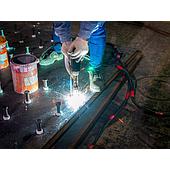
- Confirm through controlled excavation. Carry out limited excavation at the designated location, verify the condition, and proceed with repair planning.
Operational considerations
Underground cable fault testing involves specialized electrical equipment and requires professional knowledge and operating skills. Testing should be performed by trained personnel using an appropriate procedure for the cable system and fault condition. A fault tester supports diagnosis; it does not replace careful review of site conditions or confirmation of the physical cable condition.
Preventive maintenance also remains important. Routine inspections, insulation-resistance testing, improved construction practices, and cable monitoring can help identify developing issues and support more reliable cable operation.
Frequently asked questions
Can an underground cable fault tester identify every fault?
It can support the investigation of common short circuits, grounding faults, open circuits, and high-resistance faults. Certain insulation degradation conditions may require additional test methods.
Why is a signal receiver used during cable fault location?
A signal receiver helps personnel detect and assess the electrical signal along the cable route. This supports the process of narrowing the suspected fault area.
Can a fault be repaired immediately after testing?
Testing helps identify a likely location, but the cable condition should be confirmed through controlled excavation before repair work is planned.
Who should operate cable fault testing equipment?
Because this work requires technical knowledge and operational skill, it is best handled by trained professionals.