According to the practical experience of many people, the incubation temperature of chicken eggs can affect the gender of the chicks. Although this has not been scientifically confirmed or refuted, it is still a hotly discussed topic in the livestock community.
So if you want to incubate more roosters, how should the egg incubation temperature be adjusted? In this article, EMIN will share the temperature level that many people believe can increase the rate of roosters when incubating eggs. However, this is only anecdotal experience, there is no official research to confirm it. Breeders can refer to and experiment to evaluate actual effectiveness.
Answer: What is the appropriate temperature to incubate rooster eggs?
Many breeders want to adjust the ratio of roosters and hens right from the incubation stage, but up to now there is no method that has been proven to be absolutely effective. Some practical experiences say that it is possible to achieve a rooster/hen ratio of 6:4 or 7:3 by adjusting the incubation temperature of chicken eggs, while many others refute this view. Based on synthesis from many sources of information, there are two main approaches proposed:
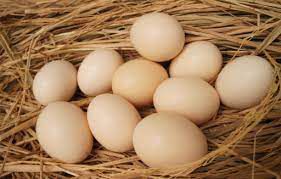
1. Chicken gender is determined at fertilization
According to this point of view, the temperature at which chicken eggs are incubated during incubation does not affect the sex of the chicks. Instead, if you want to increase the ratio of roosters or hens, farmers need to focus on the nutrition of the parent chickens during the breeding period. However, this method has limitations because if not fed enough, chickens will not lay eggs, and if fed too much, chickens can get fat, reducing egg quality.
2. Incubation temperature can affect the male/female ratio
According to some oral experiences, changing the incubation temperature of chicken eggs at the appropriate time can increase the ratio of roosters or hens. Specifically, if you want to increase the rate of roosters, farmers can increase the egg incubation temperature by 0.5°C on two important days during the incubation process. These two days are calculated using the formula: Critical days = (Total number of standard incubation days / 2) - 1
For chicken eggs with an incubation period of about 21 days, people will increase the incubation temperature of chicken eggs by 0.5°C on days 9 and 10. This is a method used by many people, but the actual effectiveness has not yet been scientifically proven.
Some notes about temperature when incubating chicken eggs
In addition to adjusting the incubation temperature of chicken eggs based on experience to influence the male/hen ratio, farmers also need to pay attention to the standard incubation temperature of chicken eggs to ensure a high hatching rate.
During the first week, the ideal incubation temperature for chicken eggs should be maintained at 37.5°C, then it can be gradually reduced towards the end. If temperature and humidity are well controlled, the hatching rate can reach 90%.
Incubation temperature and humidity are two important factors that directly affect the hatching rate and quality of chicks.
To ensure accuracy during incubation, you should use a hygrometer - a device that helps monitor chicken egg incubation temperature and humidity, supporting better control of the incubation environment..
How to create humidity in a chicken egg incubator inexpensively
Many breeders believe that egg incubators need to have an automatic misting system to maintain humidity, helping the chicks hatch better. However, the reality is not entirely like that. Incubators with mist sprayers often cost more, while there is still a simpler and more economical way to ensure the necessary humidity.
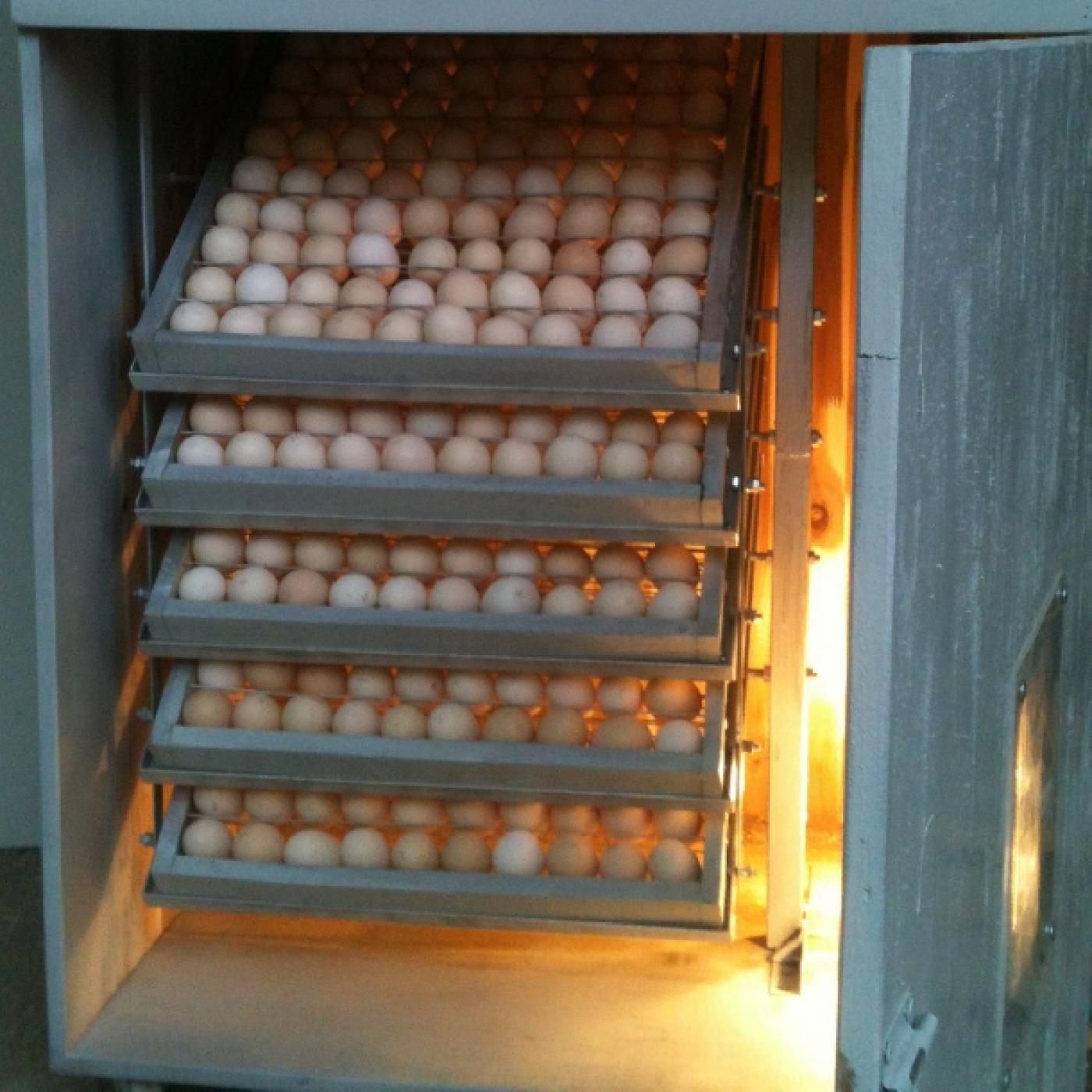
Instead of using a misting system, farmers can place a water tray at the bottom of the incubator. This method not only helps maintain humidity but also saves electricity, because there is no need to use additional humidifiers.
Normally, when placing the water tray at the bottom of the machine, the humidity in the machine will remain at 55-65%. If you need to increase humidity, you can:
- Add water tray to increase evaporation.
- Expand the surface exposed to air, such as placing a cotton towel in the water tray to aid the evaporation process.
Effect of increasing chicken egg incubation temperature
In theory, increasing the incubation temperature of chicken eggs by 0.5 degrees Celsius for 2 days does not have much effect on egg development. Regarding whether raising the temperature of incubating chicken eggs like this helps hatch more males or not, no one has yet confirmed it, just sharing experiences.