The phenomenon of nylon fabric yellowing refers to a surface color change from white or light-colored to yellow when the material is exposed to light, heat, or chemicals. In textile products, this change directly affects appearance, particularly in white and light-colored products and materials that require consistent color uniformity. Therefore, a fabric color fastness tester is an essential part of the quality control process, rather than simply addressing the issue after discoloration has already occurred.
Nylon fabrics, elastic fibers, and certain blended fabrics containing these materials may be susceptible to yellowing. The phenomenon can occur at various stages, including dyeing and finishing, heat setting, storage, display, or actual use. Since multiple factors may contribute to yellowing, identifying the actual cause requires an assessment of processing conditions, chemicals used, material condition, and packaging and storage practices.
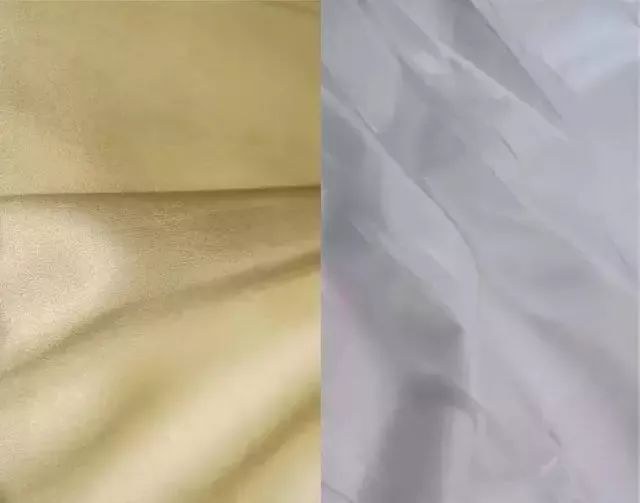
Common causes of yellowing in nylon fabrics
NOx fumes and gas fading
Oxides of nitrogen (NOx) are identified as a potential source of yellowing. They may be associated with shaping or setting equipment heated by direct gas or oil combustion, as well as with exposure during storage. Where a fabric is processed or kept in an environment containing NOx fumes, evaluating that exposure can be an important part of root-cause analysis.
For specimen setting work, the GESTER Laboratory HT Steamer Stender-Vertical Type GT-D21B is referenced for use during specimen sizing. Reviewing the heating method and processing environment alongside the specimen results can help teams consider whether gas-related conditions are involved.
Ozone exposure
Ozone can also contribute to discoloration in apparel materials. The source information notes that certain softeners may be associated with yellowing in an ozone environment. This means that finishing choices and atmospheric exposure should be considered together rather than separately.
Ozone resistance softeners may be considered where appropriate to the material and process. The GESTER Colorfastness to Ozone GT-D01B is identified as an instrument used to simulate an ozone environment for evaluation. Comparing samples with different finishing treatments can support a more informed review of this potential factor.
Heat and high-temperature processing
High temperature is another important condition to examine. Fiber oxidation, lubricants on fibers or textiles, and impurities on the material may be affected by heat. Yellowing may therefore be observed after heat-setting, high-temperature molding or stamping, or processes that combine softeners with elevated temperature.
For synthetic textiles, it is useful to document the processing temperature, duration, chemical treatment, and sample appearance before and after exposure. The GESTER GT-C52 Programmable Temperature & Humidity Test Chamber is referenced for testing related to temperature and humidity conditions.
Sunlight, fluorescent brighteners, and light exposure
Fabrics treated with fluorescent brighteners may show yellowing after prolonged sunlight exposure, particularly when the brightener has limited light fastness. Light is an energy source that can contribute to fiber degradation, and glass does not filter all ultraviolet radiation. The source information also notes that nylon may yellow more readily in some fiber appearances or when pigment is present, while higher moisture can worsen the issue.
When light exposure is suspected, compare protected and exposed specimens under controlled conditions. The GESTER GT-D02A-1 Light Fastness Tester - Room Temperature (Air-Cooled) is identified for simulating sunlight-related exposure.
Storage, packaging, and material interactions
Yellowing can occur after manufacturing as well as during it. Storage and packaging conditions deserve careful attention, especially for light-colored goods. Potential considerations include phenol- and amine-related yellowing, dye or fluorescent fading, and degradation of the fiber. Keeping clear records of packaging type, storage duration, display conditions, and nearby materials can make later investigations more meaningful.
Chemical interactions are also relevant. Residual oil, softeners, fluorescein-related effects, and other finishing materials may influence the final color stability of a fabric. When a yellowing issue appears, reviewing the chemical history of the batch alongside its exposure history is more useful than assuming the fiber alone is responsible.
A practical approach to investigating yellowing
Start by defining when and where the color change was first observed: after dyeing and finishing, after heat treatment, during warehousing, in a showroom, or after end use. Then compare affected and unaffected samples and record differences in fiber composition, chemical treatment, processing conditions, packaging, moisture, and exposure to heat, light, ozone, or NOx.
Testing should be selected according to the suspected exposure rather than applied as a generic pass-or-fail exercise. Ozone simulation may be relevant for atmosphere-related concerns, while controlled temperature and humidity conditions may be useful for heat-related questions. Light fastness evaluation may be appropriate when yellowing is associated with sunlight or display exposure.
Effective prevention starts with comprehensive process control: monitoring heating conditions, assessing the risks associated with NOx and ozone, evaluating finishing chemicals, checking material moisture, and managing packaging and storage environments. For fabrics containing optical brightening agents or those with strict color requirements, the effects of light should be evaluated at an early stage.
When defects occur, test data and process records obtained from a Textile color fastness tester can help identify the contributing factors more accurately, thereby reducing the risk of recurrence in subsequent production batches.