Typically, modern electronic sensors help monitor and maintain humidity in clean rooms with high accuracy, with only about 1% error. However, no matter how advanced the technology, when handling hazardous materials, working in an area with a chemical fume hood is still irreplaceable. So why is a fume hood important and what should you pay attention to when using it? Let's learn more about the essential role of this equipment and the basic principles to ensure safety during experiments.
The importance of fume hoods in the laboratory
Fume hoods play an essential role in protecting all laboratory personnel by removing toxic or hazardous vapors from work areas. An effective ventilation system is a key factor to ensure that polluted air is thoroughly treated, minimizing risks. Without a fume hood, employees can face serious harm, especially when working with specific materials such as during the 14C labeling process. Inhaling toxic gases is not only dangerous to your health, but also poses other potential threats such as fire, explosion, burns, or absorption of unwanted chemicals.
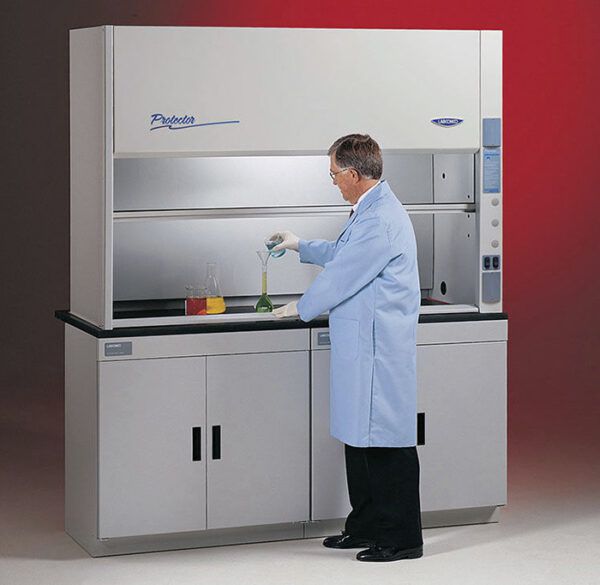
In particular, to meet GMP quality control standards, laboratories need to be equipped with toxic fume hoods before starting any activities. Fume hoods not only protect the health of employees but also ensure overall safety in the work environment, especially in API GMP manufacturing, where hazardous chemicals are frequently handled. Therefore, investing in a fume hood is absolutely necessary and worth considering for use in a lab working environment.
Refer to the lab fume hood product at: Fume hood
How to use a toxic fume hood effectively
When working with materials such as radioactive compounds, checking the fume hood before starting the experiment is indispensable. Ensuring the device is working properly helps protect users from potential risks. Note that fume hoods are designed to remove toxic gases, not to store chemicals or equipment. Storing these materials in a fume hood may cause unwanted risks. Instead, chemicals and tools should be stored properly in designated areas.
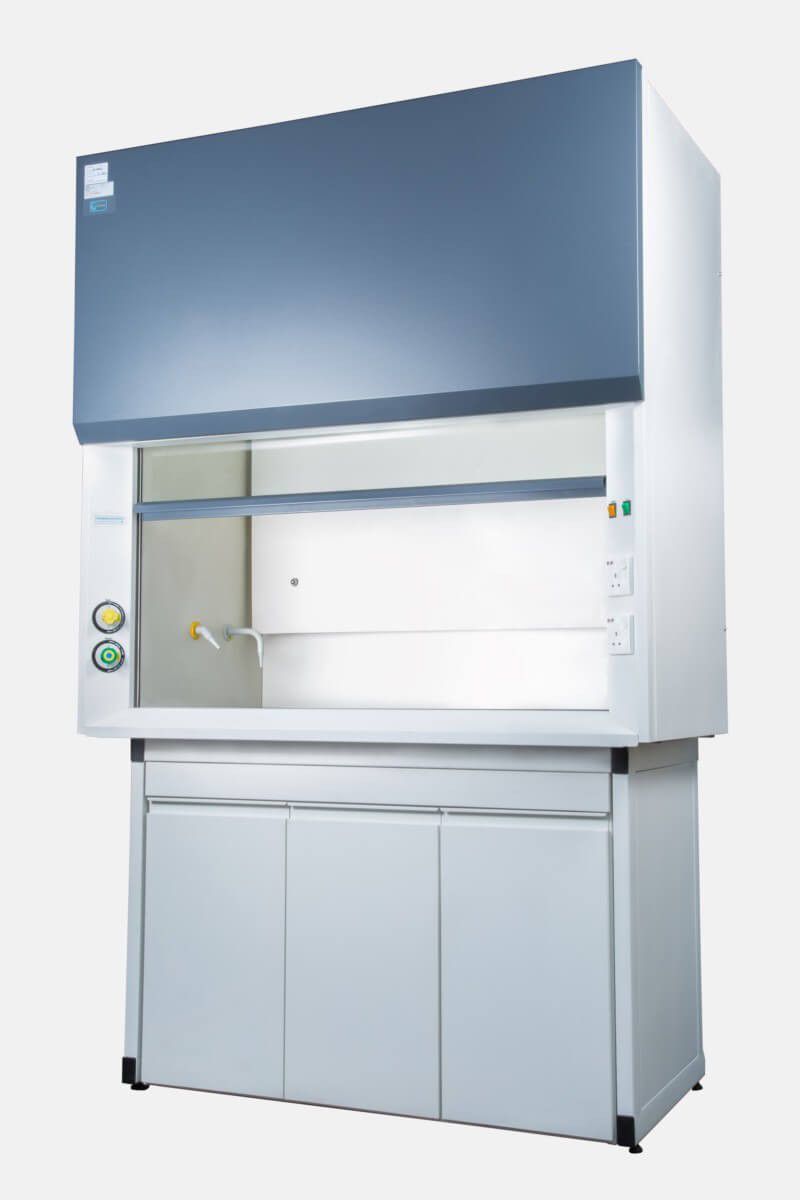
In addition, to ensure performance and safety, fume hoods need to be periodically inspected by experts to ensure full compliance with standards and technical guidelines. This not only helps the equipment operate optimally but also minimizes potential risks in the laboratory.
See more related articles: How to choose the right fume hood for the laboratory