Identify water contaminated with alum
Water contaminated with alum often has a cloudy yellow color, a characteristic fishy odor, and a slightly sour taste when tasted. When you leave water in the bucket for about 10-15 minutes, you will see precipitation, a layer of scum floats to the surface, and the water turns brick yellow.

In addition, important indicators of water quality such as TDS, hardness, or pH often exceed the safe threshold.
If the water has a slightly sour taste, low pH, appears scum, and causes clothes to become yellow when washed, that is a clear sign of alum contaminated water. In particular, with severe alum contamination, the water also emits a very unpleasant fishy smell, causing great hindrance in daily activities.
Serious effects when accidentally using alum-contaminated water:
Using alum-contaminated water without treatment can cause many serious health problems. Some common diseases that may be encountered include:
- Hepatitis A: Causes symptoms such as nausea, jaundice, fever, diarrhea, and in severe cases can lead to acute liver failure.
- Typhoid: Common signs are high fever, abdominal pain, headache and rash.
- Dysentery: The disease causes severe diarrhea, accompanied by fever and abdominal pain, causing severe dehydration of the body.
- Cholera: Causes acute diarrhea, vomiting, rapid dehydration and abdominal pain.
- Skin and teeth problems: Alum-contaminated water can cause inflamed, peeling skin, dry hair, and yellow teeth.
In addition, using well water contaminated with alum for a long time also increases the risk of chronic diseases, even cancer, because the water often contains many toxic bacteria and heavy metals such as:
- Arsenic: Has a risk of leading to skin or lung cancer.
- Mercury: Directly affects the central nervous system.
- Nitrate: Especially dangerous for infants under 6 months old, can cause serious poisoning.
- Sulfate: Related to gastrointestinal diseases such as diarrhea or dysentery.
Effects other than health

In addition to serious health effects, alum-contaminated water also causes many troubles in daily activities:
- Washing: Clothes washed with alum-contaminated water over time will become dull, have yellow stains, become rough and more easily damaged.
- Household appliances: Alum water causes scale, corrosion, rust and yellowing of items, especially items made of metal.
- Food: When cooking with alum-contaminated water, food easily deteriorates, changes color and taste, and no longer retains its freshness.
- Crops: Aluminum-contaminated water makes plants susceptible to pests and diseases, and can even cause crops to die, causing great damage in agricultural production.
Simple ways to treat alum contaminated water:
Given the harmful effects that alum-contaminated water causes, timely treatment is essential to protect health and quality of life. Here are a few ways you can refer to:
Use kitchen ash to filter alum water
You just need to add about 5-10 grams of kitchen ash into the basin of water to be treated, then let it sit for about 15-20 minutes. During this time, the ingredients in the kitchen ash will chemically react with alum-contaminated water, helping to remove insoluble iron compounds, thereby purifying the water.
After the reaction ends, kitchen ash and harmful substances will settle to the bottom of the pot. At this point, you just need to filter the clean water above to use. This method is not only simple but also economical, suitable for families who want to treat alum water right at home.
Remove alum with lime
This is a simple and easy way to do it. You just need to add a sufficient amount of lime to the water to be treated, then wait about 15-20 minutes. The chemical reaction between lime and water will help remove iron and alum contaminants, providing clean, safe water for use.
Treat water with alum
- Step 1: Prepare about 1g of alum for every 20 liters of water.
- Step 2: Take a ladle of water to dissolve the prepared amount of alum, then add it to the water container and stir well.
- Step 3: Leave for about 30 minutes to let the residue settle to the bottom.
- Step 4: When the residue has completely settled, you can decant the clean water above for use.
Build a water filter at home
For families who want to completely solve the problem of alum contaminated water, building a water filter tank is the optimal choice. Although this method requires more cost, space and effort, in return you will have a clean and stable water source for a long time.
However, filter tank design requires careful calculation, depending on actual conditions and usage needs. You can consult experiences from people who have built filter tanks or find out more information to design a suitable system for your family.
Using a pH meter:
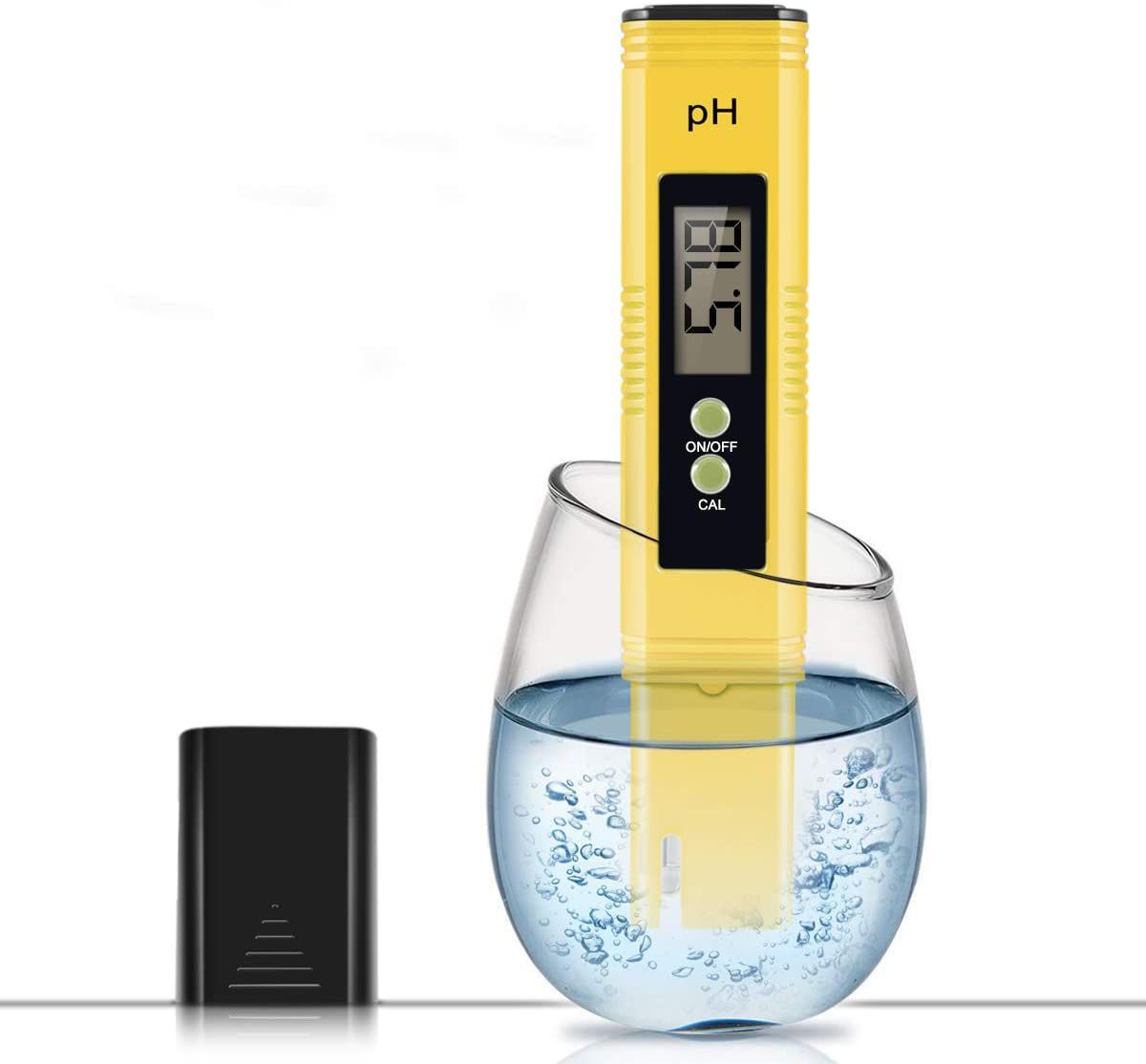
pH meters are available on the market at many different prices. You just need to put the pen's probe in water, after a short time, the pH value will display on the pen's LCD screen. This is a popular method thanks to its convenience and speed. However, to get accurate results, you need to choose a quality pen and follow the instructions for use.