Welding slag is a nonmetallic layer created by consumables or flux during welding; it can protect the weld pool but requires removal before a subsequent pass. Weld penetration describes how fully deposited metal joins the base metal, while porosity is trapped gas that creates voids in the weld.
These conditions should be assessed together during weld quality control because retained slag, insufficient penetration, and porosity can each reduce the quality of a welded joint.
Summary: Slag is normal in some welding processes when it is cleaned correctly. Proper penetration requires sound fusion with the base metal. Porosity reduces the load-bearing cross-section. Clean preparation and stable welding conditions help limit defects.
What is welding slag, and when does it become a defect?
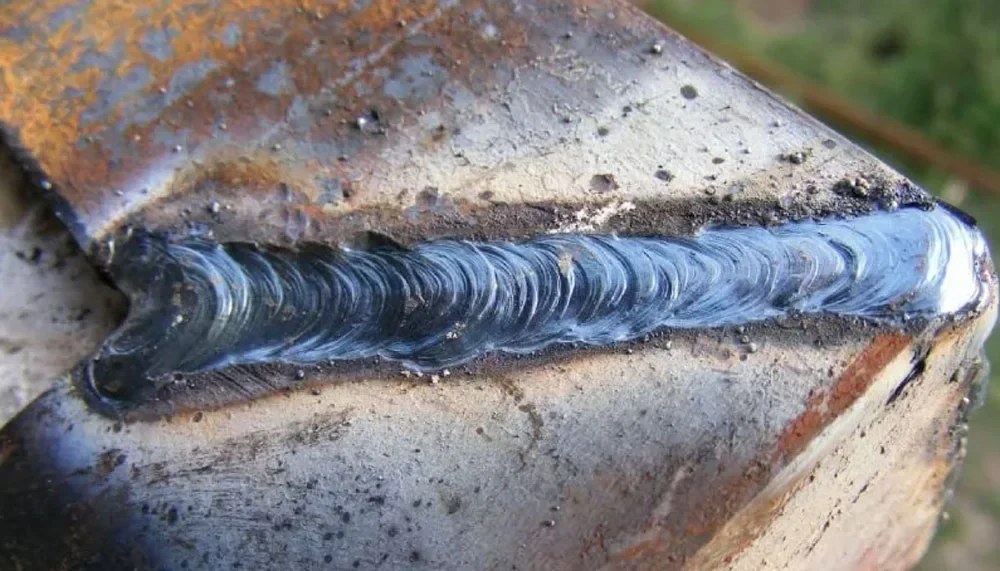
Welding slag is a solidified nonmetallic material that commonly forms from electrode coatings, welding flux, or fluxing agents exposed to arc heat. It may remain on the surface of the weld bead or between weld layers after cooling.
In processes such as shielded metal arc welding and submerged arc welding, slag is not inherently a defect. It can shield the weld pool from oxygen and nitrogen, help stabilize the arc, support bead shape, and collect impurities.
Slag becomes harmful when it is not fully removed and is trapped in a later weld pass. This slag inclusion can interfere with contact between deposited metal and the base metal, reducing bond quality and potentially contributing to incomplete penetration.
How should slag be removed between weld passes?
After the weld cools, slag can be removed with a chipping hammer and wire brush using controlled, even strokes along the weld. In multilayer welding, the prior layer should be cleaned before the next layer is applied.
Safety glasses and gloves are appropriate when removing slag, as chipping can dislodge material from the weld surface.
What does weld penetration mean?
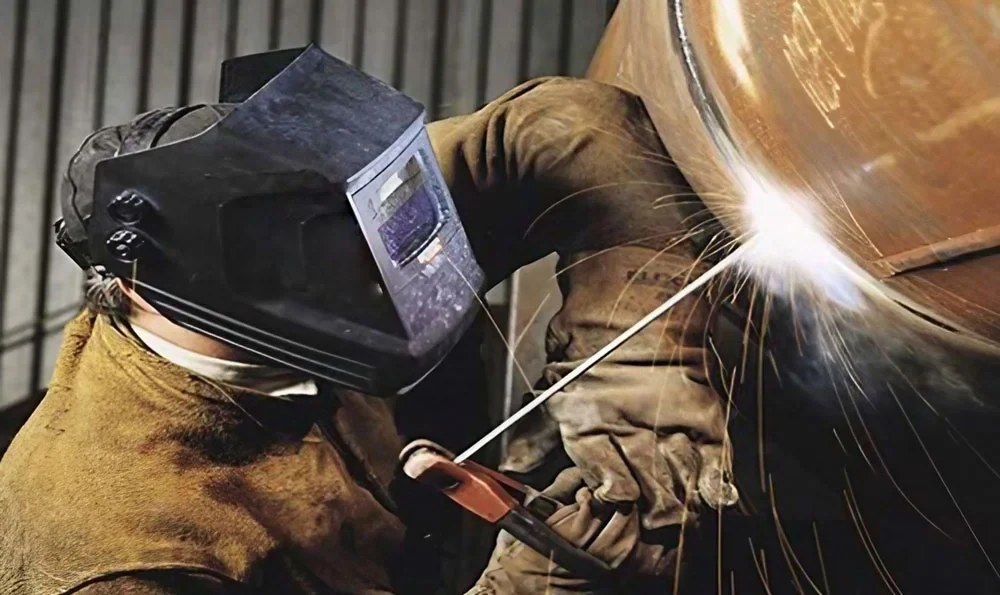
Weld penetration is the condition in which molten weld metal joins fully with the base metal to the required depth for the joint. A weld with adequate penetration has a continuous bond rather than gaps or unjoined areas between the weld metal and the material being joined.
Penetration is influenced by welding current, travel speed, edge preparation, and welder technique. Current that is too low may leave insufficient penetration, while excessive current may cause edge burn-through. Welding too quickly can also prevent the metal from penetrating adequately.
How does adequate penetration differ from insufficient penetration?
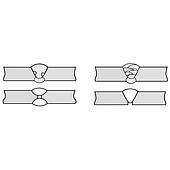
A weld with adequate penetration has complete metal bonding for the required joint depth. Insufficient penetration is a serious weld defect because the connection is incomplete and may be more susceptible to cracking or separation.
| Assessment point | Adequate penetration | Insufficient penetration |
|---|---|---|
| Metal bonding | Complete joining | Incomplete joining |
| Load-bearing capability | Higher | Lower |
| Defect risk | Lower | Greater risk of cracking or separation |
| Joint integrity | Sounder connection | Weaker connection |
What is weld porosity, and what causes it?
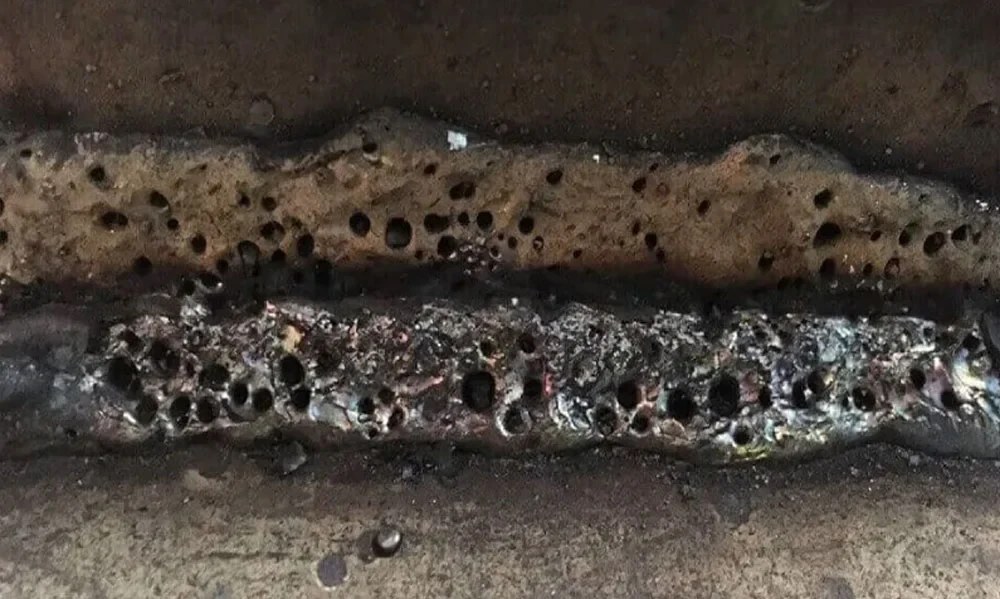
Weld porosity occurs when gas is trapped in molten weld metal and cannot escape before solidification. The trapped gas forms voids on the surface or within the weld, which can reduce its effective load-bearing area.
Possible causes include damp or contaminated welding consumables, oil, rust, paint, or moisture on the workpiece, and inadequate or contaminated shielding gas. An overly long arc and an excessively fast travel speed can also keep gas from escaping in time.
Porosity can occur in processes such as stick welding machine, MIG/MAG welding machine, and other methods that utilize shielding gas, particularly when welding conditions are suboptimal. This defect reduces the load-bearing cross-section, increases the risk of stress concentration, and can compromise the leak-tight integrity of structures designed to contain pressure or fluids.
Why does weld porosity matter for joint quality?
Porosity can lower the joint's load-bearing capability and create locations where stress concentrates, increasing the risk of cracking. It can also reduce leak tightness in structures that contain pressure or liquids and affect weld appearance.
Porosity may occur as scattered voids or concentrated areas. When it exists below the surface, it may not be apparent through visual inspection alone.
How can slag inclusion, poor penetration, and porosity be controlled?
Control begins before welding: prepare joint edges appropriately for the workpiece thickness and remove oil, rust, paint, moisture, and other contaminants from the surface. Dry welding electrodes and consumables before use when moisture is a concern.
During welding, keep current, travel speed, electrode angle, and arc length stable and suitable for the joint. Where shielding gas is used, maintain appropriate gas quality and flow, and avoid drafts that disturb gas protection.
After every pass, inspect the weld profile and clean away slag before applying the next layer. Checking each layer allows unusual conditions to be identified and corrected before they affect the completed joint.
Note: Slag removal, penetration requirements, and porosity prevention depend on the welding process, joint preparation, consumables, and operating conditions.