What Is a Terminal Block?
A terminal block, also known as an electrical domino, is a small yet extremely useful device in electrical systems. Its main function is to securely and safely connect electrical wires. You can easily find this component in residential and industrial electrical projects, control systems, and even in automobiles.
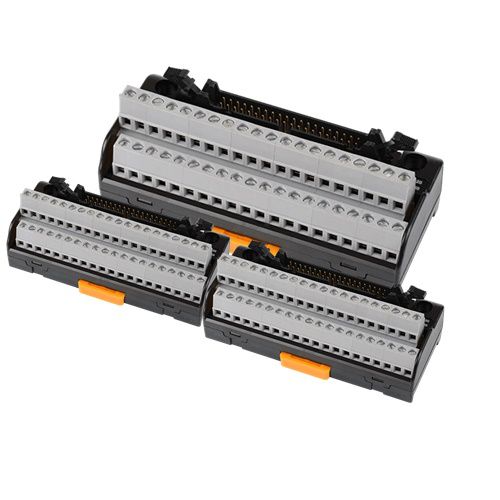
Terminal blocks are typically rectangular or H-shaped, featuring slots or holes where electrical wires are inserted. The wires are then secured using screws or push buttons, ensuring a firm connection that doesn’t loosen over time.
This device helps keep wiring neat and organized, making it easier to inspect, replace, or maintain when needed. That’s why terminal blocks are widely used in various electrical applications.
They are commonly made from heat-resistant plastic or metal. Depending on the application, some types may include additional features such as flame resistance, insulation, or water resistance to suit the installation environment.
Types of Terminal Blocks Today
There are quite a few types of terminal blocks used in different electrical systems. Here are the most common ones:
1. Screw terminal block
This is the most widely used type of terminal block. It includes small slots or holes for inserting wires, which are then fastened tightly using screws. These blocks are usually made of plastic or metal and come in various shapes and configurations to suit different uses.
2. Quick connect terminal block
This type allows for fast and easy wire connections without the need for screws or tools. You simply push or plug the wire into the correct slot – ideal for situations where quick setup is essential.
3. Spring terminal block
This block works with a spring mechanism. When the wire is inserted, the spring automatically clamps down to hold the wire in place. It is quick to install, easy to remove, and still maintains a strong, safe connection.
4. Printed Circuit Board terminal block
Specifically designed to be mounted directly onto printed circuit boards, these blocks have pins or terminals that plug into holes on the board, enabling reliable connections between wires and electronic components.
5. Specialized terminal block
Besides standard types, there are also specialized terminal blocks made for unique environments or specific requirements such as noise filtering, high-temperature resistance, fireproofing, or short-circuit protection. Depending on your needs, you can choose a suitable type to ensure safety and durability.
Applications of Terminal Blocks
Industrial Electrical Systems: Commonly seen in switchboards, junction boxes, control cabinets, and other electrical installations for neat, organized wiring that is easy to check and maintain.
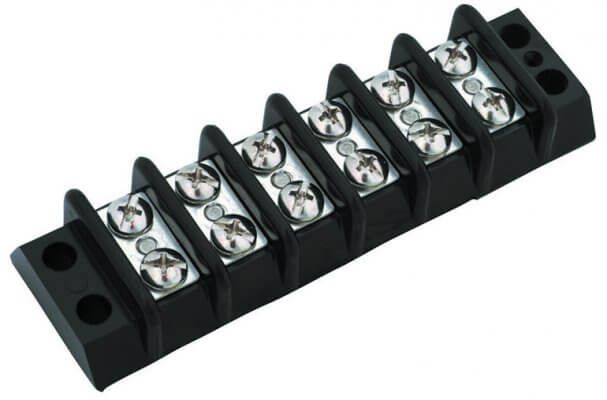
Residential and Commercial Electrical Systems: Widely used in homes, offices, and commercial centers for wiring devices such as switches, outlets, lights, fans, and more.
Automotive Industry: Employed in automotive electrical systems to connect circuits for lights, dashboards, ignition systems, and various onboard electronics.
Information Technology: Some data centers and network setups use terminal blocks to organize wiring in control panels, networking devices, or power units.
Renewable Energy: In solar or wind power systems, terminal blocks help connect wires between panels, controllers, inverters, and other system components.
Construction Projects: Installed in electrical systems for lighting, air conditioning, elevators, and various other electrical components in buildings large and small.
Now that you have learned what terminal blocks are and the common types available on the market with EMIN, do not wait any longer – visit EMIN today for expert advice and hands-on product experience.