Alcohol concentration in wine
The alcohol concentration in wine is a prerequisite for determining the taste, feeling when enjoying and value of each type of wine on the market. This is an index showing the ethanol content in 100ml of solution under standard conditions (20°C), measured in % ABV (Alcohol by Volume).
Accurate determination of alcohol level cannot be based on senses but requires the use of specialized equipment. The alcohol concentration meter allows quick testing, helping to ensure wine quality, optimize the mixing process and control the product before it goes to market. For businesses, this measurement is an important step to determine the strength of the wine, thereby adjusting it to suit customer needs.
What is the alcohol content in wines?
Alcohol content of white wine
How much alcohol does white wine have? This is a common question for those who produce or use traditional wine. To determine this index, it is necessary to consider the distillation process, classify alcohol after cooking and use specialized measuring equipment to ensure accuracy.
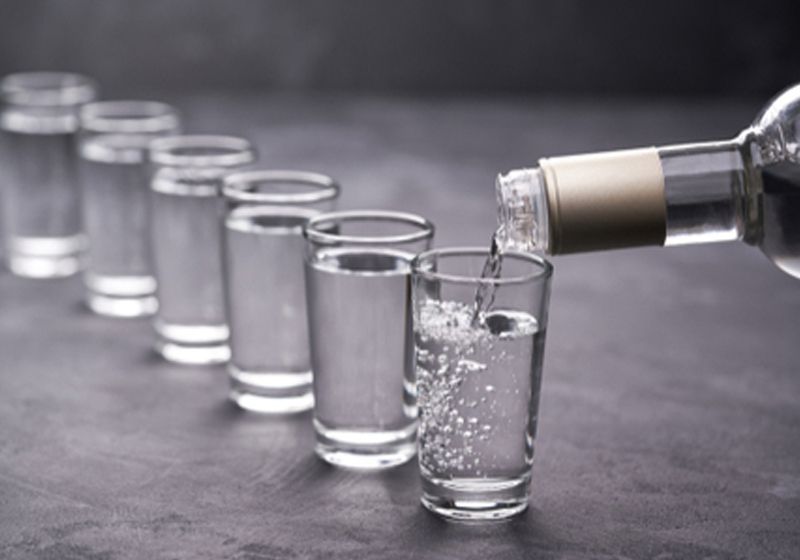
White wine is made from ordinary rice, undergoes fermentation and distillation to create base wine and top wine. Normally, if you cook 12kg of rice, you will get about 6 liters of base wine with a concentration of 65 degrees and 10 liters of top wine with a concentration of 25 degrees. However, before being released to the market, finished wine needs to be mixed to reach the appropriate level, usually ranging from 30 - 40 degrees, ensuring flavor and easier drinking.
In addition to direct use, white wine is also popular for soaking medicinal herbs or fruits such as apples and grapes to increase flavor and value. However, if the alcohol concentration is too high, the alcohol can lose some important active ingredients when soaked. On the contrary, if the concentration is too low, the soaking process will not achieve the desired effect. Therefore, controlling alcohol level is a key factor to ensure the quality of wine when used.
Alcohol index in sticky rice wine
Sticky rice wine has a higher alcohol concentration than white wine, this comes from the unique ingredients and fermentation process. According to people with many years of experience in the profession, sticky rice wine usually reaches 35 - 45 degrees, depending on the fermentation method and distillation method. Compared to white wine, sticky rice wine has a more characteristic aroma and light consistency due to the amount of starch fermented from sticky rice.
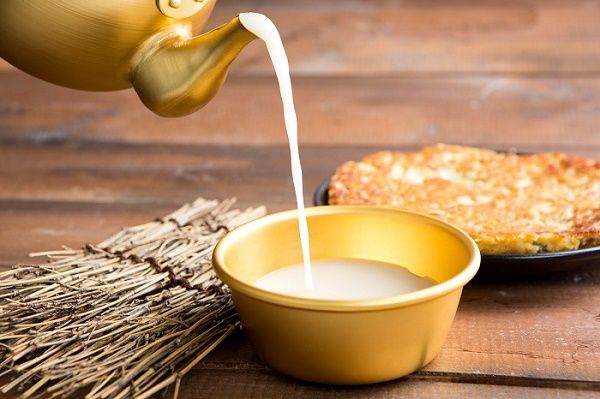
With its rich flavor and mellow feeling when drinking, sticky rice wine is often popular on important occasions such as weddings and holidays. Some people also choose to ground the wine so that the wine gradually "ripens" over time, helping to balance the harsh taste of alcohol and providing a more complete enjoyment experience.
Alcohol concentration in wine
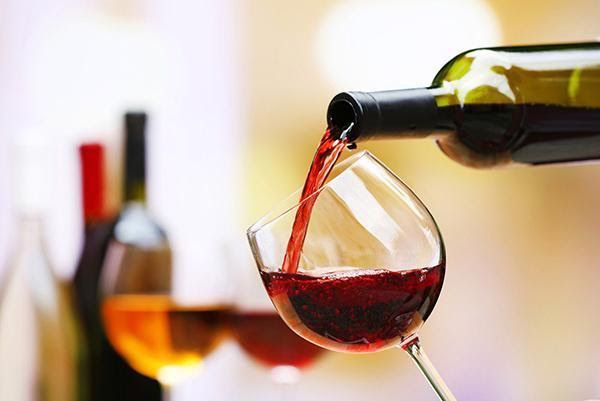
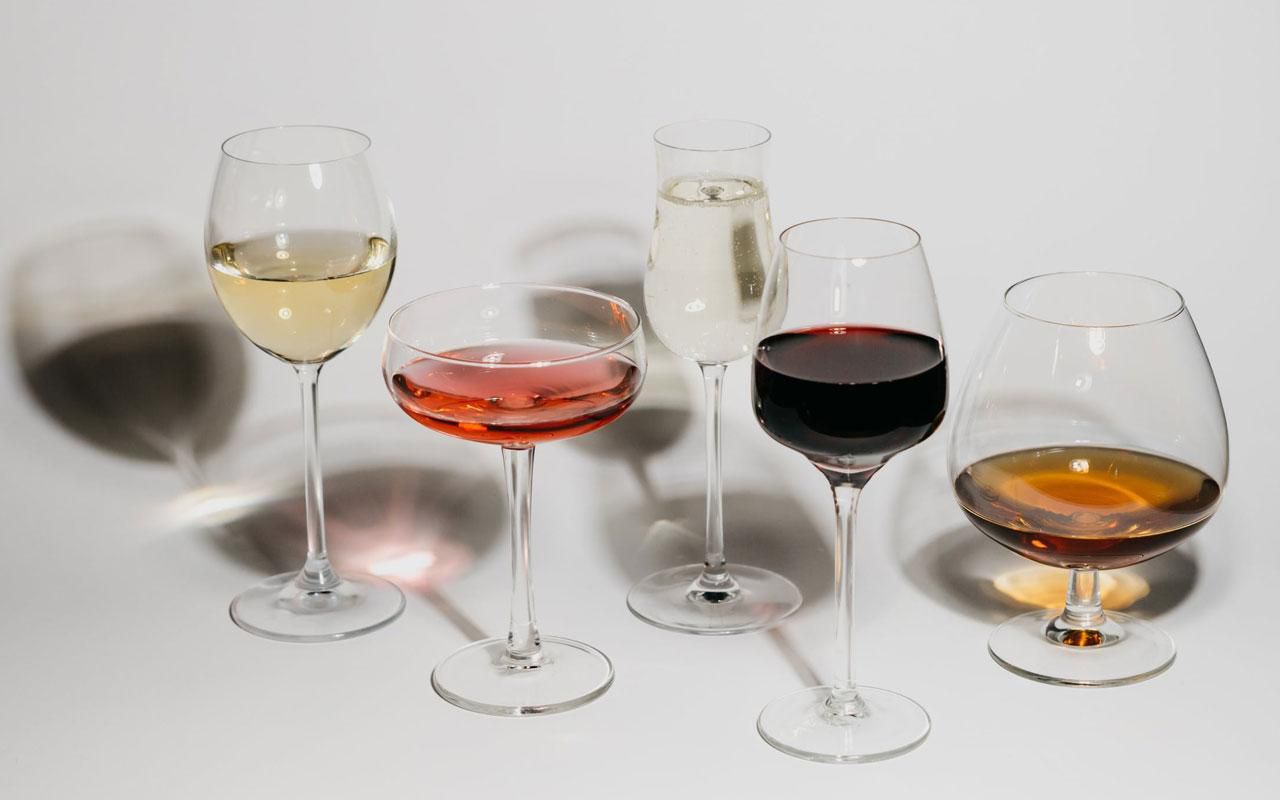
Wine is one of the most consumed types of alcohol in the world, but not everyone knows the exact alcohol content of each type. According to research, the alcohol concentration in wine ranges from 5.5% to 23% ABV, depending on the production process and fermentation time. Some light wines have low alcohol content below 10%, suitable for those who want to enjoy it without worrying about getting drunk quickly. On the contrary, strong wines can reach 16 - 23% ABV, creating a richer and deeper feeling when drinking.
In addition to wine, many foreign wines have much higher alcohol concentrations, suitable for those who love strong flavors:
- Whiskey: With an alcohol content of about 40%, whiskey is considered one of the most popular spirits, has a rich flavor and is often aged in oak barrels to increase depth.
- Tequila: Known for its unique, strong flavor, Tequila has a concentration ranging from 38 - 40%, and some high-end lines can even reach 43 - 46%.
- Gin: Combining herbs and fermented grains, Gin brings a fresh flavor with an alcohol content of 43 - 47%, often used in cocktails.
- Vodka: Distilled from potatoes and grains, Vodka can reach an alcohol concentration of up to 55%, suitable for those who want to experience strong feelings.
- Base wine: A traditional Vietnamese wine, alcohol content ranges from 30 - 45% depending on the cooking ingredients. Sticky rice wine has a lighter alcohol content than sticky rice wine, bringing a different flavor when enjoying.
Choosing the right type of wine is often a matter of personal preference, but also about the ability to feel the flavor and desired alcohol level, but it also needs to be safe. For beginners, wine with a medium alcohol content is an accessible choice, while those who love a strong experience can look for strong spirits like whiskey or vodka.
Above are my shares about the alcohol content in different types of wine. Controlling alcohol concentration not only helps evaluate wine quality but also directly affects the taste and enjoyment experience. Refer to alcohol concentration meter lines at emin.vn