Fine Dust Pollution Status in Major Cities
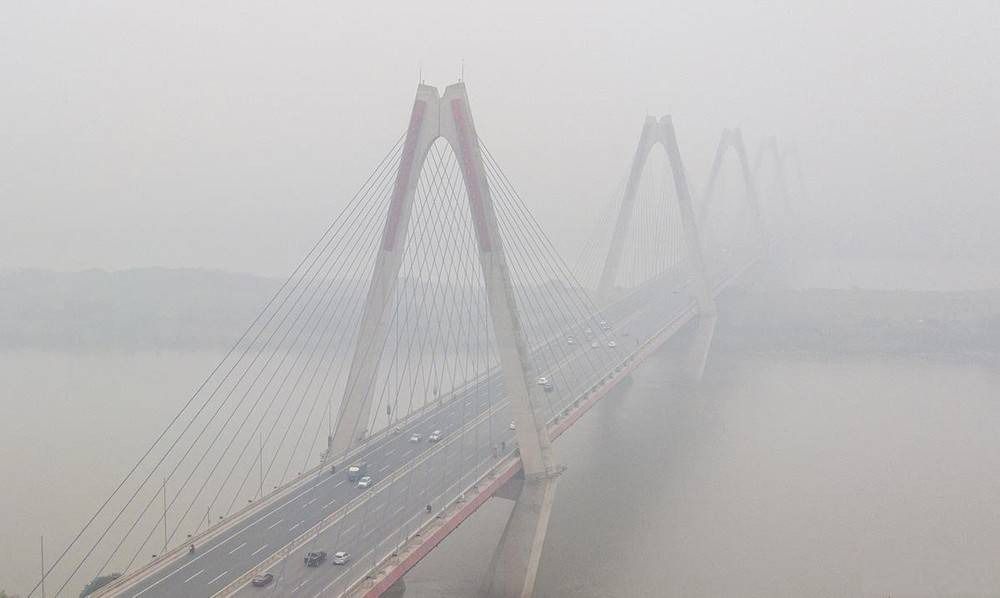
Hanoi is leading the list of the world's most polluted cities by fine dust (PM2.5), with indices often exceeding 100 - 200g/m3 during the dry season. According to recent data, Vietnam's capital ranks globally No. 1 for the highest dust concentration, surpassing urban areas in India or China.
Other major cities like Ho Chi Minh City, Beijing, and Delhi face similar issues. Fine dust from traffic, construction, and industry infiltrates the lungs, causing asthma and cardiovascular diseases. Do you think your indoor air is safe? In reality, indoor dust can be double the outdoor concentration due to cooking and smoking.
In Hanoi, the dry season forecast for 2025–2026 indicates a surge in pollution, with the current 61 monitoring stations deemed insufficient. The method for measuring dust concentration on-site becomes an urgent necessity for every household. This has driven residents to seek personalized solutions.
Effective Methods for Measuring Dust Concentration in Living Spaces
The most common method for measuring dust concentration is laser light scattering, where dust particles deflect a laser beam to calculate real-time PM2.5/PM10 levels. This technique is fast, taking only a few seconds, making it suitable for daily home checks. Unlike traditional gravimetric methods which require lab analysis, light scattering provides instantaneous data.
Another option is the Piezo sensor, which measures the change in crystal frequency as dust adheres to it. This method for measuring dust concentration is highly accurate, often used in professional monitors adhering to EPA standards. However, for residential use, laser scattering is more convenient due to its affordability and portability. The Temtop S1+ Air Quality Monitor utilizes a high-grade laser sensor combined with a powerful fan. This device measures PM2.5 from $0-999g/m3, AQI, temperature, and humidity in just one minute. With Bluetooth, you can view data remotely on an app, and a 3-color LED (green-yellow-red) clearly signals the status.
Additionally, the Beta Attenuation Method (BAM) uses beta rays to measure dust mass, an EPA standard for outdoor monitoring.

Related topic:
Quick answers about fine dust index pm 1.0 and pm 2.5 in polluted air
The Core Difference Between PM10, PM2.5, PM1.0 and Ultrafine Particulates (UFP)
How to Protect Yourself and Your Family Against Pollution
Firstly, apply a daily method for measuring dust concentration to grasp the situation. With the Temtop S1+, you receive an app alert when PM2.5 exceeds 50g/m3 - the WHO safety threshold. This helps you decide when to open windows or turn on the air purifier promptly.
Next, wear an N95 mask when going outside, especially during peak seasons in Hanoi. Indoors, clean wet surfaces instead of sweeping dry to avoid dust resuspension.
Grow indoor plants like snake plants or English ivy for natural dust filtration. Maintain humidity at 40 - 60% based on the device's data to limit dust settlement.
Limit frying and searing when cooking, and use a strong range hood. For children and the elderly, prioritize a private room with a monitor. The Temtop S1+ Bluetooth allows multi - room monitoring via the app, sending daily reports for convenience.
Finally, check your HVAC system regularly, as accumulated dust can spread pollution. A personalized method for measuring dust concentration like the Temtop S1+ turns you into your "home's air quality expert." The result? A healthier family every day.
An effective method for measuring dust concentration like laser scattering on the Temtop S1+ helps you control your living space amidst the pollution in Hanoi.