Prepare all tools before washing the car
1. Family car wash machine
Most car washers today come with basic accessories, enough for you to use right after purchase. However, with some models, you may need to buy additional water supply lines, soap sprayers or brushes if you want to wash your car more conveniently.
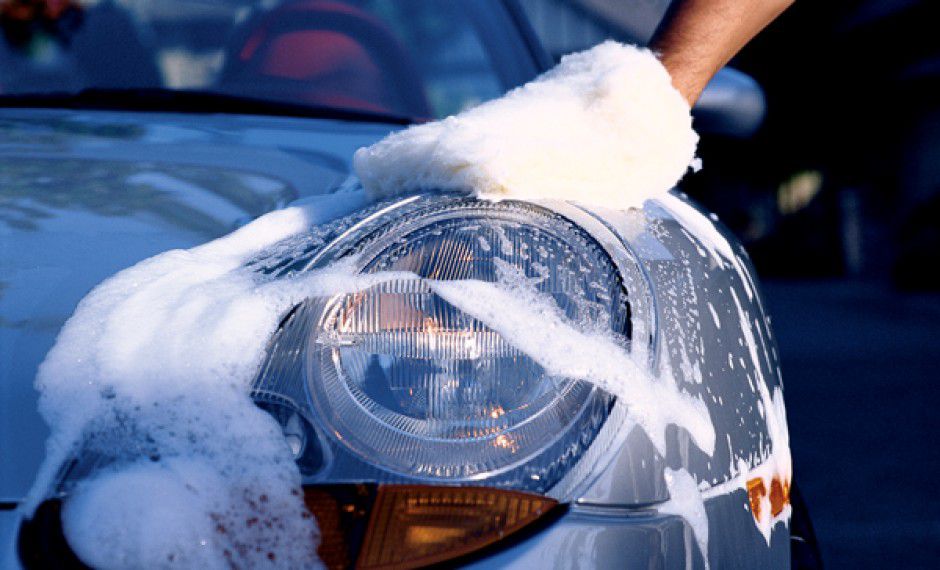
If you do not use a car washer, you can still clean your car in the traditional way with tools such as:
- Water bucket.
- Cleaning cloth and brush.
- Water nozzle.
Preparing all the tools before washing your car will make the cleaning process simpler and faster.
2. Cleaning chemicals
For cars, you need to prepare the following cleaning chemicals:
- Car wash solution.
- Engine compartment cleaning solution.
- Tire foam spray.
For motorcycles, a specialized motorcycle wash solution is sufficient. However, if you want to take better care of your vehicle, you can also invest in a separate engine compartment cleaning solution.
If your household frequently washes both motorcycles and cars, it is advisable to prepare suitable cleaning solutions for each part of the vehicles.
It is important to choose genuine cleaning chemicals from reputable brands such as Sonax, 3M, Pallas, Sumo, and others. Always mix the solution according to the manufacturer’s recommended ratio. Avoid mixing it too concentrated or too diluted to prevent damaging the paint or causing tire wear.
Important notes before washing your car
Avoid washing the vehicle immediately after driving, especially when it has been running under the hot sun. At this time, the car's paint is exposed to high temperatures, and contact with water and chemicals can cause the paint to fade or even peel after repeated washes.
Wash the vehicle in a well-ventilated, shaded area to minimize direct heat exposure. Avoid washing under intense sunlight to protect the car’s surface.
Regular vehicle cleaning is essential but should not be overdone. The washing frequency should be flexible, depending on weather conditions, the environment, and usage. For frequently used vehicles, washing once a week is recommended. For less-used vehicles, washing 1–2 times a month is sufficient.
Choose genuine cleaning solutions to ensure effective cleaning and safety for the vehicle.
Adjust the spray pressure according to each part of the vehicle. Use moderate pressure for the paint and engine compartment, and higher pressure for the undercarriage or wheels to effectively remove stubborn dirt.
Instructions on how to wash your car at home
Preparing all the tools before washing your car will make the cleaning process simpler and faster.
1. Family car wash machine
Most of the current car washing machines are equipped with basic accessories, enough for you to use immediately upon purchase. However, with some models, you may need to buy additional water supply lines, soap sprayers or brushes if you want to wash your car more conveniently.
If you do not use a car washing machine, you can still clean your car in the traditional way with tools such as:
Water bucket.
Towel and brush.
Water nozzle.
2. Specialized cleaning chemicals
For cars, you need to prepare cleaning chemicals such as: Car wash solution. Engine compartment cleaning solution. Tire cleaning foam spray.
For motorbikes, just one specialized car wash solution is enough. If you want to take better care of your car, you can invest in a separate engine compartment cleaning solution. If your family regularly washes both motorbikes and cars, you should prepare a full range of suitable solutions for each location on the car.
Note that you should choose to buy genuine cleaning chemicals from reputable brands such as Sonax, 3M, Pallas, Sumo, ... and mix according to the manufacturer's recommended ratio. Absolutely do not mix too thick or too thin, to avoid affecting the paint or causing tire wear.
3. Important notes before washing your car
Avoid washing the vehicle immediately after driving, especially when it has been running under hot sunlight. At this time, the car’s paint is exposed to high temperatures, and contact with water and chemicals can cause fading or even peeling after repeated washes.
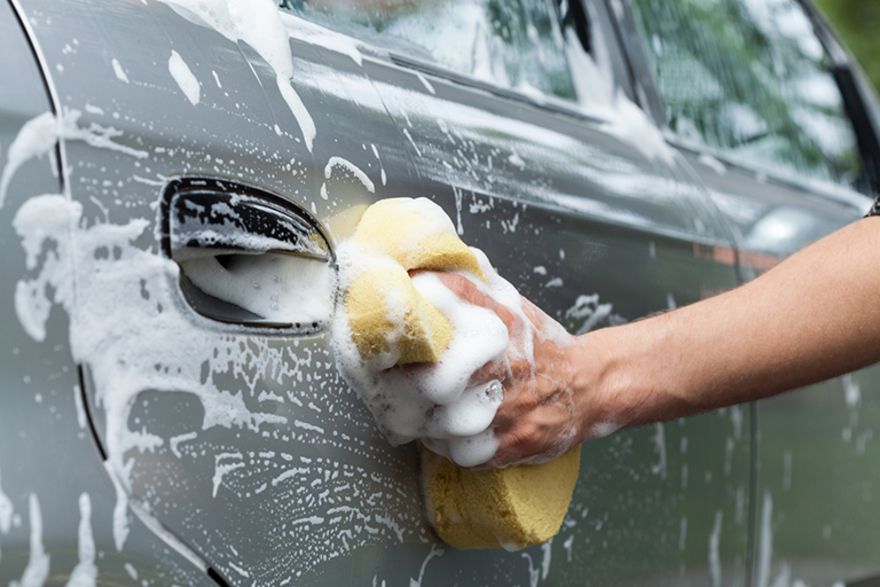
Wash the vehicle in a well-ventilated, shaded area to minimize the direct impact of heat on the car. Avoid washing under intense sunlight.
Regular cleaning is essential but should not be excessive. The washing frequency should be flexible, depending on weather conditions, the environment, and how often the vehicle is used. For frequently driven vehicles, washing once a week is recommended. For less-used vehicles, washing 1–2 times a month is sufficient.
Choose genuine cleaning solutions to ensure effective and safe cleaning for the vehicle.
Adjust the spray pressure according to each part of the car. Use moderate pressure for the paint and engine compartment, while stronger pressure can be applied to the undercarriage and wheels to remove stubborn dirt.
Only use specialized cleaning solutions mixed at the correct ratio. Avoid using chemicals with overly strong concentrations. Do not spray directly onto the exhaust or under the engine, and avoid using one type of solution for all parts. Each solution comes with specific usage recommendations that should be followed to keep the vehicle clean and durable.
Prepare all necessary accessories for the car wash machine to ensure a smooth and efficient cleaning process. The ideal washing time is between 15 to 20 minutes, which is sufficient for thorough cleaning without affecting the paint or other vehicle components.
4. Notes on Mixing Cleaning Solutions
Always mix specialized cleaning solutions according to the recommended ratios to ensure effective cleaning without harming the vehicle. Use a soft cloth for wiping or equip yourself with a specialized chemical spray bottle for quicker and more convenient application.
For genuine car wash machines with integrated foam spray nozzles, the chemicals are dispensed with moderate water pressure, ensuring effective cleaning without scratching or damaging the paint surface.
5. Cleaning
Clean the entire vehicle using a soft cloth or a specialized brush. These brushes often come with genuine car wash machines and are designed with fine, soft bristles to effectively clean without scratching the paint surface.
6. Rinsing
After applying the chemicals, use clean water to rinse off all the soap and residual dirt. Adjust the nozzle to a fan spray mode to ensure even water coverage, effectively washing away dirt without applying excessive pressure to the car's surface.
7. Drying
Finally, dry the vehicle with a clean, soft towel. Don’t forget to remove any tape that was used to cover electrical components to ensure safety.
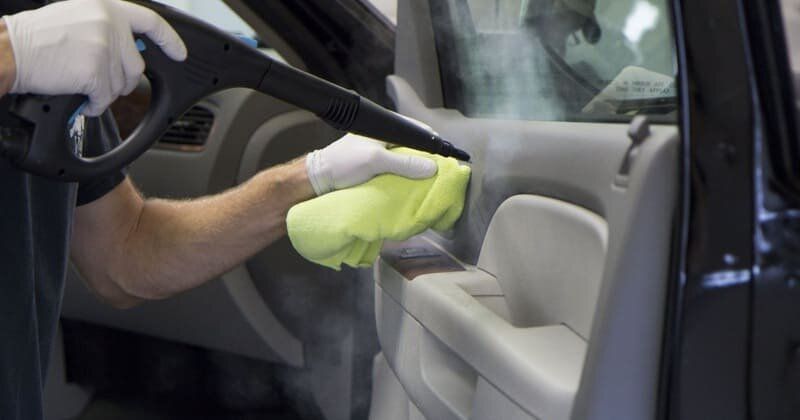
Following these steps correctly will help protect the car’s paint, keeping it shiny and reducing the risk of peeling or fading, even when washing the vehicle after long periods of non-use.
Lutian LT210 family car wash machine
Lutian is a famous brand with industrial car washing machines serving large car wash shops. Although only producing a few models for families, each product inherits modern technology from high-end lines, bringing outstanding durability and optimal performance.
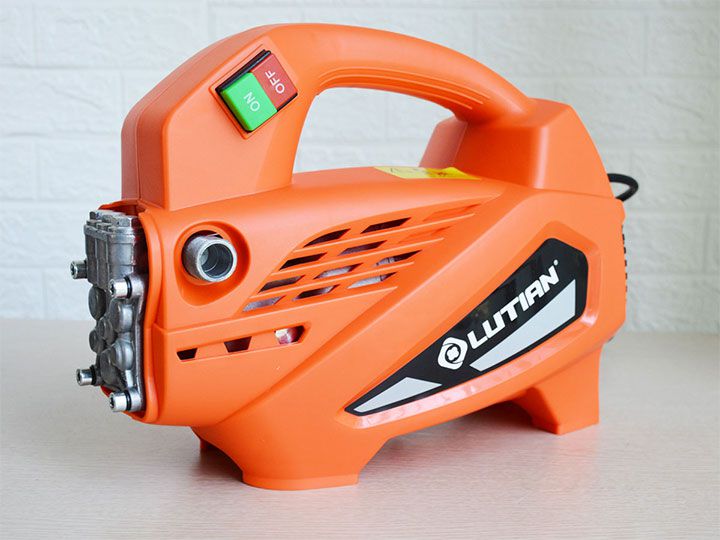
In particular, the Lutian LT210G model stands out with a powerful capacity of 1,600W, spray pressure from 90 - 130 bar, easily handling stubborn stains such as mud or grease in a short time.
The machine is equipped with a durable magnetic motor, strong self-suction ability and a spray hose up to 8m long, giving you more flexibility during use.