This situation is not uncommon in manufacturing plants, wastewater treatment facilities, chemical storage areas, and confined spaces. If the root cause is not identified correctly, companies may spend unnecessary time investigating the site, interrupt operations, or replace equipment that is still functioning properly.
How Does a Multi-Gas Detector Work ?
Multi-gas detector is equipped with multiple sensors that simultaneously monitor gases such as oxygen (O₂), combustible gases (LEL), carbon monoxide (CO), hydrogen sulfide (H₂S), and other hazardous gases.
When a gas concentration exceeds a preset alarm threshold, the device activates audible, visual, and vibration alarms. In addition to gas detection, many models also monitor sensor status, battery condition, and internal system faults.
As a result, an alarm may indicate the presence of gas, but it can also be triggered by a technical issue within the instrument.
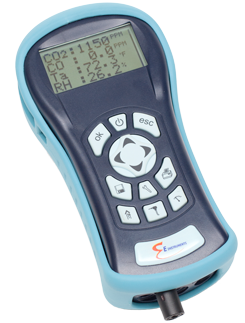
Common Causes of False Alarms
Sensor Zero Drift
Over time, gas sensors may experience zero drift. When this occurs, the detector begins displaying gas readings even when operating in clean air.
The error often develops gradually, making it difficult to notice at first. Users typically become aware of the issue when the detector consistently shows a few ppm of CO or H₂S despite being placed in a well-ventilated area.
If the drift exceeds the low alarm threshold, the detector may trigger an alarm even though no gas is actually present.
Overdue Calibration
Calibration is an essential maintenance requirement for all industrial gas detectors.
When calibration intervals are missed, measurement readings may no longer accurately represent actual gas concentrations in the environment. A sensor that has drifted out of calibration may appear to function normally during startup but generate unexpected alarms during operation.
Cross-Sensitivity to Solvents and Chemicals
Leakage detector do not always respond exclusively to their target gases.
In painting areas, equipment cleaning operations, or maintenance activities, organic solvent vapors can affect combustible gas sensors or electrochemical sensors. The detector may interpret these signals as hazardous gases and activate an alarm.
Aging Sensors
Every gas sensor has a finite service life. As a sensor approaches the end of its lifespan, erratic alarm behavior becomes more common. In such cases, replacing the sensor is often more effective than recalibrating it.
After years of operation in dusty environments, high humidity, or areas with frequent chemical exposure, sensor characteristics gradually change. Some sensors become less sensitive, while others become overly responsive to minor environmental fluctuations.
Sudden Changes in Temperature and Humidity
Environmental conditions have a direct impact on sensor performance.
When a detector is moved from an air-conditioned room into a hot outdoor environment, or from a dry area into a highly humid location, sensor readings may fluctuate temporarily.
This phenomenon is commonly observed in food processing facilities, wastewater treatment plants, utility tunnels, and outdoor industrial environments.
Dirt and Contamination on the Sensor Inlet
After prolonged use, industrial dust, oil residue, or chemical vapors may accumulate on the sensor inlet and gas filter.
This buildup restricts airflow into the sensing chamber, causing slower or less stable sensor responses. As a result, readings may fluctuate unexpectedly and trigger nuisance alarms.
Routine cleaning is often an effective way to address this issue.
Low Battery Voltage or System Faults
When battery voltage drops below a critical level or the self-diagnostic system detects an internal fault, the detector may activate audible and visual alarms.
If users do not check the error code displayed on the screen, these warnings can easily be mistaken for gas alarms.
How to Distinguish a False Alarm from a Real Gas Leak
When an alarm occurs, the first step is to move the detector to a known safe area or compare the readings with a second gas detector.
If the gas readings gradually decrease and return to normal levels, the area should be investigated further to identify a potential gas source.
On the other hand, if the detector continues to alarm in clean air, the issue is more likely related to the sensor, calibration status, or the instrument's internal electronics.
Verifying the detector with calibration gas or performing a bump test can help identify the cause more quickly.
How to Reduce False Alarms
To minimize inaccurate alarms, companies should establish a clear gas detector maintenance and management program.
Calibration schedules should be strictly followed according to the manufacturer's recommendations. Bump tests should be performed before the detector is placed into service. Sensors should be replaced when they reach the end of their service life, and sensor inlets should be cleaned regularly.
Morover, storing the instrument in a clean, dry environment away from chemical vapors and excessive heat can significantly reduce the risk of measurement errors.
Before concluding that a gas leak has occurred, users should review the detector's condition, maintenance history, and recent calibration records. Regular inspection, calibration, and timely sensor replacement help ensure reliable gas monitoring performance, reduce false alarms, and maintain workplace safety.