
2026年10月02日 09時52分21秒
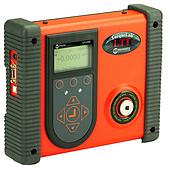
Precision torque control supports assembly quality by matching torque requirements to the joint, verifying tools regularly, and maintaining consistent work practices.
Precision torque control supports assembly quality by matching torque requirements to the joint, verifying tools regularly, and maintaining consistent work practices.
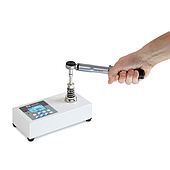
Effective bolted-joint tightening depends on calibrated torque control, torque values informed by joint testing, and a tightening sequence that distributes preload evenly. Washer fit, flange fasteners, gasket relaxation, and embedding also affect preload retention.
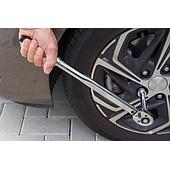
Automotive torque calibration tools help shops check torque-wrench performance where work is done. On-demand testing can support wheel-service process control, reduce reliance on periodic checks, and reinforce correct torque practices.
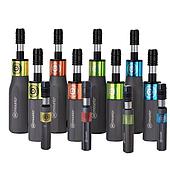
Preset torque screwdrivers support fixed, tamper-resistant settings, while adjustable models provide an external scale for changing torque requirements.

直接联系认证专家