The effects of yellow and white light on eyesight
Most people debate whether to use yellow or white light, but the answer depends on the timing and the body's state.
Yellow light is often preferred because of its low glare, which helps the body release melatonin more easily, providing a pleasant feeling. However, if yellow light is used for too long when high concentration is required, the eyes tend to want to rest, leading to drowsiness and reduced performance. Conversely, bluish-white light stimulates the brain to become alert quickly, but the disadvantage is that it can tire retinal cells if exposed directly at high intensity.
The most practical solution is neutral light. This type of light most closely mimics daylight, keeping the eyes in a balanced state—not so relaxed that it causes drowsiness, and not so harsh that it leads to fatigue.

Advantages of natural light for labor productivity
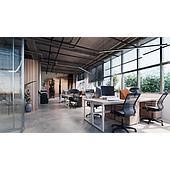
Light from windows or vents not only illuminates the room but also helps regulate circadian rhythms. Office workers who sit near natural light tend to sleep better at night and be more energetic the next morning.
Make the most of sunlight by placing your study or work desk near a window instead of keeping the curtains closed and the lights on all day. However, pay attention to the direction of the sun; if sunlight shines directly on your phone or computer screen, it will cause glare, forcing your eyes to strain to see the data, which is a leading cause of headaches and eye strain.
Methods for organizing a workspace scientifically
Sometimes eye strain isn't caused by the type of lamp, but by the way the light sources are arranged. The most common mistake is turning off all the room lights and only having a single desk lamp shining directly onto the paper or keyboard. This forces the eyes to constantly adjust between the bright light and the surrounding darkness, harming eyesight.
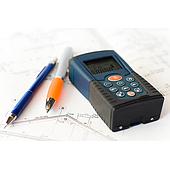
For prolonged work, always use a soft background light to create a uniform lighting effect in the room. If you are right-handed, position the lamp to shine from the left and slightly above eye level. This eliminates the shadow cast by your hand on the paper, making it easier and more logical to see details. EMIN currently offers high-quality, affordable light intensity meters that can help you set up a professional-grade workspace right at home.
Related articles: What is the nature of visible light?
Answering frequently asked questions about light and eye health
Many students spread the word that yellow light darkens the skin or that blue light from phones can be neutralized by wearing glasses. In reality, the yellow light from desk lamps doesn't have enough energy to cause skin pigmentation changes like the sun's UV rays.

For blue light, protective glasses are only part of the solution; the most important factor is the duration of exposure. Every 20 minutes of work, look into the distance (about 6 meters) for 20 seconds. This is the simplest exercise to rest the eye muscles, and it's more effective than any expensive protective equipment.
Ultimately, good lighting is the kind that suits your daily routine. Knowing how to combine natural daylight with stable LED lighting at night will help users maintain work efficiency and protect their eyes for long-term projects.