
11/06/2026 14:39:44
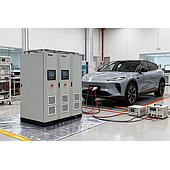
Bidirectional DC power supplies support two-way energy flow. Their main uses include EV and component testing, renewable energy storage, microgrids, and R&D validation of power equipment.
Bidirectional DC power supplies support two-way energy flow. Their main uses include EV and component testing, renewable energy storage, microgrids, and R&D validation of power equipment.
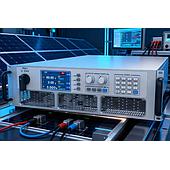
Bidirectional DC power supplies can source and absorb energy, helping PV and energy-storage teams simulate changing operating conditions in a controllable laboratory setup.
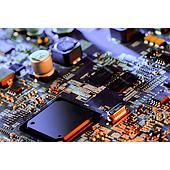
DC power supplies support solar-storage designs by managing DC conversion and enabling direct photovoltaic, storage, and load coupling where the architecture permits.
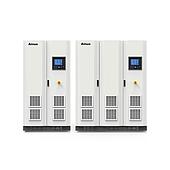
ANBGS is a regenerative grid simulator AC power supply designed for photovoltaic inverter testing. Supplied product data describes voltage, frequency, harmonic, imbalance, protection, energy-feedback, and automated testing capabilities.
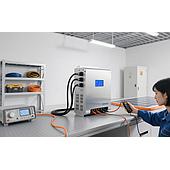
PV inverter testing generally requires a programmable DC source with solar simulation capability. Select voltage, current, and power ratings from inverter limits, then evaluate I-V curve control, transient response, measurement, logging, and regenerative sinking where required.
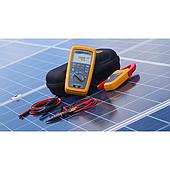
To maximize effectiveness, insulation testing and grounding should be integrated into a closed-loop maintenance procedure. This synchronized combination not only helps detect potential risks early but also creates a robust protective barrier for investors' assets, optimizing the ROI for the entire solar energy project
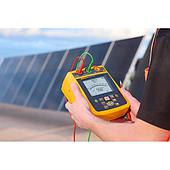
By assessing the impact of dust and shading alongside routinely archiving I-V curve data and thermal images, technical teams can easily identify early performance degradation trends in individual PV strings. As a result, businesses can schedule cleaning, trim obstructions, or focus on repairing precise fault locations rather than incurring costs from widespread inspections or premature panel replacements—thereby optimizing power output and extending the lifespan of the entire solar project.
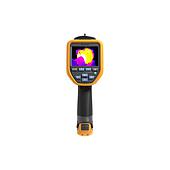
In industrial plant operations and energy infrastructure, issues such as overload, short circuits, or performance degradation frequently stem from increased contact resistance, material wear, or electromechanical anomalies. The application of thermal imaging cameras allows for non-contact infrared radiation measurement, converting thermal energy into an intuitive color map to detect anomalies early while the system is operating under load.
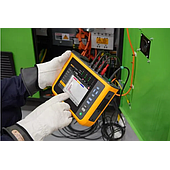
Power quality analysis is the process of measuring, monitoring, collecting, and evaluating electrical power parameters (such as voltage, frequency, and waveform) to determine whether they are stable and within acceptable limits
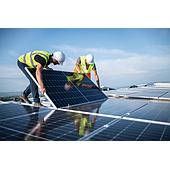
A solar PV system may use certified solar panels, inverters, and protective devices, but this does not automatically mean that the entire system is safe. The installation quality of the complete system must be independently checked against the applicable safety requirements.
Get exclusive volume discounts, bulk pricing updates, and new product alerts delivered directly to your inbox.
By subscribing, you agree to our Terms of Service and Privacy Policy.
Direct access to our certified experts