For full functionality of this site it is necessary to enable JavaScript.
EMIN.VN
0

What to note before safe lathe machining

08/18/2025 16:13:24

Discover the important notes in the following article to ensure safety when machining lathes. Starting from how to set up the machine, working posture to protecting yourself, the article helps you grasp the essential skills to avoid accidents and increase machining efficiency.

Prepare machinery and ensure equipment safety before machining

Before putting the lathe into operation, the worker needs to check the overall equipment. Place the machine on a flat, stable surface to avoid vibration, which directly affects the accuracy of the machining.
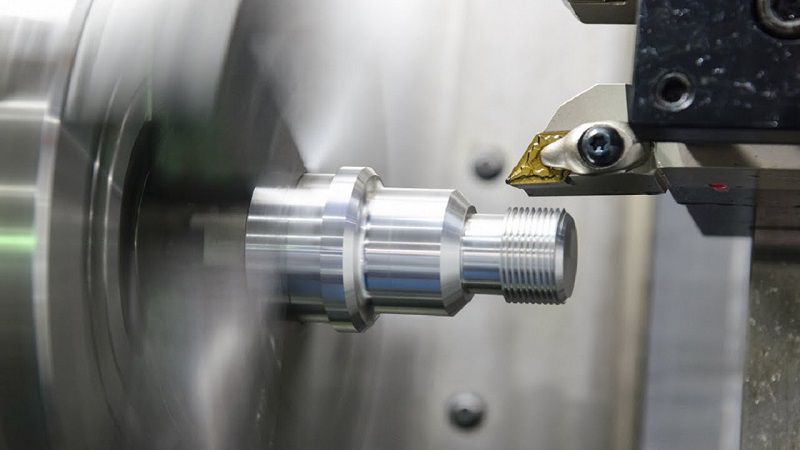
Next, check the clamping parts such as the chuck, driveplate or faceplate. These parts need to be properly tightened to keep the workpiece stable, if loose, it can easily cause slipping, broken knives or dangerous accidents.

An important note that is often overlooked: never leave the chuck key on the machine after clamping the workpiece. When the machine rotates, the key can fly out and cause unwanted injuries.

In addition, make sure the electrical system and emergency stop button are working properly. The operator should be fully equipped with labor protection: glasses, gloves, safety shoes,...

Personal safety and proper work habits

When standing in front of a lathe, the first thing to remember is that personal protective equipment is never redundant. A pair of safety glasses, suitable gloves and safety shoes will help you avoid unnecessary accidents. On the contrary, seemingly harmless things such as loose clothes, rings or necklaces can become deadly dangers, and a little carelessness can get you caught in a part rotating at high speed. 

A small but extremely important habit is to clean the surface of the part and the cutting tool before installation. Do not ignore a few dust particles or remaining metal chips, they can cause the workpiece to not be clamped tightly, shake, affecting the accuracy and safety of the machining process.

Operation and monitoring during turning

When starting to operate the lathe, do not rush to turn it on immediately. You need to make sure that the cooling system is ready, the spindle speed and feed are adjusted correctly according to the material and the part being processed. For example, turning hard steel requires a slow speed and a reasonable feed rate, while aluminum or copper can run faster. If the cutting is too deep or the wrong mode is selected, the tool will wear out quickly and easily damage the part.
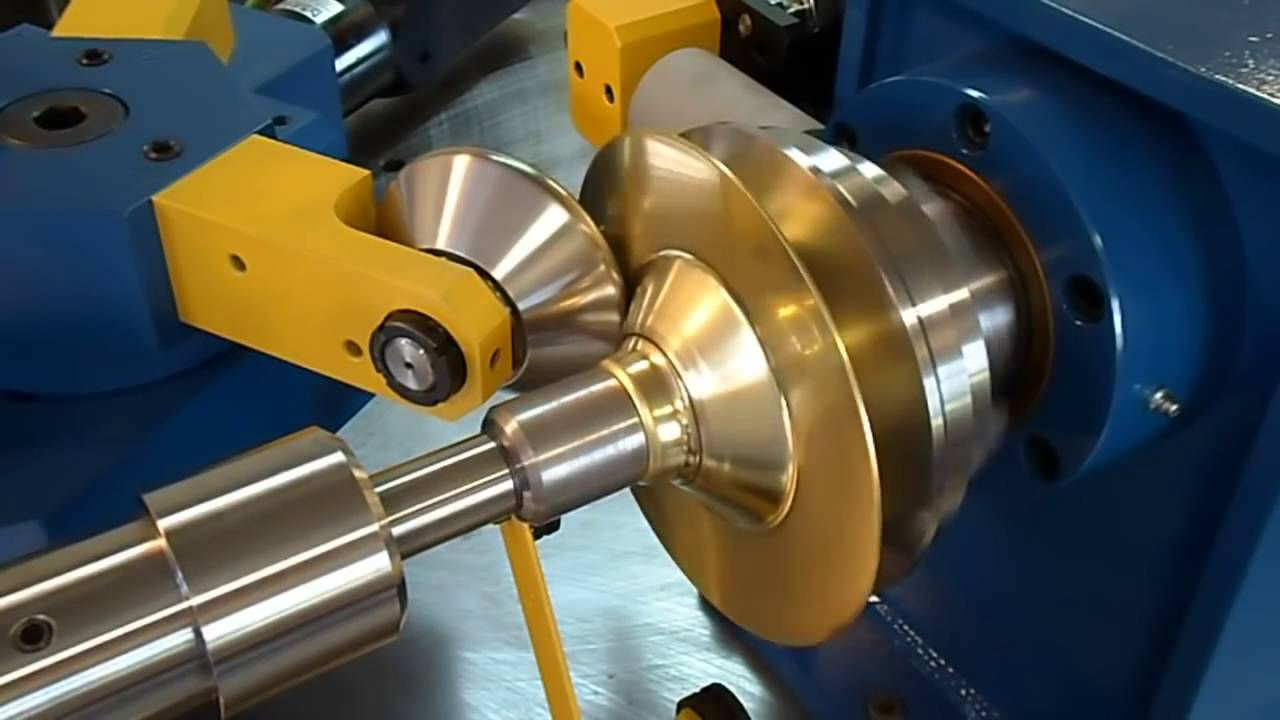
During the turning process, observe the cutting line, listen to the machine sound, any strange noise or unusual vibration is a sign that you must stop and check immediately. Do not try to "run it right away" because just a small mistake can cause the tool to break or the workpiece to fly out, which is extremely dangerous.

An immutable principle: only adjust and measure when the machine has stopped completely. Many new workers often rush, which is dangerous for themselves and can damage the knife and machine.

Read more:

Some advantages that can be found on CNC machines

Working on a pipe threading machine in just a few simple steps

What role does a pipe threading machine play? Why should you use it?

Related News

Which products are tested using a -40°C to +150°C thermal shock chamber?
07/22/2026 14:45:25

Automotive circuit boards, sensors, modules, and plastic components can all experience issues after repeated transitions between cold and hot environments. A thermal shock chamber operating from -40°C to +150°C enables the replication of these temperature fluctuations under controlled testing conditions.

Does thermal shock cause damage to electronic components?
07/22/2026 10:40:49

An electronic component may operate stably under constant temperature conditions yet fail after repeated rapid transitions between hot and cold. The issue typically stems not from a specific temperature level, but rather from the rate of temperature change and the number of hot-cold cycles

The rigorous standards behind a multi-million-dollar MRI suite
07/21/2026 14:54:01

An MRI system may be correctly installed and fully connected to the power supply, yet still encounter issues if the surrounding environment fails to meet technical specifications. Electromagnetic interference, RF shielding, power quality, grounding, temperature, humidity, and particulate levels are all factors that may require assessment, depending on the facility's design and the manufacturer's requirements.

Sinusoidal and Random Vibration: A Test Setup Guide for Industrial Engineers
07/21/2026 10:30:38

During the operation of industrial machinery or the transportation of goods, persistent mechanical vibrations inevitably occur; these are a primary cause of material fatigue, loosened connections, and cracking in printed circuit boards (PCBs). To ensure product integrity before delivery to customers, R&D and QA/QC engineers must simulate these dynamic forces using vibration test systems.

Capacities of laboratory centrifuge tubes
07/20/2026 13:55:40

Tubes with capacities of 0.2 ml, 1.5 ml, 15 ml, or 50 ml are commonly found in laboratories, yet each type is associated with specific sample categories and equipment configurations. DNA and RNA samples typically require small-volume microtubes; blood and cell samples often utilize 5 ml or 15 ml tubes; while large-volume processing workflows may require tubes of 50 ml, 100 ml, or greater capacity

Stay Updated with Offers

Get exclusive volume discounts, bulk pricing updates, and new product alerts delivered directly to your inbox.

By subscribing, you agree to our Terms of Service and Privacy Policy.

Quick Support

Direct access to our certified experts