Socket
Reliable power distribution is a basic requirement in workshops, construction areas, production support spaces, and everyday electrical installations. When users look for the right Socket solution, they are often comparing more than just outlet count—they also need to consider cable length, load capacity, portability, protection level, and how the product will be used in practice.
This category brings together socket and outlet solutions suitable for different working environments, from compact power strips for indoor equipment to cable reel and extension socket types designed for longer reach. It is especially useful for buyers who need a practical way to organize power delivery safely and efficiently across tools, appliances, and electrical devices.

Socket solutions for different installation and usage needs
Not every socket product serves the same purpose. Some are intended for fixed or semi-fixed use in offices, technical rooms, retail counters, or residential projects, while others are better suited to temporary power access in maintenance work, field service, and job sites. Choosing correctly helps reduce cable clutter, improves accessibility, and supports safer daily operation.
In this category, users can find both simple multi-outlet strips and longer cable-based outlet systems. For buyers already reviewing broader electrical distribution options, it may also be helpful to explore the dedicated socket range alongside related power conditioning equipment where system stability matters.
Common product formats in this category
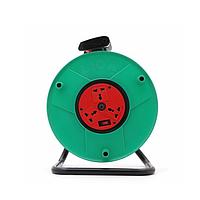
A typical distinction is between power strips, extension sockets, and cable reel outlets. Power strips are often selected for desks, benches, testing stations, and indoor equipment clusters where several devices need power from one source. Extension sockets with longer cables help bridge distance from the main outlet to the working point, while retractable or rotary reel designs are useful when cable management and mobility are important.
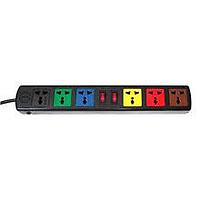
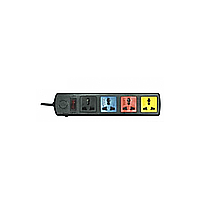
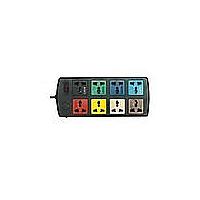
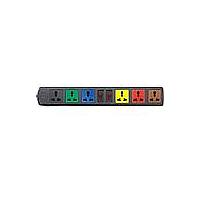
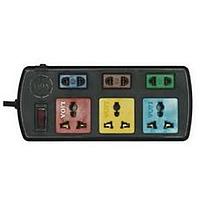
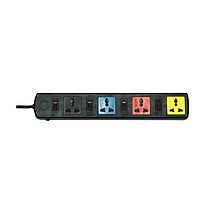
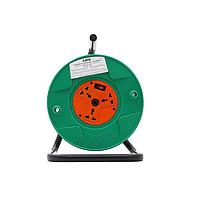
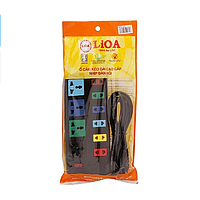
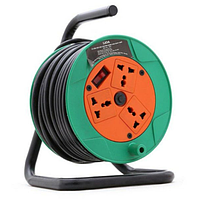
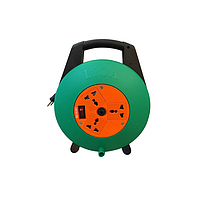
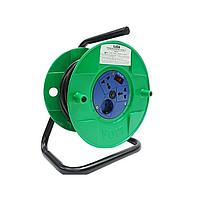
Examples in this category reflect those practical differences. The LiOA 6DND3.2.10 6-Socket Power Strip (3m) is a straightforward option for connecting multiple loads in a compact setup, while the LiOA 8D32N Multifunction sockets extends that idea for users who need more connection points. For longer working distances, products such as the LiOA QTD30-2-15A Universal Oulet and YATO YT-8106 Manual rotary socket Rulo are more aligned with temporary or flexible deployment.
What to evaluate before choosing a socket product
The first factor is the intended load. Buyers should check whether the socket will be used for low-power electronics, office equipment, portable tools, or higher-demand devices that may draw more current over longer periods. This affects not only outlet type, but also cable construction, conductor size, and whether overload protection is desirable.
The second factor is cable length and layout. A short cable can be ideal for tidy bench installations, but a 20 m, 30 m, or even longer extension format is more suitable when the power source is far from the work area. Products like the YATO YT-81221 Self-retracting power outlet 20m are relevant when reach and quick cable storage are both important.
Another point is environmental exposure. If a socket will be used in spaces where dust, splashes, or rough handling may occur, enclosure protection and outlet covers become more important. For installations where voltage quality is a concern, users may also review 1-phase voltage stabilization options to support more stable operation of connected equipment.
Representative brands and product directions
LiOA is one of the most relevant names in this category, particularly for practical socket strips, cable outlets, and extension formats commonly used in homes, offices, and commercial environments. Models such as HYBRIDX-50M-20A, QTD30-2-15A, and 6DND3.2.10 show the variety available within a single brand, from basic multi-socket layouts to longer-reach distribution solutions.
YATO is especially suitable when portability and worksite usability are priorities. Products like the YT-81221 self-retracting outlet and YT-8106 manual rotary socket are geared toward situations where cable deployment, storage, and repeated movement matter. In parallel, SCHNEIDER appears in this category with switch-oriented electrical accessories, which can be relevant for users building a more complete installation ecosystem around sockets, switching points, and room control elements.
Applications in commercial, residential, and light industrial settings
Socket products in this category can support a wide range of everyday electrical tasks. In offices and technical workstations, multi-outlet strips help distribute power to computers, chargers, printers, routers, and peripheral devices from a single connection point. In workshops or service areas, extension sockets simplify access to handheld tools and portable equipment without requiring a permanent outlet near every work position.
Long-cable and reel-based designs are also useful in maintenance environments, event setups, warehouses, and building service work, where the power source may not be close to the task. Buyers working on larger electrical systems may also compare related equipment such as power transformers when voltage conversion or broader distribution requirements are part of the project scope.
Why outlet count and protection features matter
A higher number of outlets can improve convenience, but it should always be matched to real load planning. Connecting multiple devices to one strip is only effective when the total power demand stays within the product’s intended capacity. This is why buyers often pay attention to integrated switches, circuit breaker protection, and basic shielding measures on the outlets themselves.
Some products in this category illustrate that balance well. The LiOA 6DND3.2.10 includes multiple sockets in a compact format and incorporates circuit breaker protection, while the YATO YT-8106 is designed around a longer cord and practical use on construction or temporary work sites. In both cases, the product format supports a different operational need rather than simply adding more sockets.
How to match the product to the real working environment
The best selection process starts with a simple question: where will the socket be used most of the time? For bench work, IT corners, or indoor utility points, a compact strip with several outlets may be enough. For moving tools across a wider area, a rotary or retractable cable solution is usually more practical because it reduces tangling and helps keep the floor area more organized.
It is also useful to think about future expansion. A buyer who currently needs a basic extension outlet may later add equipment that benefits from voltage control or transformer support. For that reason, this category fits naturally within a broader electrical supply ecosystem that can scale from simple outlet access to more structured power management.
Choosing with confidence
A suitable socket product should make daily electrical work easier, not more complicated. The right choice depends on how many devices need to be connected, how far the power has to travel, what level of portability is required, and whether the environment calls for added protection or better cable handling.
By comparing outlet layout, cable format, protection features, and intended application, buyers can narrow the options to products that genuinely fit their operating conditions. Whether the need is a compact multi-outlet strip, a long-reach extension solution, or a reel-based design for flexible deployment, this category provides a practical starting point for selecting dependable power access equipment.
Get exclusive volume discounts, bulk pricing updates, and new product alerts delivered directly to your inbox.
By subscribing, you agree to our Terms of Service and Privacy Policy.
Direct access to our certified experts