Understanding Perspiration Color Fastness Testing
Perspiration color fastness tester evaluates how well a textile retains its color when exposed to conditions intended to represent contact with sweat. This is particularly relevant for garments and other textile products that remain close to the skin during normal wear. Shirts, T-shirts, and similar clothing may be exposed to perspiration in areas such as the forehead, underarms, back, and palms.
When a textile is in contact with sweat, certain dyes may be affected. The visible result can include a change in the color of the tested specimen or staining on an adjacent lining fabric. A controlled laboratory test helps quality-control teams observe these effects under repeatable conditions rather than relying solely on use observations.
Perspiration color fastness testing is described as an assessment of a textile’s own color change and its tendency to stain a lining fabric. The assessment is conducted using test solutions containing histidine, together with pressure and temperature. The source information also notes that acid and alkaline artificial perspiration solutions may be prepared to represent different perspiration conditions.
Why Controlled Perspiration Testing Matters
Textiles worn next to the skin can remain in contact with perspiration for extended periods. Because dye behavior can vary, evaluating color retention and color transfer is an important part of textile quality control. Some dyes may respond differently to acidic or alkaline conditions, making the use of defined test solutions useful for consistent assessment.
The test approach outlined in the source material uses a temperature of 37°C to simulate body temperature. Pressure is applied as part of the test condition, allowing the laboratory to examine the specimen and lining fabric after exposure. The outcome focuses on two practical observations: discoloration of the original textile and staining of the accompanying fabric.
Equipment Used in the Test Process
Perspiration Tester GT-D09
GT-D09 is presented for evaluating perspiration resistance color fastness on textile materials and dyed or colored textiles. In addition to perspiration resistance, the source lists applications related to water, seawater, saliva, chlorine bleach, etamsylate resistance, and other performance evaluations. Laboratories should match the selected method and accessories to the specific test they need to perform.
For perspiration work, the tester supports the stage in which prepared textile specimens are exposed to the required test conditions. A consistent process for specimen preparation, solution selection, pressure application, and post-test evaluation helps teams compare results across materials or production batches.
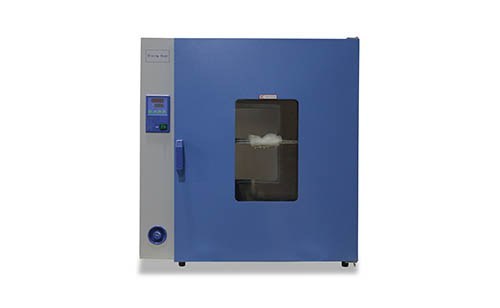
Drying Oven for Fabric Testing GT-D10
The Drying Oven for Fabric Testing GT-D10 is described as equipment for drying tests associated with textile perspiration resistance color fastness testing and as a companion unit for use with GT-D09. It is also stated to be suitable for high-temperature heating and drying tests for other products.
Using a dedicated drying stage can support a more organized workflow after specimens have completed their exposure stage. Laboratories should follow the relevant test method when defining the conditions for each step and when evaluating color change or staining.
Standards Listed for the Equipment
The source information lists several standards in connection with the GT-D09 and GT-D10. For perspiration testing, the Perspiration Tester GT-D09 is listed with GB/T 3922, AATCC 15, ISO 105-E04, JIS L 0848, and ISO 11641. The Drying Oven for Fabric Testing GT-D10 is listed with GB/T 3922, AATCC 15, ISO 105-E04, and JIS L 0848 for perspiration-related work.
For additional test categories, GT-D09 is listed with GB/T 5714, ISO 105-E02, and AATCC 107 for seawater; GB/T 5713, ISO 105 E01, and AATCC 106 for water; and GB/T 18886 for saliva. GT-D10 is also listed with these seawater, water, and saliva references. Before testing, users should confirm the exact method required by their product specification or quality program.
Building a Practical Quality-Control Workflow
A clear workflow begins by identifying whether water-soaked fabric color fastness is relevant to the intended textile application. The laboratory can then select the applicable standard, prepare the required textile and lining fabric specimens, and use the appropriate artificial perspiration condition. Following the exposure, pressure, temperature, and drying stages, the team can assess color change and staining in accordance with its selected method.
By keeping the procedure controlled and repeatable, manufacturers and laboratories can use perspiration color fastness testing to support informed textile quality decisions. The Perspiration Tester GT-D09 and Drying Oven for Fabric Testing GT-D10 are presented as equipment options for this testing workflow.