For full functionality of this site it is necessary to enable JavaScript.
EMIN.VN
0

Environmental Monitoring

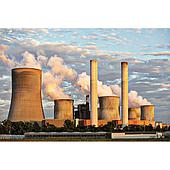
Homes on busy streets: How to measure fine particulate matter and exhaust fumes entering your living room
11/16/2026 09:42:31

Living in a house facing a main road is particularly frustrating: you might wipe the tables until they’re spotless in the morning, only to find them covered in a layer of dust by the afternoon. Even with the doors tightly shut and the curtains drawn, the house still feels stuffy by evening—permeated by the faint, lingering presence of vehicle exhaust. While regular dust can be swept away, fine particulate matter the kind you can’t even see silently seeps in through the gaps around your doors and windows. So, before you rush to spend money on an air purifier or weather-stripping, take a moment to check the current air quality inside your home and identify exactly where the pollutants are entering


The scent of new wood in a newly handed-over apartment: How to measure and address formaldehyde (HCHO) levels before moving in
11/14/2026 10:28:19

Many people refer to the pungent, acrid odor that emerges when opening a new cabinet as the "smell of new wood," assuming it will simply dissipate after a few days. In reality, however, what is being released could well be formaldehyde—a substance originating from the adhesives used in the pressed-wood panels—and our sense of smell is not a reliable enough gauge to determine the concentration levels present

Guide to Selecting a TCLP Toxicity Characteristic Leaching Procedure Shaker Configuration in Compliance with QCVN 07:2025/BNNMT and TCVN 9239:2012
11/13/2026 17:23:39

Regulation QCVN 07:2025/BNNMT (replacing QCVN 07:2009/BTNMT and QCVN 50:2013/BTNMT) specifies hazardous waste and sludge thresholds based on leachate concentrations. To ensure that analytical results for heavy metals and organic compounds are accepted during ISO/IEC 17025 or VIMCERTS assessments, laboratories must comply with the Toxicity Characteristic Leaching Procedure (TCLP) specified in TCVN 9239:2012, which is equivalent to US EPA Method 1311

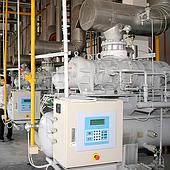
Leak Control NH3 in Industrial Cold Storage
10/16/2026 16:35:37

Managing refrigeration systems using ammonia (NH3) aims to minimize the risk of poisoning, fires, and explosions, ensuring occupational safety and system operation

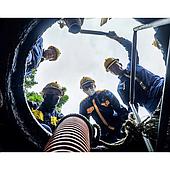
Toxic Gas Traps in Sewers & Tanks and The 3-Minute Rule
10/15/2026 16:12:33

Confined space environments frequently accumulate hazardous gases originating from organic decomposition or long-term chemical reactions. Therefore, strictly adhering to the minimum 3-minute air testing procedure using a Portable Gas Detector is considered a mandatory safety requirement to protect workers' lives.

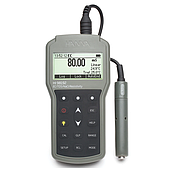
Formula for Converting TOC to COD for Wastewater
10/14/2026 11:27:30

This article addresses various questions in turn, covering whether conversion is permitted, how to establish the K-factor, when the factor ceases to be valid, and which equipment is suitable

Stay Updated with Offers

Get exclusive volume discounts, bulk pricing updates, and new product alerts delivered directly to your inbox.

By subscribing, you agree to our Terms of Service and Privacy Policy.

Quick Support

Direct access to our certified experts