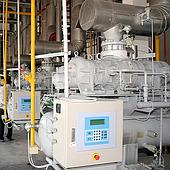
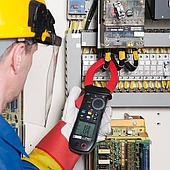
Công ty Cổ phần EMIN Việt Nam là một công ty hoạt động trong lĩnh vực nhập khẩu và phân phối trực tiếp Thiết bị đo lường, Thiết bị thí nghiệm, Tự động hóa, Dụng cụ cầm tay.... Cần tuyển nhân viên hiệu chuẩn – kiểm định
.jpg)
Mô tả công việc:
Học, xây dựng quy trình và làm kỹ thuật hiệu chuẩn kiểm định nhiệt độ, áp suất, điện, độ dài, khối lượng, sinh hóa, môi trường…
Yêu cầu:
Kỹ sư, thạc sỹ tốt nghiệp chuyên ngành: Đo lường, điện - điện tử, cơ điện tử, tự động hóa, điện tử viễn thông, sinh hóa, môi trường, cơ khí. Ưu tiên: có kinh nghiệm (có chứng chỉ hiệu chuẩn – kiểm định càng tốt), đã làm hiệu chuẩn tại các đơn vị chuyên dịch vụ hiệu chuẩn, kiểm định một hoặc nhiều hơn trong các lĩnh vực nhiệt, áp suất, điện, độ dài, trọng lượng, hóa sinh, đã làm việc tại các phòng lab, đã tham gia nghiên cứu nhiều đề tài khoa học
Ngoại ngữ: tối thiểu đọc hiểu được tài liệu kỹ thuật bằng tiếng anh
Số lượng: 05 người tại Hà Nội
Thu nhập: 10-20 triệu (thỏa thuận theo năng lực và theo hiệu quả làm việc)
Làm việc: tại Hà Nội
Quyền lợi: Được tham gia BHXH, BHYT theo quy định , thưởng, chế độ nghỉ tết, lễ theo nhà nước
Thông tin Liên hệ
Công ty cổ phần EMIN Việt Nam
Địa chỉ: Số 8A, đường Hoàng Cầu Mới, Q.Đống Đa, Hà Nội
Thông tin liên hệ: Nguyễn Thanh Hưng, Điện thoại: 0904103179
Ưu tiên nhận hồ sơ ứng viên qua email hungnt@emin.vn