
TV, Mobile LCD repair equipment
Display repair work demands more than hand tools and good soldering technique. When dealing with fragile panels, compact flex connections, bonded glass, and densely packed electronic assemblies, the right setup helps technicians work more accurately, reduce handling risk, and improve consistency across TV and mobile device repair jobs.
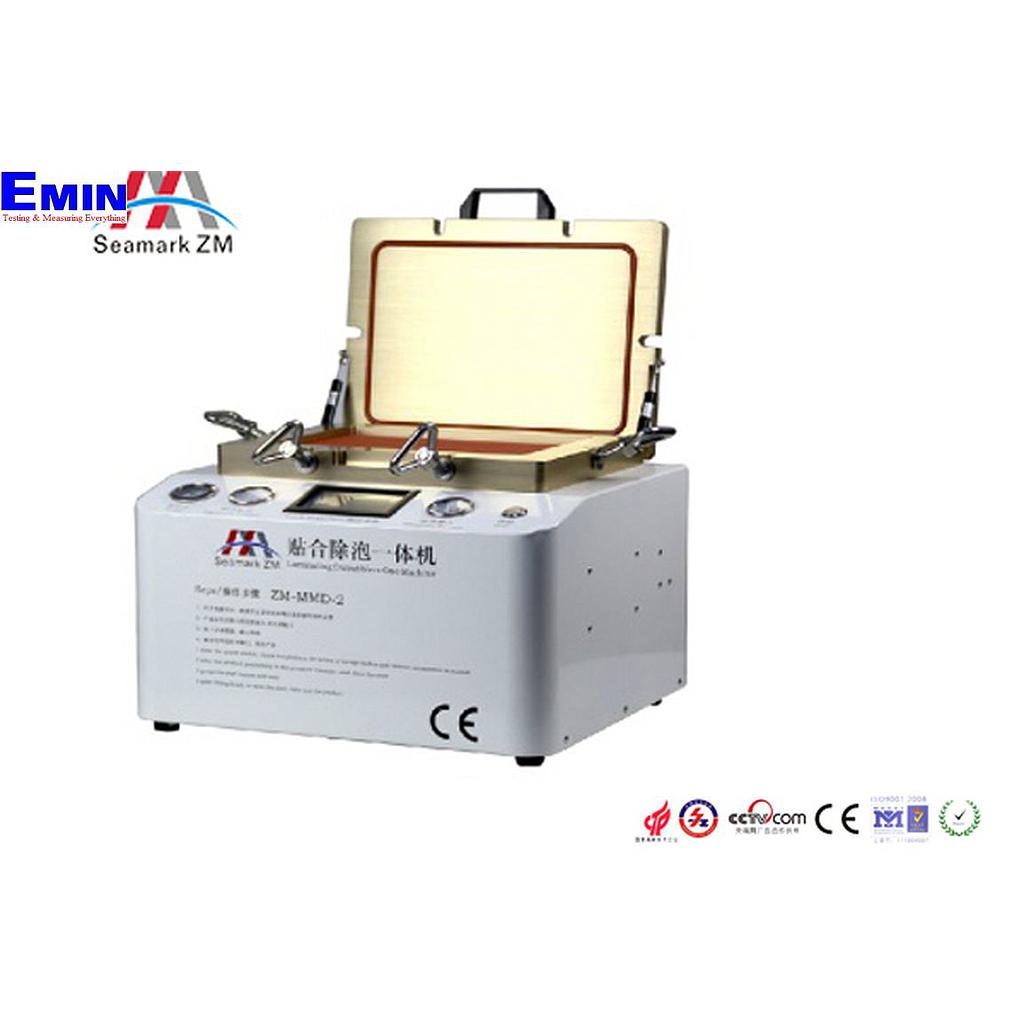
This category focuses on TV, Mobile LCD repair equipment used in service environments that handle screen-related diagnostics, rework, testing, and restoration tasks. These tools are typically selected by repair centers, electronics workshops, refurbishment businesses, and technical teams that need a practical workflow for identifying faults and carrying out controlled repair processes on modern displays.
Where LCD repair equipment fits in the repair workflow
In many repair operations, screen problems are not limited to a visibly cracked panel. A device may show no image, unstable brightness, touch malfunction, line defects, backlight issues, connector damage, or intermittent behavior caused by board-level faults. Because of that, LCD repair equipment usually supports several stages of work rather than a single repair action.
A typical workflow may include initial fault verification, safe disassembly, connector or board rework, display testing, and final functional confirmation before return to service. Shops that also manage broader maintenance processes may combine this setup with equipment inspection service activities to check tool condition and maintain more reliable bench performance over time.
Common tasks supported by this equipment category
Equipment used for TV and mobile LCD work is often chosen to support precision repair on sensitive electronic assemblies. Depending on the job, technicians may need to handle display connectors, flexible cables, small solder joints, bonded interfaces, or panel-related subassemblies that require stable working conditions and repeatable process control.
For mobile device service, the focus is often on compact layouts, delicate connectors, and careful thermal handling. In TV repair, the work may involve larger panels, driver board access, backlight-related troubleshooting, and more complex bench organization due to screen size and handling requirements. In both cases, proper equipment helps reduce accidental damage during diagnosis and reassembly.
Key considerations when selecting TV and mobile LCD repair equipment
Choosing suitable tools starts with the actual repair mix in your workshop. A business focused mainly on smartphone screen and connector work will often prioritize fine control, compact workstations, and repeatable handling for small parts. A service center taking on larger televisions may place more emphasis on bench space, support fixtures, and testing steps that fit oversized display assemblies.
It is also important to think about workflow stability, not just the tool itself. Repair teams usually benefit from equipment that supports safe handling, clear observation of faults, consistent process settings, and easier technician training. If your operation also depends on measurement and troubleshooting during repair, related resources in electrical measurement can help expand the diagnostic side of the bench.
Why repair quality depends on more than the display itself
In LCD repair, a successful outcome is influenced by many small variables: handling discipline, ESD awareness, thermal control, cleanliness, connector alignment, and verification after rework. Even when the visible symptom appears to be a damaged screen, the underlying cause may involve the signal path, power section, backlight circuit, or contact integrity between connected parts.
This is why repair equipment should be viewed as part of a wider service process. A better organized bench can shorten troubleshooting time, reduce repeated opening and closing of the device, and improve consistency between technicians. For businesses supporting customer devices at scale, that can make a meaningful difference in turnaround and rework rates.
Use cases in service centers, refurbishing, and technical support
This category is relevant for independent electronics workshops, authorized service environments, refurbishment lines, and in-house support teams managing display-related failures. Some users need equipment for occasional repairs, while others require a repeatable workstation for steady repair volume across phones, tablets, monitors, and televisions.
Refurbishment operations in particular often look for equipment that helps standardize inspection and rework steps before products are returned to stock or resold. When bench uptime matters, it may also be practical to review options related to equipment repair services so critical tools can be maintained rather than left idle during faults.
Building a more reliable LCD repair environment
Purchasing equipment is only one part of setting up an effective repair area. The surrounding process matters as much: operator training, bench layout, documentation, verification steps, and maintenance planning all contribute to the final repair result. A workshop that handles frequent LCD jobs often benefits from a structured setup that separates diagnosis, disassembly, rework, and final test stages.
Regular verification and upkeep can also help preserve performance, especially for tools used repeatedly in precision tasks. For organizations that need traceability or scheduled checks, equipment calibration service may be relevant as part of a broader quality-control approach.
How to evaluate this category for your operation
Before selecting equipment, it helps to define the device types you actually repair, the failure modes you see most often, and the expected repair volume. A small mobile repair bench may need a different combination of tools than a facility handling larger TV panels and mixed electronics service work. Evaluating the category through that operational lens usually leads to more practical purchasing decisions.
It is also useful to consider technician skill level, available workspace, and whether the equipment must support diagnosis only, component-level rework, screen-related restoration, or a broader service chain. When these factors are clear, it becomes easier to choose equipment that fits daily use rather than simply matching a generic tool list.
Final thoughts
For businesses involved in display-related service, the right LCD repair setup helps create a safer and more repeatable process from fault finding through final verification. This category brings together equipment intended to support that work in TV and mobile repair environments, where precision, handling care, and process consistency matter every day.
If you are comparing options, focus on the real repair tasks performed at your bench, the types of devices you handle most often, and the level of control required for reliable outcomes. A well-matched equipment selection can support better productivity, more stable repair quality, and a smoother workflow across the full service operation.
Get exclusive volume discounts, bulk pricing updates, and new product alerts delivered directly to your inbox.
By subscribing, you agree to our Terms of Service and Privacy Policy.
Direct access to our certified experts