For full functionality of this site it is necessary to enable JavaScript.
EMIN.VN
0

Problems when using hydraulics? How to solve it

02/06/2025 16:23:43

The application of hydraulic jacks in practice is unquestionable, because this is still an important equipment chosen by many industries in Vietnam. With outstanding features, this device helps increase labor productivity and improve work accuracy. In the coming time, fields such as repair, assembly, manufacturing, traffic rescue, construction... will certainly still need hydraulic jacks.

However, during use, sometimes some problems cannot be avoided. So what are common problems and how to handle them? Let's find out in the article below

Common problems when using hydraulic jacks
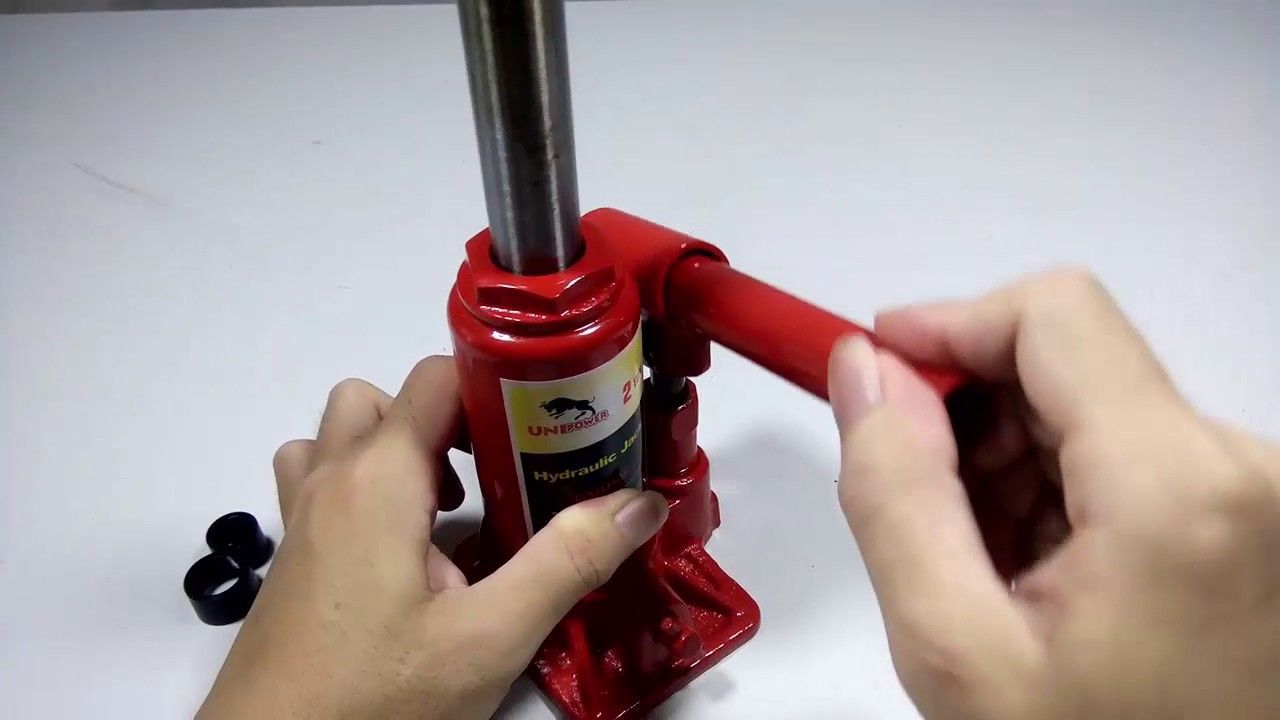
After a long period of operation, especially in harsh environmental conditions, hydraulic jacks may encounter some problems such as:

The device is stuck and cannot be raised or lowered as usual.

The retaining pin is broken, affecting the operation process.

The pressure valve has a problem, causing the device to become uncontrollable.

The actuator mechanism operates slowly, is unstable or reacts erratically.

Oil leakage occurs, causing loss and affecting performance.

The surface rusts and wears over time.

Causes of hydraulic jack failure

As mentioned, hydraulic jacks can have problems due to many different reasons, including:

Failure to maintain equipment regularly will cause parts to degrade over time.

Using the wrong type of oil when replacing will affect performance.

Leaving the device outdoors for long periods of time, exposed to rain and sun, can lead to rust and damage.

Operating beyond the permissible load causes the jack to be overloaded and quickly degrade.

Use in unfavorable environments or for too long a time without appropriate protection measures will reduce device life.

Solution to troubleshooting hydraulic jacks
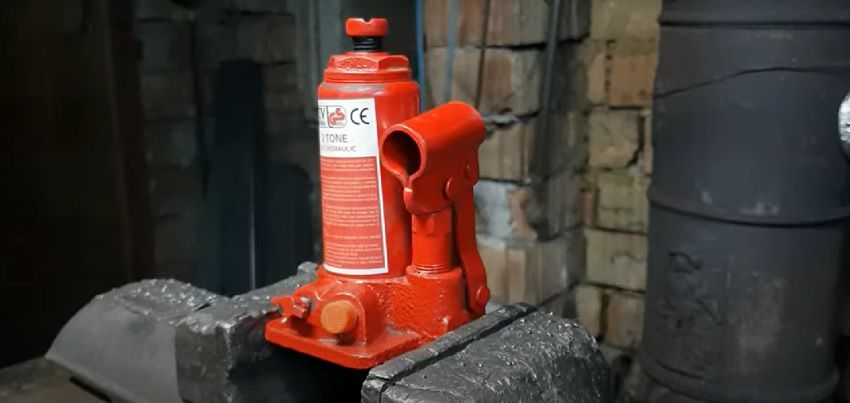
To maintain the life of the hydraulic jack and limit unwanted damage, periodic maintenance is important and cannot be ignored. When detecting unusual signs, it is necessary to quickly check and take timely measures. If the problem is complicated, contact a reputable repair unit immediately to avoid more serious damage. It is necessary to be proactive in maintenance and repair to help equipment operate more stably and minimize interruptions during work.

See more related articles:

How many types of hydraulic gravity jacks are there?

What is a hydraulic jack? How many types of hydraulic gravity lifting jacks are there?
Related News

Need a simple fix for weak or unstable voltage? Try a DHVN unit today.
08/06/2026 14:06:28

You can easily check for weak or unstable power right at home using a multimeter. After just a few minutes of measuring the voltage, you will be able to determine whether the power supply is experiencing a voltage drop or if the issue lies with the wiring, the outlet, or the appliance itself.

6 early signs of a burnt start capacitor to avoid losing millions
08/06/2026 10:34:44

"Silent capacitor burnout" refers to a phenomenon where a start capacitor gradually loses capacitance without exploding or emitting smoke, making it difficult for the user to detect the issue until the motor has sustained severe damage. The appliance continues to operate but runs sluggishly, overheats, and consumes twice the normal amount of electricity. Without periodic inspections, a component costing only a few tens of thousands of dong could force you to replace the entire motor, air conditioner compressor, or ceiling fan an expense running into the millions.

Can an analog multimeter still measure capacitors?
08/05/2026 15:30:41

An analog multimeter can still be used to quickly check if a capacitor is shorted, open-circuited, or capable of charging and discharging. However, if precise capacitance measurement or an assessment of capacitor quality is required, a digital multimeter or LCR meter will yield more reliable results

Measuring Pump Shaft Speed? When Is It Necessary, and How Should It Be Done Correctly?
08/04/2026 14:45:15

Measuring pump shaft speed helps determine the equipment's actual rotational speed (RPM), allowing for comparison against design specifications to detect issues such as belt slippage, incorrect gear ratios, abnormal motor operation, or failure to achieve the desired flow rate. Depending on operating conditions, engineers may choose a laser tachometer, a contact tachometer, or a stroboscope

Stay Updated with Offers

Get exclusive volume discounts, bulk pricing updates, and new product alerts delivered directly to your inbox.

By subscribing, you agree to our Terms of Service and Privacy Policy.

Quick Support

Direct access to our certified experts