With its ability to generate massive pushing force through a hydraulic transmission system, a hydraulic jack enables operators to lift and move concrete blocks or machinery weighing dozens of tons with ease. However, in real-world operation, selecting the correct load capacity alone is not enough. Understanding additional technical specifications, equipment variations, and strictly following safety standards are the decisive factors that determine operational efficiency and the long-term lifespan of the entire machinery system.
Why Is a 50-Ton Hydraulic Jack the “Golden Choice” in Industry?
The 50-ton segment is considered the “golden” load range due to its perfect balance between power and mobility. In practice, this capacity is strong enough to lift large CNC milling machines, medium-sized bridge girders, or assist in structural pushing during construction. At the same time, the jack remains compact enough for manual transport or installation in confined spaces.
Common variations of 50-ton hydraulic jacks include:
Low-Profile (Toe) Jack – 50 Tons: Designed with an ultra-low body, ideal for narrow gaps where standard jacks cannot fit.
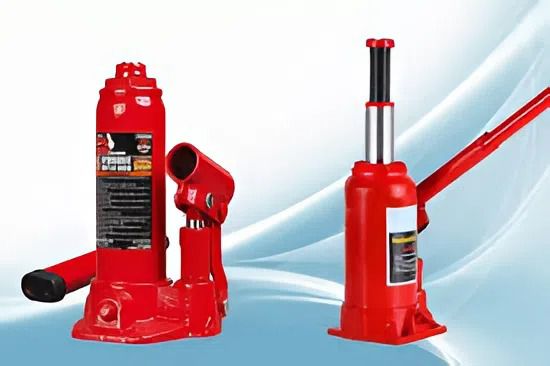
High-Body (Single-Acting Long Stroke) Jack: Features an extended lifting stroke, allowing heavy objects to be raised to significant heights with a single pumping cycle, eliminating the need for complex intermediate blocking steps.
3 Most Important Specifications to Check When Buying a 50-Ton Hydraulic Jack
Although a 50-ton hydraulic jack may seem like the perfect solution, do not finalize your purchase before carefully reviewing these three key specifications:
Lifting Stroke: This refers to the actual height the piston rod can extend. Generally, the longer the stroke, the taller the jack body. You should determine the required lifting height in advance and choose a model with a slightly greater stroke than your actual need to ensure operational flexibility.
Closed Height: Before purchasing, measure the clearance where the jack will be inserted. For example, if the gap is only 10 cm but the jack’s closed height is 15 cm, it will be completely unusable.
Jack Type (Single-Acting or Double-Acting):
- Single-Acting Jack: After lifting, simply release the oil pressure and the internal spring retracts the piston automatically. This type is affordable, durable, and extremely common for standard vertical lifting tasks.
- Double-Acting Jack: Requires pump force to retract the piston. This is almost mandatory when using the jack for horizontal pushing or in complex positions where the spring alone cannot retract the piston effectively.
Read more:
Problems when using hydraulics? How to solve them?
How many types of hydraulic lifting jacks are there?
Recommended High-Quality 50-Ton Hydraulic Jack Brands
Even a minor failure in lifting equipment can lead to enormous property damage and serious safety risks. Therefore, users should prioritize globally recognized brands with solid warranty policies and official inspection and calibration support in Vietnam.
Masada (Japan): Known for exceptional durability, smooth operation, and outstanding stability.
Enerpac (USA): Considered the gold standard in the global hydraulics industry, featuring advanced seal technology capable of withstanding extremely high temperatures and pressures, effectively preventing oil leakage.
Taiwanese and Korean brands: Cost-effective solutions for short-term projects while still meeting full safety certification requirements.
Products from these reputable brands typically feature solid forged steel bodies capable of withstanding heavy impacts and harsh construction site environments.
Safe Operating Procedures and Maintenance Guidelines
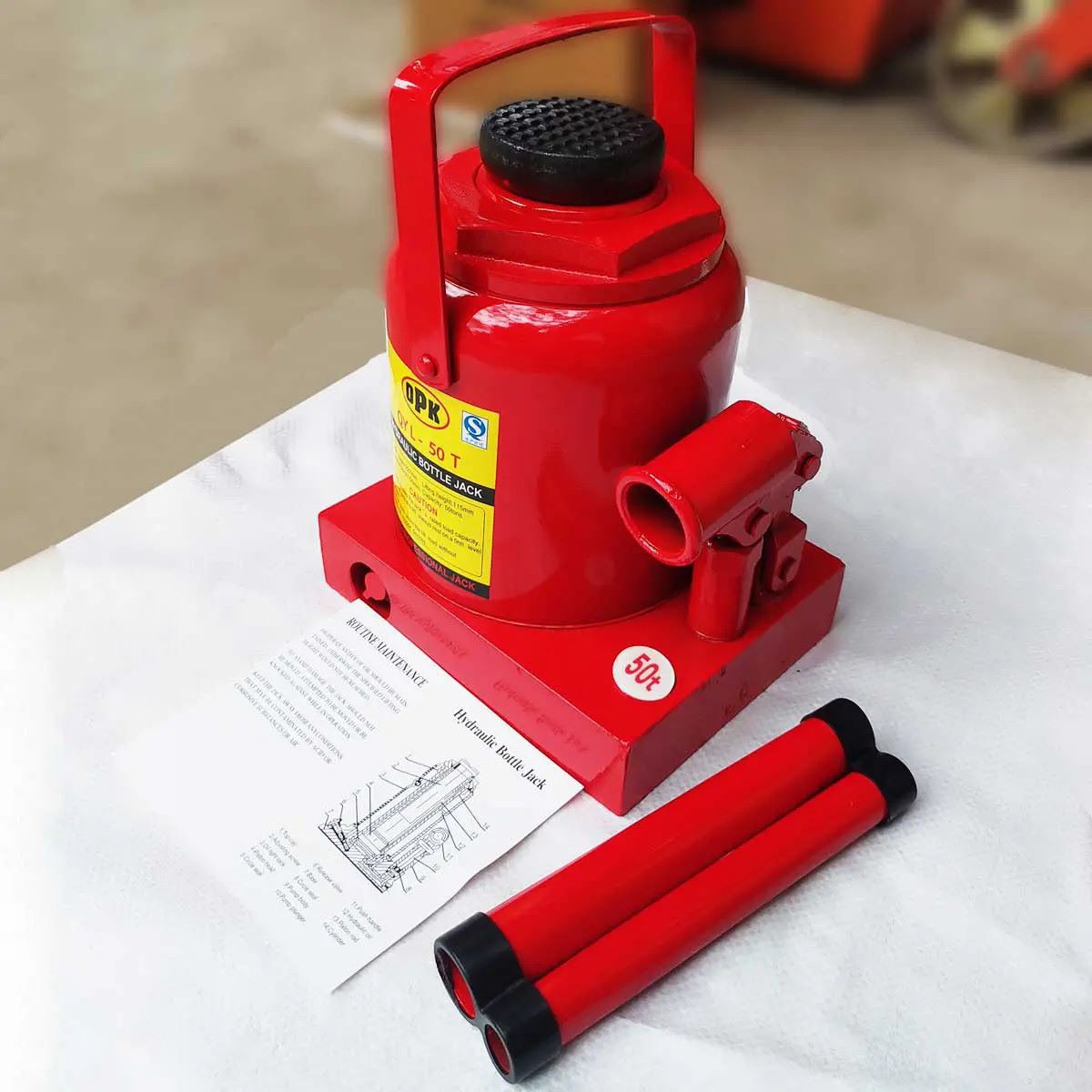
To ensure long-lasting performance of a 50-ton hydraulic jack, users must strictly follow operating and maintenance procedures. First, always ensure that quick couplers are securely connected and that no dust enters the hydraulic oil line.
A crucial piece of advice is the “80% rule.” Even if the jack is rated at 50 tons, it is recommended to operate at no more than 40 tons (approximately 80% capacity). Frequently running at full load significantly accelerates wear and reduces equipment lifespan.
In addition to careful usage, regular maintenance is key to extending service life. After a period of operation or following an oil change, air may enter the hydraulic system, causing jerky or uneven lifting. Perform air bleeding according to the manufacturer’s instructions to ensure smooth oil flow. After completing work, clean dust and metal debris from the piston rod before retracting it. These tiny particles are a primary cause of seal scratches and oil leakage.
Investing in a genuine 50-ton hydraulic jack is not merely purchasing lifting equipment—it is investing in peace of mind for your entire project. Avoid choosing low-cost, unverified products that may pose serious risks during heavy-load operation. Contact EMIN Vietnam today for expert consultation to select the most suitable 50-ton hydraulic jack model based on your actual lifting stroke and workspace requirements.