For full functionality of this site it is necessary to enable JavaScript.
EMIN.VN
0

In what situations is the equilibrium standard commonly used?

03/13/2026 14:52:24

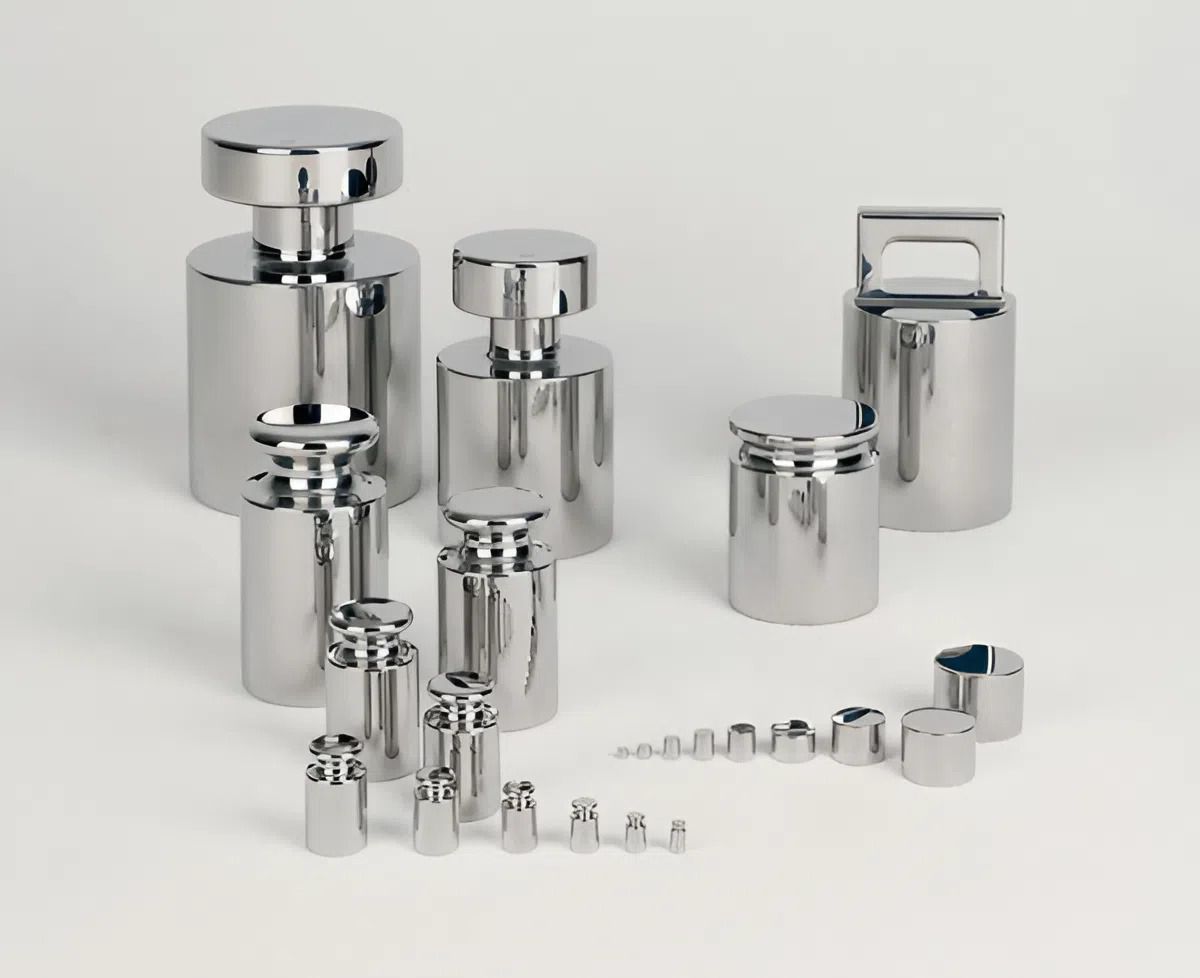
In many places where electronic scales are used, such as laboratories, manufacturing plants, or measurement centers, a standard object with a specific mass is often needed to place on the scale and compare it to the displayed value. This is where standard weights are used.

These are metal blocks manufactured with predetermined weights such as 1 g, 10 g, 100 g, 1 kg, etc. When placed on a scale, users can easily observe whether the displayed result matches the weight of the block.
Thanks to this simple method, many organizations can quickly check the condition of their scales after a period of use.

Use this when you need to quickly test an electronic scale.

In laboratories or material weighing areas, electronic scales are often used continuously every day. After a while, users usually place a standard weight on the scale to see if the displayed reading changes significantly from the initial weight.

For example, when placing a 1 kg weight on the scale, if the displayed reading remains close to 1 kg, the scale is still functioning properly. If the result differs significantly, the user will check the scale again before continuing to use it.

This testing method is quite simple and therefore widely applied in many different environments.

Used in laboratories and measurement centers

In the laboratory, standard weights are often used in sets of various weights. A set might include smaller increments such as:

-1 mg

-10 mg

-100 mg

-1 g

-10 g

-100 g

These weights are usually stored in specialized boxes for easy storage and convenient use.

Thanks to the variety of weights, users can test different values ​​on the scale instead of using only a single increment.

Where can I use a calibration scale?

In many factories, electronic scales are used to weigh raw materials, chemicals, or products before packaging. In these cases, users sometimes place a standard weight on the scale before starting work.

This helps them feel more confident when using the scale to weigh materials or products. Therefore, in production areas, standard weights are usually kept on hand for use when needed.

Levels of standard weights

Standard weights are classified into different classes according to international measurement standards. Some common classes include:

E1, E2

F1, F2

There are also many other types M1, M2, and M3. See more: EMIN Calibration Scales

These classes mainly differ in the permissible error of the weight. Those with the E designation are commonly used in laboratories, while those with the M designation are more frequently seen in commercial or manufacturing operations.

Depending on the type of scale being used, the user will choose the appropriate weight.
Related News

Identifying the causes of short-term power outages using a power analyzer.
08/07/2026 10:28:40

A power quality analyzer can record the entire sequence of events—before, during, and after—a momentary power outage. Based on the captured voltage, current, and waveform data, engineers can pinpoint whether the fault originated from the utility grid or the facility's own electrical system, rather than relying on speculation based solely on external symptoms

Fire Alarm Response Procedure for Office Buildings
08/06/2026 15:51:06

When the fire alarm system is activated, the first priority is to assign a designated person to identify the source of the alarm and respond to the incident without delay. According to standard fire safety procedures, a trained emergency response team should immediately proceed to the affected area, assess the level of risk, and coordinate other personnel to follow the established fire emergency procedures.

Need a simple fix for weak or unstable voltage? Try a DHVN unit today.
08/06/2026 14:06:28

You can easily check for weak or unstable power right at home using a multimeter. After just a few minutes of measuring the voltage, you will be able to determine whether the power supply is experiencing a voltage drop or if the issue lies with the wiring, the outlet, or the appliance itself.

6 early signs of a burnt start capacitor to avoid losing millions
08/06/2026 10:34:44

"Silent capacitor burnout" refers to a phenomenon where a start capacitor gradually loses capacitance without exploding or emitting smoke, making it difficult for the user to detect the issue until the motor has sustained severe damage. The appliance continues to operate but runs sluggishly, overheats, and consumes twice the normal amount of electricity. Without periodic inspections, a component costing only a few tens of thousands of dong could force you to replace the entire motor, air conditioner compressor, or ceiling fan an expense running into the millions.

Stay Updated with Offers

Get exclusive volume discounts, bulk pricing updates, and new product alerts delivered directly to your inbox.

By subscribing, you agree to our Terms of Service and Privacy Policy.

Quick Support

Direct access to our certified experts