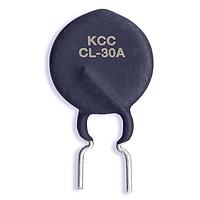
Inrush Current Limiters
Power-up events can place sudden electrical stress on equipment, especially where capacitors, DC input stages, or battery-connected loads draw a brief but very high startup current. Choosing the right Inrush Current Limiters helps reduce that surge, protecting upstream devices and improving overall circuit reliability in industrial and commercial systems.
On this category page, you can explore limiter products used in circuit protection applications where controlled startup behavior and fault-current management matter. The range shown here is particularly relevant for engineers, maintenance teams, panel builders, and procurement professionals who need practical options for telecom, lift truck, and other DC power environments.
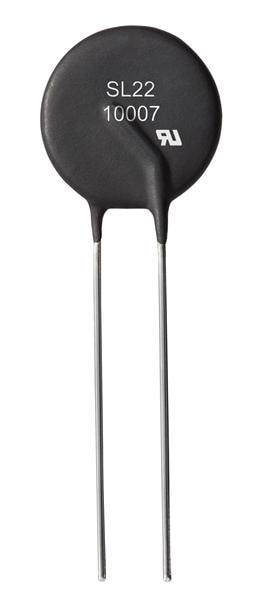
Why inrush current limiting matters in real applications
Inrush current is the temporary surge that occurs the moment power is applied. Even when the normal operating current is well within design limits, startup current can be much higher for a short period. Without suitable protection, that surge can stress conductors, damage sensitive components, nuisance-trip protective devices, or shorten service life.
In industrial systems, this issue often appears in power distribution assemblies, telecom equipment, DC circuits, and mobile electrical systems. A properly selected limiter supports controlled current interruption and helps coordinate protection across the circuit, especially when paired with related components such as fuse holders or mounting hardware designed for the same protection architecture.
What to expect from this product category
This category focuses on limiter devices used as part of a broader circuit protection strategy. Depending on the design, these products may be selected by current rating, mounting style, form factor, fuse construction, application environment, and DC voltage level. For buyers comparing options, the most important step is to match the limiter to the actual electrical behavior of the circuit rather than selecting by current alone.
Several products in this range are from Eaton, including ANN, ANL, and TPL-series examples. These illustrate how limiter solutions can be offered in different physical formats and ratings for different use cases, from general DC protection to application-specific installations in telecom or lift truck systems.
Examples from the available range
For straightforward current-rated selection, models such as the Eaton ANN-80 Limiter, Eaton ANN-90 Limiter, Eaton ANN-175 Limiter, and Eaton ANN-200 Limiter represent a simple way to compare nominal current levels within the same general limiter family. This can be useful when a design team already knows the operating envelope and needs to align protection with the cable size, source capability, and expected transient behavior.
Other products in the category show more application-oriented variation. The Eaton ANL-50, ANL-60, ANL-100, ANL-130, ANL-600, and ANL-675 limiters are presented for lift truck use, while TPL-BF Fuse Limiter 150A 170V and Eaton TPL-BG Limiter are associated with telecom-oriented applications. These examples highlight an important point: mechanical format and intended use can be just as important as the current rating when selecting a protection device.
Key selection criteria for engineers and buyers
The first parameter to verify is the rated current in relation to both steady-state load and startup conditions. Undersizing can lead to unnecessary replacement or unexpected interruption, while oversizing may reduce the effectiveness of the protection scheme. In DC systems, voltage rating and interrupting capability are also critical because the device must safely manage the available fault energy in the circuit.
Mechanical and installation factors should be checked next. This includes bolt-mount requirements, package dimensions, fuse type, and compatibility with the surrounding assembly. If your design also requires retention or serviceable mounting parts, it can be helpful to review related items such as fuse clips where appropriate for the broader protection layout.
Application fit: telecom, lift truck, and DC protection systems
Not every limiter is intended for the same operating environment. In the products listed here, telecom-focused models such as TPL-BF and TPL-BG are presented with higher DC voltage capability and substantial breaking capacity, which makes them relevant where network power systems or DC distribution equipment require robust protection characteristics.
By contrast, the ANL series examples are positioned for lift truck use, where compact bolt-mount installation and high-speed cutoff behavior are relevant in battery-powered equipment. In these environments, application-specific selection is important because vibration, service access, conductor routing, and load cycling can influence which limiter style is most practical over time.
How limiter products fit into a broader protection strategy
Inrush current limiters are rarely chosen in isolation. They form part of a larger protection and power-distribution design that may include holders, accessories, connection hardware, and coordinated replacement parts. For maintenance planning or new equipment builds, it can also make sense to review circuit protection kits when a more complete solution is needed around the protected line.
Good coordination across the protection chain helps reduce troubleshooting time and supports safer servicing. The goal is not simply to stop overcurrent events, but to ensure the device selected works predictably within the actual operating conditions of the equipment.
What to compare before placing an order
Before purchasing, confirm the electrical rating, application type, mounting method, and physical size against your drawing or replacement reference. In replacement scenarios, it is also worth checking whether the existing device was selected for normal load current only, or whether it was chosen to address startup surge, fault interruption, and environmental demands together.
If you are sourcing for OEM production, MRO inventory, or project-based panel assembly, comparing a few representative parts from the same family can make the selection process more efficient. Reviewing limiter variants alongside manufacturer information such as Eaton Bussmann product lines may also help when standardizing approved brands across multiple projects.
Find the right inrush current limiter for your system
This category brings together limiter options for circuits where startup current and fault protection need to be managed with more precision than a generic replacement can provide. Whether you are maintaining mobile DC equipment, supporting telecom power infrastructure, or specifying components for a new build, the right choice depends on electrical coordination, installation constraints, and the real operating profile of the load.
Use the available product data to narrow the range by current, mounting style, and application context, then compare the models that best match your system requirements. A well-matched limiter can improve protection performance, reduce avoidable downtime, and support more reliable operation across the full power path.
Get exclusive volume discounts, bulk pricing updates, and new product alerts delivered directly to your inbox.
By subscribing, you agree to our Terms of Service and Privacy Policy.
Direct access to our certified experts