NTC-Type Temperature Sensor
Accurate temperature feedback is essential in food handling, HVAC checks, environmental monitoring, and many everyday industrial measurement tasks. When stable response, practical probe formats, and dependable low-to-medium temperature performance matter, NTC-Type Temperature Sensor solutions are a widely used choice across portable instruments and application-specific sensing points.
On this page, you can explore probe-style NTC sensors suited to contact measurement, air measurement, surface checks, and humidity-related applications. The category is especially relevant for users looking for compact sensing elements with good accuracy in common operating ranges, including food inspection, refrigerated storage, and general process verification.
Why NTC sensors are widely used
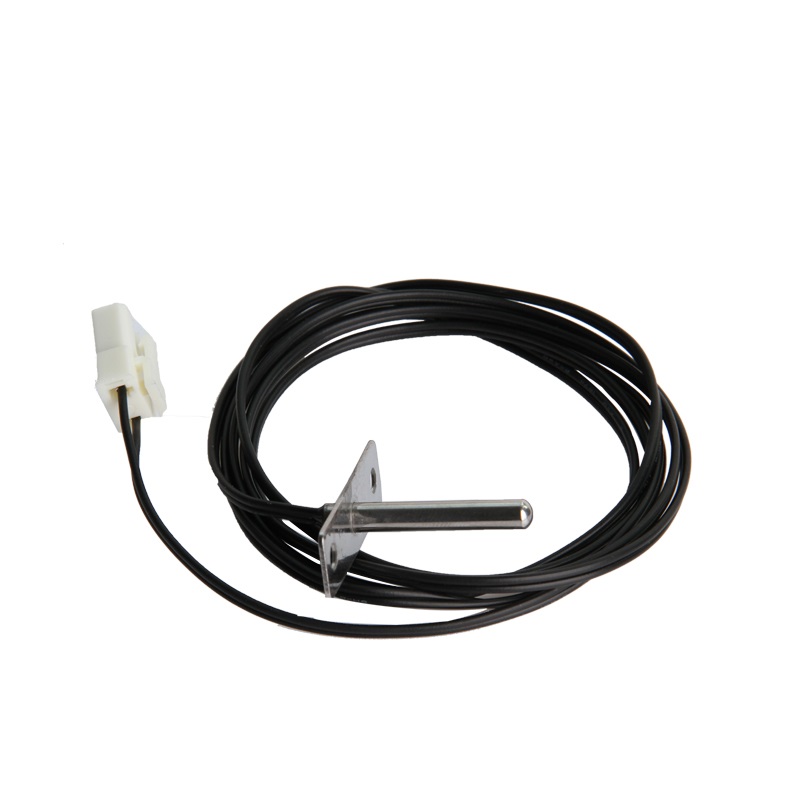
An NTC thermistor changes its resistance as temperature changes, with resistance decreasing as temperature rises. This measuring principle is common in handheld instruments and probe assemblies because it supports reliable temperature measurement with strong sensitivity in typical operating ranges.
In practice, NTC sensors are often selected for applications where users need fast checks, repeatable readings, and compact probe construction rather than extreme-temperature capability. If you are comparing sensing technologies, it may also be useful to review broader industrial temperature sensors for fixed-installation and process-oriented environments.
Typical applications for this category
This category fits many routine measurement tasks where direct contact or localized sensing is required. Common examples include food core temperature checks, frozen product inspection, air temperature monitoring in conditioned spaces, and surface temperature measurement on equipment or materials.
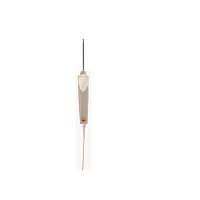
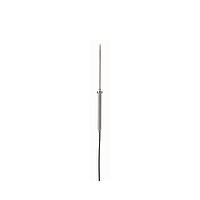
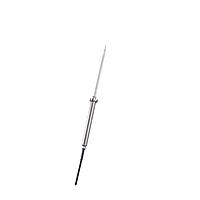
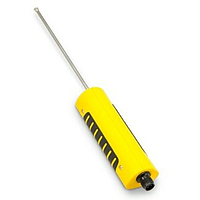
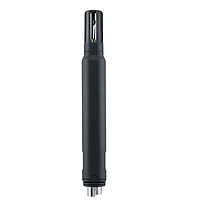
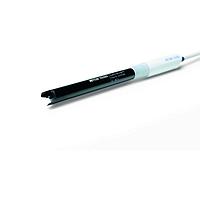
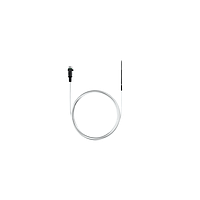
Several products in this range reflect those use cases clearly. The TESTO 0613 3211 Frozen Food Probe is designed for low-temperature food measurement, while the TESTO 0613 3311 Waterproof Stainless Steel Food Probe and TESTO 0614 2211 Stainless Steel Food Probe are suited to food-related spot checks where probe durability and hygiene-friendly materials are important. For ambient measurement, the TESTO 0614 1712 Precise Air Probe addresses air sensing tasks, and the Trotec TS 131 SDI Temperature sensor supports surface temperature measurement.
Common probe styles and what they are used for
Not all NTC sensors are built the same, even when they rely on the same measuring principle. Probe geometry, shaft length, tip diameter, cable arrangement, and housing materials all affect how the sensor performs in real use.
Insertion probes are often chosen for food, liquids, and semi-solid materials because the sensing tip can reach the measurement point directly. Surface probes are more suitable when you need to check the temperature of housings, plates, pipelines, or machine surfaces. Air probes, by contrast, are designed for faster interaction with the surrounding atmosphere rather than with solid materials.
There are also specialized formats that support broader measurement workflows. For example, the TESTO 0636 2135 Thin Humidity Probe combines humidity sensing with temperature measurement, making it useful when both parameters influence process quality or environmental conditions.
Key selection criteria before you buy
Choosing the right sensor starts with the measurement task, not only the temperature range. Consider whether you need to measure a product core, a surface, open air, or a controlled indoor environment. From there, review the required response time, probe size, cable length, and protection level for the conditions on site.
Temperature range and accuracy should be matched to the actual process window. For instance, frozen food inspection may require sub-zero capability, while indoor ambient checks may prioritize tighter accuracy in a narrower range. Stainless steel probe construction can be beneficial in food and cleaning-sensitive environments, while protection classes such as IP65 or IP67 can be relevant where splashes or washdown exposure are expected.
If your application depends specifically on thermistor behavior, comparing this category with a broader thermistor sensor range can help clarify whether a dedicated NTC probe or another thermistor-based format is the better fit.
Featured brands and representative products
TESTO is strongly represented in this category with several probe options tailored to field measurement. Examples include the TESTO 0613 3211 for frozen food checks, the TESTO 0613 3311 waterproof probe for food applications requiring a robust stainless steel design, and the TESTO 0572 2153 connectable temperature probe for general temperature measurement in a moderate range.
Trotec also appears in this category with the TS 131 SDI Temperature sensor, a probe intended for surface temperature measurement. Together, these products illustrate that NTC sensors are not limited to one form factor; they can support insertion, surface, air, and environmental measurement depending on probe design and instrument compatibility.
How NTC sensors compare with other temperature sensing options
NTC probes are often preferred when users want strong sensitivity and practical accuracy in everyday measurement ranges. They are especially common in portable inspection tools and application-specific probes where ease of use matters as much as the reading itself.
Other sensor types may be more suitable in different conditions. For example, K-type temperature sensors are frequently considered for higher-temperature measurement or broader thermocouple applications. By contrast, NTC-based solutions are usually chosen for lower to moderate ranges where stable, localized measurement is the priority.
Points to consider in food, HVAC, and facility use
In food applications, probe tip size, shaft material, and cleanability can directly affect usability. A slim stainless steel shaft can help with product penetration and practical handling during routine checks, while waterproof construction may be useful in environments with regular cleaning or wet handling conditions.
In HVAC and facility work, the decision often depends on whether the target is air, surface, or combined humidity and temperature measurement. An air probe such as the TESTO 0614 1712 is more appropriate for ambient readings than an insertion probe, while a thin humidity probe can support checks in ducts, rooms, or controlled spaces where both variables need attention.
Finding the right NTC-type temperature sensor
The best choice usually comes down to matching the sensor format to the measurement point. A frozen food probe is not interchangeable with an air probe in real working conditions, even if both are based on NTC sensing. Looking at response time, mechanical design, environmental protection, and the intended medium will help narrow the options faster than comparing model names alone.
This category brings together practical NTC-based probes for measurement tasks that require reliable temperature feedback in day-to-day industrial, facility, and food-related work. If you already know your target medium and operating range, it becomes much easier to select a sensor that fits both the instrument and the job.
Get exclusive volume discounts, bulk pricing updates, and new product alerts delivered directly to your inbox.
By subscribing, you agree to our Terms of Service and Privacy Policy.
Direct access to our certified experts