After nearly a month of the nationwide rollout of E10 gasoline, air quality in Hanoi has drawn significant attention. According to a report by the task force implementing Circular 50/2025 (Ministry of Industry and Trade) which utilized monitoring data from the Department of Environment (Ministry of Agriculture and Environment) many pollution indicators have shown a downward trend compared to late May.
While these results offer a positive sign, they also raise a noteworthy question: is the improvement in Hanoi's air quality solely attributable to E10 gasoline, or are other factors also at play?

What changes do the monitoring data record?
According to a report released in early July, Hanoi recorded:
+ A decrease of approximately 31% in PM2.5 levels
+ A decrease of approximately 29.6% in PM10 levels
In Ho Chi Minh City, levels of particulate matter and pollutants such as CO, NO₂, NOx, SO₂, and O₃ also showed a downward trend during the same period.
The report also notes that Hanoi is currently undertaking numerous large-scale transport and construction projects. As these emission sources continue to impact air quality, monitoring data should be evaluated alongside various other factors rather than being attributed to a single, isolated cause.
Does a drop in PM2.5 mean air quality has improved?

PM2.5 is consistently regarded as a critical indicator because these minute particles can easily penetrate deep into the respiratory system. However, air quality is not assessed based on PM2.5 alone.
An environmental monitoring program typically tracks multiple parameters simultaneously, such as:
PM2.5
PM10
CO
NO₂
NOx
SO₂
O₃
Each indicator reflects a different set of emission sources. There are times when particulate matter levels decrease while concentrations of gaseous pollutants rise, or vice versa. Consequently, regulatory agencies always conduct a comprehensive analysis of all data before evaluating air quality trends.
Read more to gain a better understanding of the PM2.5 index and similar indicators: Key Differences Between PM10, PM2.5, PM1.0, and Ultrafine Particles (UFP)
How can E10 gasoline affect air quality?
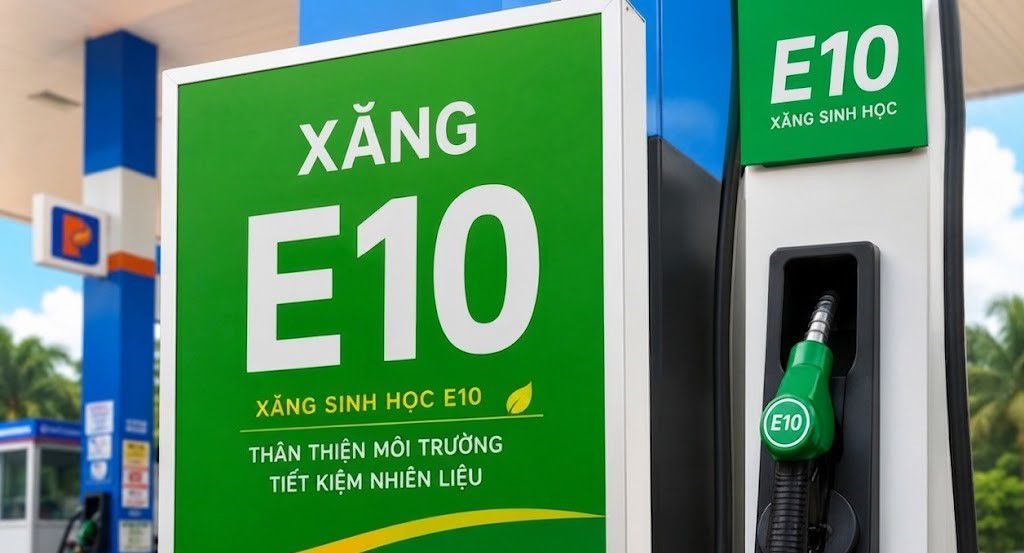
E10 gasoline is a fuel blend consisting of approximately 10% bio-ethanol mixed with conventional gasoline. Numerous studies indicate that this fuel can reduce emissions of certain pollutants during engine combustion.
However, the extent of these changes depends on various factors, such as vehicle characteristics, traffic density, weather conditions, wind speed, rainfall, and emissions from construction and industrial activities.
Consequently, while monitoring data from the initial implementation phase shows a positive trend, long-term observation is still required to gain a comprehensive understanding. Beyond concerns regarding emissions and air quality, many people also wonder whether E10 gasoline causes issues like power loss or engine stalling. This topic was frequently discussed during the initial transition period, and we have analyzed it in detail in our article: Power Loss and Engine Stalling When Switching to E10 Gasoline: Fact or Fiction?
Why is environmental monitoring always based on data series?
Environmental indicators fluctuate almost daily. A heavy downpour can rapidly lower dust concentrations, whereas calm weather or temperature inversions can cause dust to accumulate at higher-than-normal levels.
This is why monitoring systems do not assess air quality based on a single measurement. Data is typically collected continuously over days, weeks, or months and then cross-referenced with meteorological conditions and emission sources to determine actual trends.
This approach helps avoid unfounded conclusions that might otherwise arise from relying on just a few readings or a short timeframe.
What role do monitoring devices play?
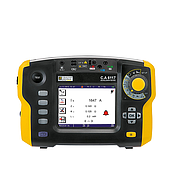
Data on PM2.5, PM10, and gaseous pollutants are not estimated based on visual observation but are recorded by specialized monitoring equipment.
Depending on the intended use, the system may incorporate fine dust monitors, air quality analyzers, multi-parameter gas detectors, or automated environmental monitoring stations. The continuously collected data serves as a foundation for research, environmental monitoring, and the evaluation of the effectiveness of emission reduction solutions.
Conclude
Newly released data indicate positive signs regarding air quality in Hanoi, with concentrations of both PM2.5 and PM10 showing a downward trend following the introduction of E10 gasoline. However, air quality is influenced by a wide range of emission sources and natural conditions; therefore, any assessment must rely on a sufficiently long-term dataset and a comprehensive set of indicators.
Objective measurements provide the essential basis for monitoring air quality trends, evaluating the effectiveness of emission-reduction measures, and formulating appropriate future environmental policies.