How Does an ATS System Keep Factories Running Continuously?
An ATS (Automatic Transfer Switch) is an intelligent device designed to monitor the main power source from the grid and automatically switch to a backup power source upon detecting a power outage or irregularities in voltage or frequency. Once the main power stabilizes, the ATS automatically switches back to the grid without any manual intervention.
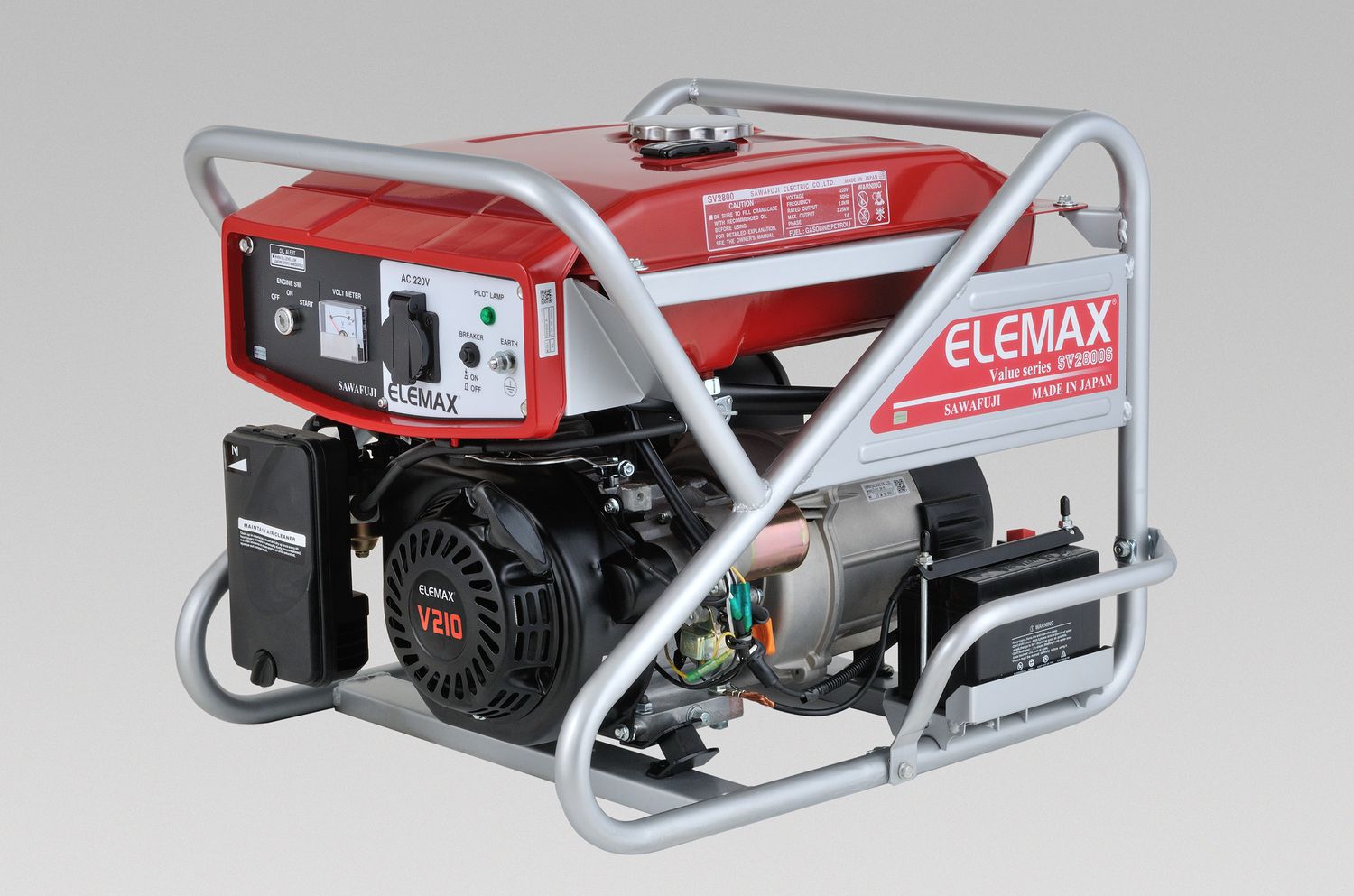
Imagine at your home or production facility: when grid power is lost, the controller within the ATS quickly detects the issue and automatically starts the diesel generator - such as the Elemax SV2800 Generator with its 2kVA capacity and durable performance. The ATS then transfers the power source to the generator to supply electricity to the load, so you don't have to wait or intervene manually. This process typically takes just a few seconds, depending on the generator type and system configuration, thereby maintaining continuous production operations.

Additionally, the ATS system features sensors and protective relays to comprehensively monitor power conditions, preventing unstable switching that could damage equipment. If grid power returns and remains stable for a set period (usually 30 seconds to a few minutes), the ATS switches back to using grid power and safely shuts down the generator, saving fuel and ensuring effective generator maintenance.
Where Does Backup Power for the ATS System Come From?
Backup power in an ATS system is typically supplied by generators, such as diesel or gasoline generators, with capacities matched to usage needs. A prime example is the Elemax SV2800 Generator - a popular model with a 2kVA capacity. It is compact yet operates stably, making it suitable as a backup source for ATS systems in homes or small workshops.
Furthermore, backup power can be sourced from energy storage systems like battery banks or lithium batteries in solar power systems or UPS (Uninterruptible Power Supply) units. In cases where these sources are integrated with the ATS, when grid power is lost or insufficient, the ATS will automatically switch to using this backup source to provide continuous power.
Crucially, the ATS system must be designed in synchronization with the backup power source to ensure short transfer times and avoid load interruption. You also need to pay attention to technical specifications regarding voltage, frequency, and capacity of the backup source to ensure it aligns reasonably with the load requirements.
Conclusion
The ATS system plays a pivotal role in keeping your machinery and equipment running continuously without interruption due to power outages. Understanding the operating principles, how the ATS switches between the main power and backup power, and selecting the appropriate backup source will help you effectively optimize your electrical system.