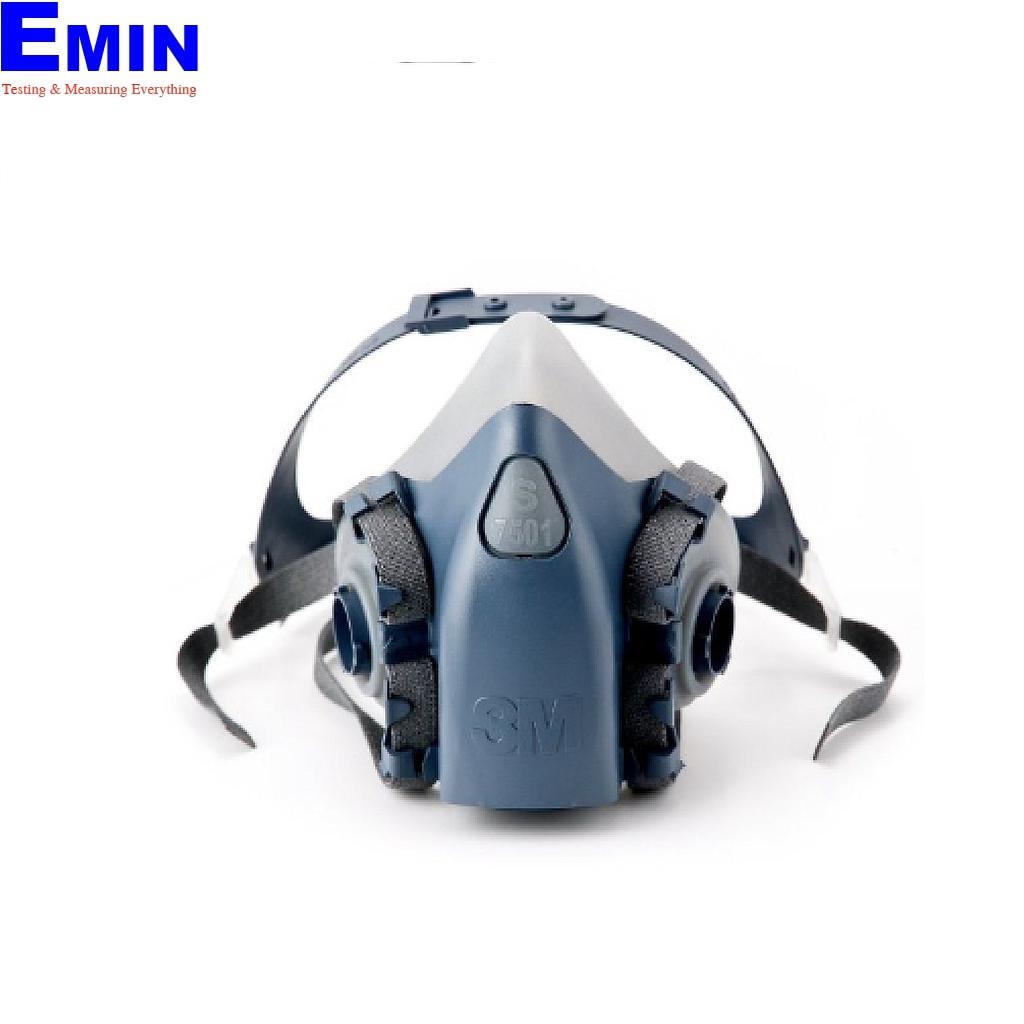
Safety mask
Respiratory protection becomes critical whenever dust, fumes, vapors, or airborne particles are part of the job. In manufacturing, maintenance, welding, construction, food processing, and oil & gas environments, choosing the right Safety mask setup helps improve worker protection while supporting comfort during long shifts.
This category focuses on reusable masks, cartridges, particulate filters, and related accessories used in industrial settings. Alongside respiratory products, some workplaces also combine face and head protection such as welding helmets, especially when grinding, cutting, or welding tasks generate both inhalation hazards and eye hazards.
Where safety masks are commonly used
Industrial respiratory protection is not limited to one sector. It is widely used in general manufacturing, facility sanitation, industrial maintenance, mining, transportation, marine applications, and process environments where airborne contaminants may be present. The exact protection method depends on whether the risk comes from particulates, organic vapors, or a combination of both.
In many facilities, a mask is only one part of a broader PPE strategy. For example, electrical work may also require insulating gloves and boots, while emergency preparedness may involve keeping first aid supplies accessible near active work zones.
Typical product types in this category
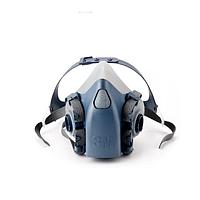
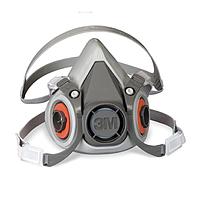
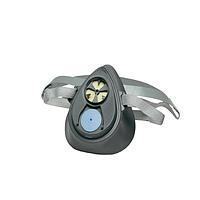
This range includes half face respirators, replaceable cartridges, particulate filters, retainers, and filter holders. Reusable half masks are often selected when users need a more durable option than disposable respiratory protection and when the application requires matching the facepiece with the appropriate filter media.
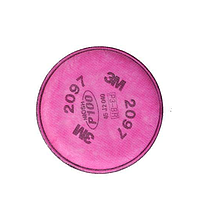
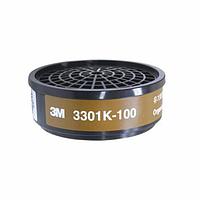
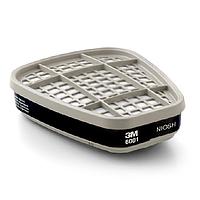
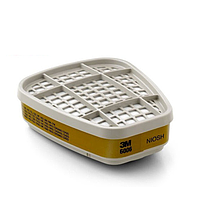
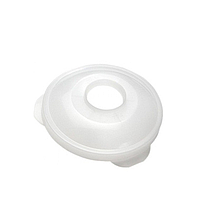
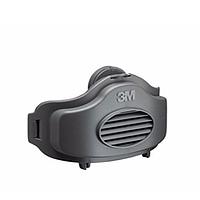
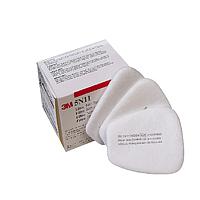
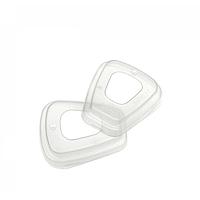
Examples in this category include the 3M HF-51 Half face Mask for Respiratory Protection, 3M HF52 Half face mask for respiratory protection, 3M 6501QL Mask with Quick Settings, and the 3M 7502 Half face mask. Supporting components such as the 3M 2097 Cartridge, 3M 6001 ORGANIC VAPOR CARTRIDGE, 3M 5N11 Particulate Filter, 3M 501 Filter Retainer, and 3M 3700 FILTER HOLDER help build a complete and application-specific respiratory setup.
How filters, cartridges, and accessories work together
A reusable respirator system usually consists of the facepiece itself plus the filtration elements needed for the task. In practical terms, the mask provides the seal to the face, while the cartridge or filter is chosen based on the airborne hazard. This is why compatibility between components matters as much as the mask body.
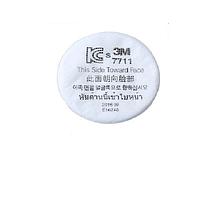
For particulate-focused applications, products such as the 3M 2097 Cartridge or 3M 5N11 Particulate Filter may be relevant, depending on the configuration required. Accessories like the 3M 501 Filter Retainer, 3M 774 filter cotton cover, and 3M 3700 FILTER HOLDER support installation and retention of filter elements, helping users assemble a system that matches the intended use rather than relying on a one-size-fits-all approach.
Choosing a safety mask for your application
The first step is identifying the airborne hazard. Dust and non-oil particulates, fine particles from industrial operations, and organic vapors are different exposure categories, so they should not be treated the same. A cartridge designed for organic vapors serves a different purpose than a particulate filter, and some tasks may call for layered configurations using retainers and prefilters.
The second step is wearability. Features such as silicone facepieces, low breathing resistance, and valve design can affect comfort, especially during extended use. Models such as the 3M HF-51, 3M HF52, 3M 6501QL, and 3M 7502 are often considered when users want reusable respiratory protection that balances fit, durability, and day-to-day usability.
Fit, comfort, and operational practicality
In real industrial environments, comfort directly affects whether respiratory protection is worn correctly and consistently. A stable face seal, manageable breathing resistance, and a design that works with other PPE can make a substantial difference in routine operations. This is particularly important in maintenance, fabrication, and site work where users frequently move between active and standby tasks.
Some reusable half masks are designed to improve breathing comfort and reduce heat or moisture buildup during use. Quick-release or quick-latch concepts can also be useful where workers need to remove and refit the mask without fully removing surrounding protective gear. These practical details are often just as important as the filter specification when selecting equipment for repeated daily use.
Safety masks in welding and multi-hazard work areas
Some job sites involve more than one type of risk at the same workstation. Welding, cutting, and grinding may require respiratory protection together with eye and face protection. In these environments, compact respirator designs can be helpful when used alongside equipment such as the YATO YT-73921 Auto-darkening welding helmet.
When planning PPE for these tasks, it helps to think in terms of a complete protection system rather than individual items in isolation. Respiratory equipment should work with the rest of the user’s PPE, including helmets, goggles, gloves, and other protective elements required by the process.
Why compatibility matters in reusable respiratory systems
One of the most important considerations in this category is component compatibility. A facepiece, cartridge, filter, retainer, and holder are part of the same system logic, and mismatched parts can reduce usability or create unnecessary purchasing errors. That is why many buyers prefer to source masks and accessories within a clearly identified product ecosystem.
For procurement teams and maintenance departments, this also makes replenishment easier. Once a facepiece platform is standardized, replacement items such as particulate filters, retainers, and vapor cartridges can be selected more efficiently for recurring operational needs.
Finding the right option for your workplace
This category is suitable for buyers looking for reusable respiratory protection, replacement filters, and mask accessories for industrial use. Whether the need is particulate filtration, organic vapor protection, or a configurable mask-and-filter arrangement, the best choice depends on the hazard type, the work duration, and compatibility with the rest of the PPE worn on site.
If you are comparing options, focus on the facepiece style, filter or cartridge type, comfort features, and system compatibility first. That approach makes it easier to select safety mask equipment that fits real operating conditions instead of choosing only by product name.
Get exclusive volume discounts, bulk pricing updates, and new product alerts delivered directly to your inbox.
By subscribing, you agree to our Terms of Service and Privacy Policy.
Direct access to our certified experts