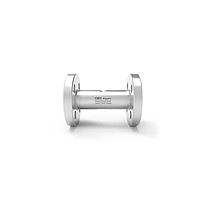
Turbine Flow Meters
When a process requires reliable liquid flow feedback in a compact inline device, turbine technology is often a practical choice. Turbine flow meters are widely used in industrial skids, laboratory systems, dosing lines, utilities, and equipment where stable flow conditions and electronic output signals are important for monitoring or control.
In this category, you can explore turbine meters suited for measuring compatible liquids such as water, oils, alcohols, and other common process media. The range includes compact models with LCD indication, voltage output, and versions that also provide pulse signals for integration with counters, PLCs, and data acquisition systems.
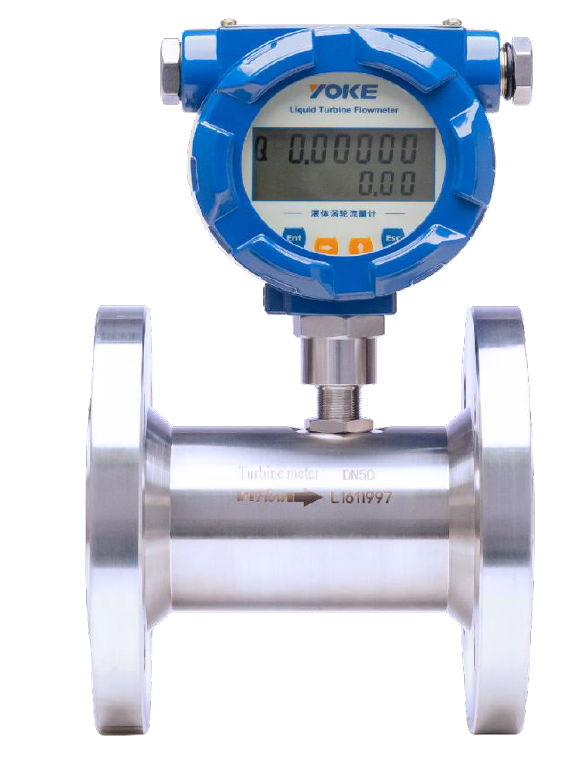
Where turbine flow meters fit in liquid flow measurement
A turbine meter measures flow by using the movement of a rotor or turbo wheel inside the flow path. As liquid passes through the body, the rotor spins at a rate related to the volumetric flow rate, and the sensing element converts that motion into an electrical signal. This makes the technology especially useful where users need a clear, repeatable signal rather than only a visual indication.
Compared with some other flow technologies, turbine meters are often selected for compact installation, fast response, and straightforward signal integration. In applications where conductivity-based measurement is not suitable, users may also compare them with electromagnetic flow meters to determine which sensing principle better matches the process fluid and piping conditions.
Typical configurations available in this category
This selection includes several compact liquid models from Dwyer, covering different flow ranges and output options. Some examples include the Dwyer TFM-LI05, TFM-LI06, TFM-LI07, and TFM-LI09, which combine inline measurement with an LCD display and 0 to 5 Vdc output. These are suitable for users who want local viewing together with a simple analog signal for a control panel or monitoring device.
Other models in the category, such as the Dwyer TFM-LP04 and TFM-LP07, add voltage and pulse outputs, which can be useful for systems that need both analog trending and pulse-based totalization. The Dwyer TFP-LP series extends the range for industrial and lab use with compact bodies, low power requirements, and flow ranges suited to lower-volume liquid handling tasks.
How to choose the right turbine flow meter
The first selection factor is the flow range. A meter should operate within the expected normal process window, not just the absolute minimum and maximum values. In this category, available models span from very low gal/h ranges up to higher GPM capacities, so it is important to match the instrument to actual operating conditions rather than only line size.
Next, look at the process connection and pressure conditions. The listed products include 1/4 in and 3/8 in compression fitting connections, with pressure limits that vary by model. If the installation also requires upstream or downstream flow control, it may be helpful to review related flow valves as part of the overall measurement setup.
Signal type is another key decision. Some users only need a 0 to 5 Vdc output for simple analog monitoring, while others benefit from pulse output for counting or interface with controllers. Local indication can also simplify commissioning and troubleshooting, especially on skids or test benches where operators need to confirm flow without opening a cabinet or connecting a separate display.
Media compatibility and installation considerations
These turbine meters are intended for compatible liquids, including water, oils, alcohols, and similar media identified in the product data. As with any flow instrument, material compatibility should be checked carefully against the actual liquid, additives, temperature, and cleaning routine. Wetted materials differ slightly between product families, so that detail matters when moving from a lab fluid to a harsher industrial liquid.
Installation quality has a major effect on performance. Turbine meters generally benefit from clean liquid, stable flow, and piping practices that reduce excessive pulsation or turbulence. If the application includes particles, debris, or a need for mounting hardware and wiring components, related flow measurement accessories may help support a cleaner and more reliable installation.
Examples of product fit by application scale
For lower-flow laboratory or pilot systems, models such as the Dwyer TFP-LP04 or TFM-LP04 can suit small liquid circuits where compact size and signal output are important. These types of meters are often considered when a process needs electronic flow monitoring in low gal/h applications without moving to a much larger inline instrument.
For moderate liquid flows, products such as the Dwyer TFM-LI06 or TFM-LI07 provide a balance between compact mechanical form and practical electrical output. At higher capacities, the Dwyer TFM-LI09 supports substantially larger flow rates, which can make it relevant for larger test loops or process liquid lines where a small-body meter with analog output is still preferred.
Comparing turbine meters with other flow meter types
No single flow technology fits every process. Turbine meters are often chosen where users want a responsive inline device for compatible liquids and where the process can maintain relatively stable, clean conditions. In systems that prioritize direct visual reading, a separate review of indicating flow meters may also be worthwhile.
For some water treatment, utility, or chemical handling applications, engineers may evaluate paddlewheel or electromagnetic designs alongside turbine meters. The best choice depends on fluid properties, flow profile, required output, installation space, and how the instrument will be integrated into the broader control architecture.
What to expect from this category
This category is focused on compact liquid turbine flow meters for users who need measurable, repeatable flow signals in industrial and laboratory environments. The available range covers multiple capacities, different output combinations, and models intended for straightforward panel or system integration.
If you are narrowing down options, start with normal operating flow, liquid compatibility, connection size, and signal requirement. That approach usually makes it easier to identify whether a display-equipped analog model, a pulse-output version, or another flow measurement technology is the better fit for your application.
Get exclusive volume discounts, bulk pricing updates, and new product alerts delivered directly to your inbox.
By subscribing, you agree to our Terms of Service and Privacy Policy.
Direct access to our certified experts