Vacuum Pressure portable
Field technicians, HVAC specialists, maintenance teams, and test engineers often need a fast way to verify vacuum level or low-pressure conditions without relying on a fixed installation. That is where Vacuum Pressure portable instruments become especially useful. These handheld and mobile devices help users check evacuation performance, monitor pressure or vacuum during service work, and troubleshoot systems directly at the point of use.
In practical terms, this category supports work that demands mobility, quick setup, and readable results in the field. Depending on the application, a portable vacuum instrument may be used for refrigeration service, pump and line inspection, general low-pressure measurement, or more specialized electrical testing where vacuum quality inside switchgear components must be verified.
Where portable vacuum pressure instruments are used
Portable vacuum measurement is common in service and maintenance environments where technicians need immediate readings without carrying bulky bench equipment. Typical use cases include checking vacuum during evacuation, confirming leak-related performance issues, and validating whether a system has reached an acceptable low-pressure condition before commissioning or restart.
These instruments are also relevant in broader manometer applications, especially when pressure and vacuum readings need to be compared in multiple units. In some workflows, users may move between general service checks and deeper diagnostics, so portability, battery operation, and unit conversion become important selection factors.
Different device types within this category
Although grouped under one category, portable vacuum pressure devices can serve different measurement tasks. Some are designed for general pressure and vacuum indication, while others focus on micron-level vacuum measurement for evacuation work. There are also instruments developed for specialized industrial or electrical applications where vacuum quality must be assessed under specific test conditions.
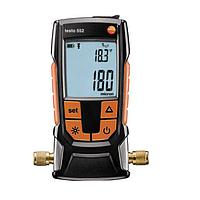
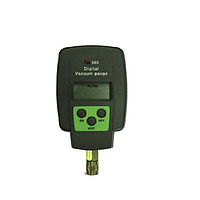
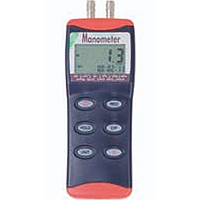
For example, the DaiHan DH.MAN3003 Digital Pressure / Vacuum Manometer is suitable for users who need a compact handheld meter covering pressure and vacuum ranges in several engineering units. By contrast, products such as the TESTO 552 Digital Vacuum/Micron Gauge and TPI 605 Digital Vacuum Gauge are oriented more toward vacuum measurement in micron-based workflows, where tracking the quality of evacuation is essential.
Key selection points before choosing a portable vacuum gauge
The first factor is the measurement range. Not every portable instrument is intended for the same vacuum level or pressure span. Some models are meant for broad low-pressure work, while others provide much finer resolution in microns for applications where small changes matter. Matching the range to the real operating condition helps avoid choosing a device that is either too limited or unnecessarily specialized.
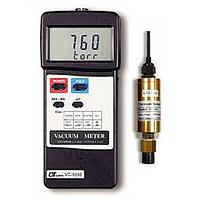
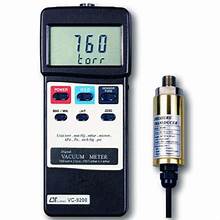
The second point is unit flexibility and readability. Many users work with mbar, Pa, Torr, micron, psi, or inHg depending on industry practice. Instruments such as the LUTRON VC-9200 and several TESTO models support multiple units, which can simplify reporting and reduce conversion errors in the field.
It is also worth checking battery life, environmental protection, and data handling features. Portable instruments are often used in mechanical rooms, rooftops, plant areas, or service vehicles, so practical details such as display clarity, response time, wireless connectivity, and protection rating can matter as much as the measurement specification itself.
Examples from leading manufacturers
Users looking for connected measurement tools will often consider TESTO, particularly for app-enabled and wireless workflows. The TESTO 552i App-controlled Wireless Vacuum Probe is an example of a compact instrument built for mobile use, while the TESTO 552 Digital Vacuum/Micron Gauge suits technicians who want a dedicated handheld vacuum gauge with clear digital readout and support for multiple vacuum units.
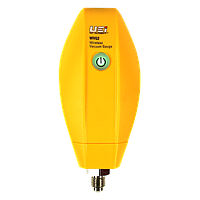
For straightforward portable vacuum measurement, TPI and UEi offer models that fit service-oriented applications. The TPI 605 Digital Vacuum Gauge focuses on micron measurement, while the UEi WVG2 Premium Wireless Vacuum Gauge Probe is suited to users who prefer a wireless probe-based setup. Where a broader pressure/vacuum function is needed in one handheld device, DaiHan and LUTRON provide options that can support more general field diagnostics.
Specialized testing and application-specific instruments
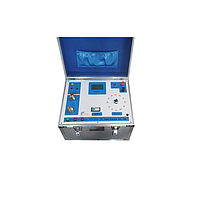
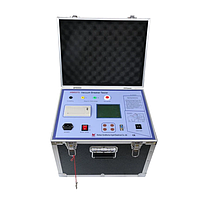
Not all vacuum devices in this category are intended for HVAC or general maintenance. Some instruments are purpose-built for niche industrial tasks. A good example is the EPHIPOT EP-4000 VCB Vacuum Degree Tester, which is intended for testing vacuum conditions in vacuum switch tubes without disassembly. This is a very different application from routine service vacuum measurement, but it still belongs in the wider portable vacuum-testing landscape.
This distinction matters because the right product depends heavily on the process being tested. A technician checking evacuation quality on a service job needs a different tool from an engineer verifying vacuum integrity in electrical equipment. Reviewing the intended use case before comparing displays, connectivity, or accessories usually leads to a better decision.
How portable vacuum tools fit into a broader measurement workflow
Portable vacuum measurement rarely exists in isolation. In many maintenance and commissioning tasks, users also need to monitor adjacent parameters such as pressure, temperature, or humidity. For that reason, it can be helpful to compare this category with related tools in pressure, temperature & humidity monitors when building a more complete field kit.
There is also overlap with handheld devices used for broader portable vacuum pressure measurement tasks, especially where users switch between vacuum verification and low-pressure troubleshooting. A well-matched instrument should fit naturally into the way your team measures, records, and compares field data rather than acting as a standalone tool with limited workflow value.
What to look for in daily field use
For routine work, usability often determines whether an instrument is effective over time. Features such as compact size, stable readings, quick response, and easy hose or fitting connection can make repeated testing faster and more consistent. If the instrument will be carried between job sites, weight and case protection also become practical considerations.
Wireless communication may be useful where readings need to be viewed from a distance or logged into mobile devices. Probe-style models can reduce clutter in some setups, while traditional handheld gauges may be preferred where direct visual confirmation is more important. The best choice depends less on marketing language and more on the actual working environment, measurement habit, and reporting requirement.
Choosing the right category for your application
If your priority is micron-based evacuation verification, focus on dedicated digital vacuum gauges and probes such as the TESTO, TPI, or UEi models listed in this category. If you need a more general handheld meter for pressure and vacuum checks across several units, a device like the DaiHan DH.MAN3003 or LUTRON VC-9200 may be more suitable. For highly specific industrial testing, specialized instruments such as the EPHIPOT EP-4000 should be evaluated according to the exact test object and method.
Overall, this category is best approached by starting with the application, then narrowing by range, units, portability, and data features. That makes it easier to select a portable vacuum pressure instrument that supports real field work efficiently and reliably, whether the goal is service diagnostics, process verification, or specialized test measurement.
Get exclusive volume discounts, bulk pricing updates, and new product alerts delivered directly to your inbox.
By subscribing, you agree to our Terms of Service and Privacy Policy.
Direct access to our certified experts