According to current regulations, any act of driving under the influence of alcohol in the blood or breath is punishable, regardless of whether it is a weekday or a holiday. These regulations will continue to be strictly enforced during the Lunar New Year holiday in 2026.
The provisions on penalties for drunk driving apply to drivers of cars, motorcycles, bicycles, non-motorized vehicles, and certain other vehicles when participating in traffic, in accordance with the scope of Decree 168/2024/ND-CP.
Strict penalties for drunk driving in cars and motorcycles
According to the Decree, violations of alcohol concentration limits while driving motor vehicles are subject to severe penalties, along with additional forms of punishment.
For car drivers, violations involving high alcohol concentration levels or failure to comply with requests for alcohol concentration testing by law enforcement may result in fines of up to 40 million VND and the suspension of their driver's license for a specified period.
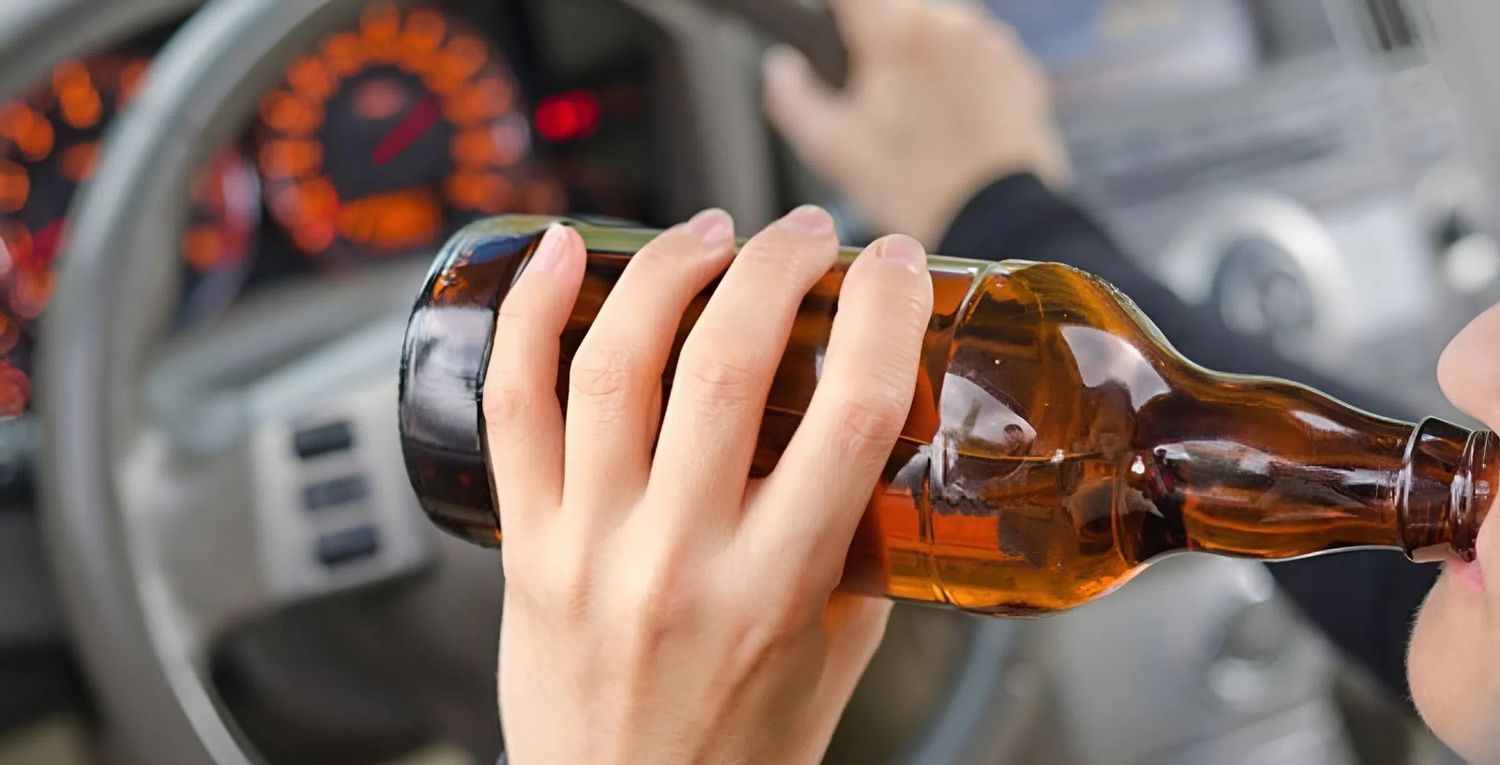
For motorcyclists, the fine for violating alcohol concentration limits or refusing to undergo an alcohol test can be up to 8-10 million VND, along with the revocation of their driver's license as per current regulations.
The decision to impose the penalty is based on the actual alcohol concentration measurement results and related circumstances, ensuring compliance with the procedures and regulations stipulated by law.
Penalties for drunk driving on bicycles and other non-motorized vehicles
Not only motorized vehicles, but also cyclists and drivers of non-motorized vehicles who violate traffic regulations related to alcohol levels or fail to comply with inspection requests from law enforcement will be subject to administrative penalties.
The penalties for this group of vehicles are lower than those for motorized vehicles; however, they are still applied to raise awareness of law compliance and ensure overall traffic safety.
Reference: Which breathalyzer do traffic police use? Top 3 most popular breathalyzers currently available
Increased alcohol testing during Tet holiday
During the 2026 Lunar New Year holiday, traffic police forces organized mobile task forces in combination with fixed checkpoints on national highways, inter-provincial roads, and urban areas. Alcohol testing was conducted continuously, focusing on hours and locations with a high risk of violations.
The testing process was conducted openly and transparently. Alcohol concentration measurements were recorded directly and used as the basis for issuing violation notices in accordance with regulations, ensuring no exceptions in the enforcement process.
Proactively prevent drunk driving violations
In reality, many violations stem from a subjective mindset, believing that drinking a small amount of alcohol or resting sufficiently before driving will not result in penalties. However, alcohol concentration tests can still exceed the permissible limit, leading to penalties according to regulations
In light of increasingly stricter regulations, many road users are proactively checking their blood alcohol levels before driving to minimize the risk of violations. Self-checking provides drivers with more information to make informed decisions, especially during the Lunar New Year holiday.
Additionally, some people choose to equip themselves with breathalyzers for quick checks before heading out. These devices allow users to be more proactive in monitoring their own alcohol levels, thereby avoiding unwanted penalties.
You can refer to Alcofind AF-33 or EMIN's Fuel Cell sensor range to check your fuel level at home to be sure before taking your bike out on the road.
Stricter checks and penalties for drunk driving during the 2026 Lunar New Year holiday are key measures aimed at reducing traffic accidents and improving traffic safety awareness among road users. Current regulations focus not only on penalties but also on changing habits regarding alcohol consumption while driving, contributing to community safety during the New Year period.
Related Questions:
What is the procedure for alcohol testing by traffic police?
Traffic police stop vehicles according to plan or special campaigns, and ask drivers to blow into a breathalyzer. The equipment used is a specialized, calibrated breathalyzer. The results are displayed directly, and a report is filed if the level exceeds the permitted limit.
When are alcohol testing usually conducted?
Alcohol testing can take place at any time of day. Authorities often increase testing in the evenings, at night, and during holidays and Tet (Lunar New Year) when the demand for alcohol is higher.
How is the nationwide alcohol testing campaign conducted?
The nationwide alcohol testing campaign is being implemented under the direction of the Ministry of Public Security. Local authorities are simultaneously setting up checkpoints, focusing on densely populated areas and key routes.
What is the significance of increased alcohol testing?
Increased testing helps reduce traffic accidents related to alcohol consumption. This measure also creates a deterrent effect and raises awareness among road users.
Is it possible to test blood alcohol levels online?
Currently, there is no legal form of online blood alcohol testing.
What are the new regulations regarding blood alcohol testing?
According to current regulations, drivers are not allowed to have any alcohol in their blood or breath. Penalties are increased depending on the measured alcohol level and the type of vehicle being driven.
When will nationwide traffic police conduct simultaneous alcohol testing campaigns?
These simultaneous campaigns usually take place as part of specific campaigns or during peak periods to ensure traffic safety, especially during holidays, Tet the year-end peak season.