Electrophoresis Systems
Separating DNA, RNA, or protein samples reliably starts with a stable workflow and the right bench equipment. In many labs, that means choosing an Electrophoresis System that matches gel size, sample volume, run control requirements, and the surrounding preparation process. This category brings together compact and general-purpose systems used for routine molecular biology work, from gel casting and sample loading to power delivery and downstream blotting steps.
Built for everyday gel separation workflows
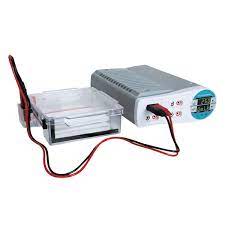
Electrophoresis systems are used to separate charged biomolecules through a gel matrix under an applied electric field. In practice, selection often depends less on theory and more on day-to-day lab needs: how many samples are processed at once, how much bench space is available, whether the lab runs small teaching batches or frequent routine analysis, and how much control is needed over voltage or current.
This category includes systems suited to compact gel formats as well as larger tanks for broader sample handling. It also covers related devices that support transfer and hybridization workflows, helping buyers evaluate not just a single instrument, but the wider application environment around gel electrophoresis.
Representative systems in this category
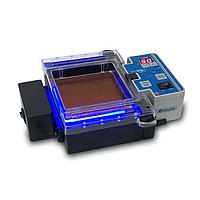
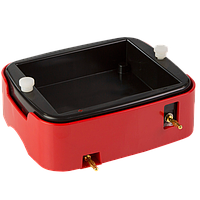
For straightforward agarose gel work, JEIOtech offers a practical range including the JEIOTECH EP-05, EP-10, and EP-18. These models illustrate how tank capacity can scale from compact formats up to larger buffer volumes, making them relevant for labs that need to balance throughput with footprint. Their construction materials and layout are aligned with standard wet-lab handling for repeated use.
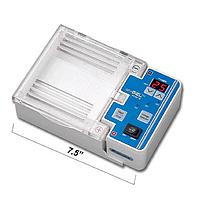
On the compact application side, TAITEC models such as Pico-1, Pico-2, Pico-96, and Pico-192 show another selection path: choosing according to gel size and sample arrangement. Some configurations are designed for smaller gels, while others support larger formats or higher sample counts, which can be useful in screening, teaching, or routine comparison runs. For buyers evaluating brand ecosystems, it is also useful to review the broader TAITEC product range alongside individual devices.
Why the power supply matters as much as the tank
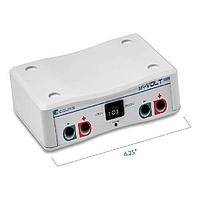
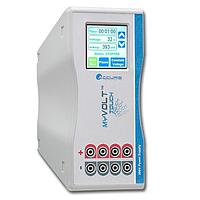
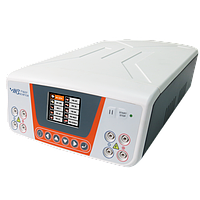
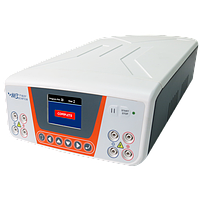
The electrophoresis chamber is only one part of a working setup. A suitable power supply determines how consistently the run is controlled, especially when protocols require either constant voltage or constant current operation. Stable output, practical timer functions, and easy monitoring all contribute to repeatable separation and reduced operator intervention.
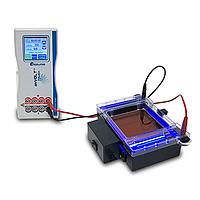
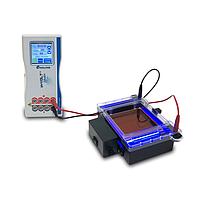
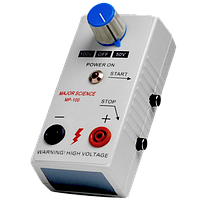
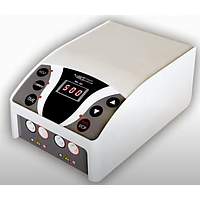
A representative example in this category is the JEIOTECH EPS-300 power supply, which highlights the kind of control many laboratories look for in routine electrophoresis work. When selecting a system, it is worth checking whether the chamber is bundled with a power unit or requires one separately, since that directly affects installation, compatibility, and total project scope.
How to choose the right setup
The first decision is usually gel format and sample throughput. Small-format systems can be a better fit for limited sample numbers, quick checks, or space-constrained benches. Larger tanks or broader gel formats are often preferred when multiple samples need to be compared in a single run or when standardization across a team matters more than minimum footprint.
The second point is workflow integration. Buyers should consider whether they need only the separation tank, or a more complete path that includes gel preparation accessories, integrated or compact power delivery, and transfer-related devices. In labs that regularly move from gel separation into membrane transfer or hybridization, related blotting equipment can also be part of the purchasing decision rather than an afterthought.
Finally, think about operational consistency. Features such as easy-to-handle trays, practical comb layouts, and clear run control can reduce setup variability between users. This is particularly important in shared labs, teaching environments, and quality-driven workflows where repeatability matters as much as raw capacity.
From separation to transfer: related blotting applications
Some products listed in this category extend beyond the electrophoresis run itself and support transfer steps used in hybridization workflows. TAITEC pad type blotter and G Capillary Blotter sets are examples of equipment that fit into the post-separation stage, where material is transferred from gel to another medium for further analysis.
This matters from a category perspective because many buyers are not sourcing a single instrument in isolation. They are building or expanding a process. Looking at electrophoresis together with transfer-related accessories can make procurement more efficient and help ensure compatibility across adjacent lab tasks.
Manufacturer options and purchasing context
JEIOtech is one of the key names represented here, with chamber and power-supply options that suit common laboratory electrophoresis requirements. TAITEC adds compact-format and blotting-oriented solutions that can be useful where gel size, sample layout, or downstream handling is a deciding factor. The category context may also be relevant to buyers comparing brands such as Benchmark or Major Science, depending on their lab standardization strategy.
For procurement teams, the most useful comparison is rarely brand name alone. It is better to compare by intended use: compact versus larger gel format, bundled versus separate power supply, routine separation versus a workflow that also includes transfer steps, and single-user operation versus multi-user lab environments.
What to review before ordering
Before finalizing an order, confirm the essentials: gel dimensions, buffer capacity, expected sample count, electrical compatibility, and whether the system includes all required components for immediate use. In some cases, a compact electrophoresis apparatus may include its own power unit, while in others a separate supply is needed. That distinction can affect both budget planning and installation readiness.
It is also helpful to align the purchase with surrounding laboratory needs. If the same workspace is being equipped for broader bench activity, related categories such as laboratory apparels may support safer and more complete lab setup planning. The goal is not simply to buy a tank, but to equip a reliable workflow with the right level of control and usability.
Choosing with application in mind
A good electrophoresis setup should support the way your lab actually works, whether that means compact runs, larger gel handling, or a process that continues into blotting and hybridization. The products in this category reflect those different needs through a mix of tank capacities, gel formats, and control options.
By comparing system size, run control, and workflow fit rather than focusing only on price or model count, buyers can narrow the selection more effectively. For laboratories seeking dependable equipment for routine molecular separation tasks, this category provides a practical starting point for evaluating the right electrophoresis solution.
Get exclusive volume discounts, bulk pricing updates, and new product alerts delivered directly to your inbox.
By subscribing, you agree to our Terms of Service and Privacy Policy.
Direct access to our certified experts