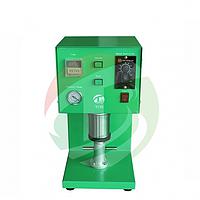
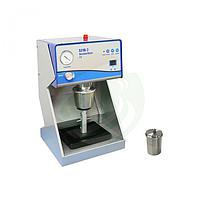
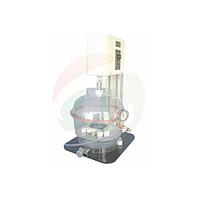
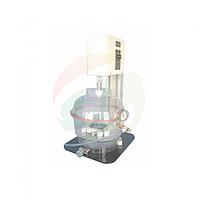
Centrifugal Mixer
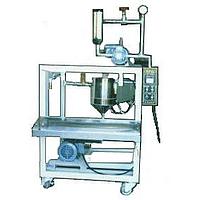
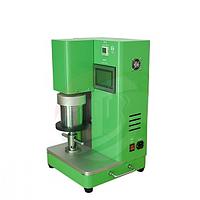
Uniform blending is critical when working with viscous materials, fine powders, pastes, suspensions, or small-volume laboratory samples. In these situations, a Centrifugal Mixer can provide fast and repeatable mixing by combining rotation and revolution to move material efficiently through the vessel without relying on a simple stir bar or manual agitation.
This category is suitable for laboratories, electronics assembly, research environments, and production workflows that need controlled sample preparation, degassing support, or consistent batch-to-batch results. Depending on the application, users may be looking for compact lab mixers for microplates and tubes, planetary-style systems for more demanding materials, or vacuum-assisted mixing equipment for sensitive compounds.
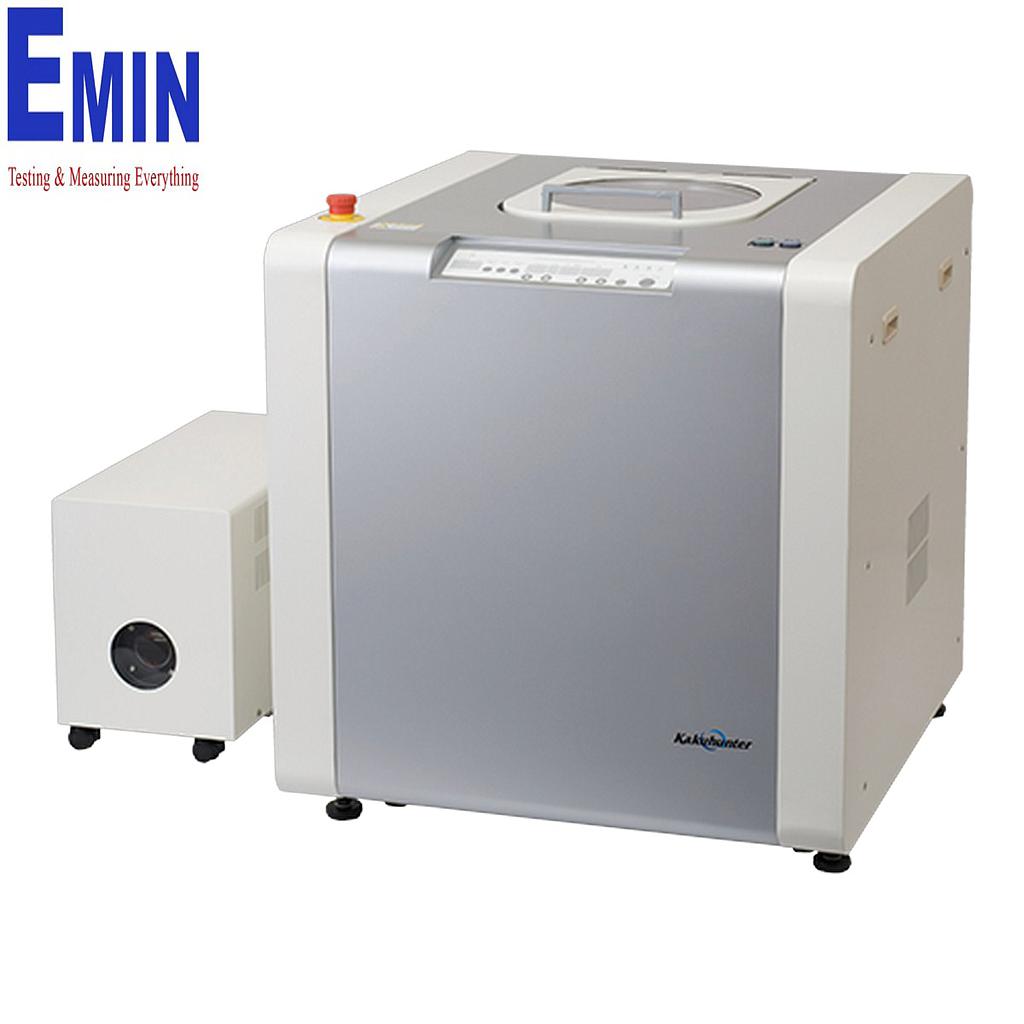
Where centrifugal mixing fits in the lab and production workflow
Compared with basic orbital or vortex motion, centrifugal mixing is often chosen when the material is difficult to homogenize, when air entrapment is a concern, or when sample consistency directly affects downstream testing or manufacturing. The combined movement helps redistribute material through the container more effectively than single-axis agitation in many use cases.
These systems are commonly considered for adhesive preparation, paste mixing, reagent handling, syringe-based material preparation, and small-batch formulation work. For simpler tube resuspension or quick agitation of standard liquid samples, a vortex mixer may be sufficient, but centrifugal platforms become more relevant as viscosity, precision, or process sensitivity increases.
Common equipment styles in this category
This category can cover more than one mixing approach, which is important when comparing equipment. Some models focus on planetary or centrifugal stirring for stronger material movement, while others support rotating or angled motion for sample handling tasks in tubes, flasks, or incubator-style holders.
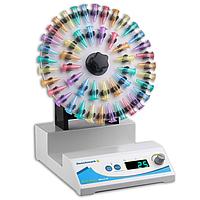
For example, the TAITEC GR-5 Planetary Centrifugal Stirrer is designed for controlled rotational and revolutionary motion, making it relevant for users who need stronger mixing action across multiple vessel positions. In contrast, compact rotating platforms such as the TAITEC RT-025R or RT-050R are more aligned with gentle rotational sample treatment where angle control and small-footprint installation are important.
There are also specialized systems built around syringe processing. The Malcom SY-2V Vacuum Mixing System and Malcom SY-8VMCS Vacuum Mixing System illustrate how centrifugal mixing can be integrated with vacuum-assisted processing when the goal is not only mixing but also reducing trapped air in the material.
How to choose the right centrifugal mixer
The first point to evaluate is the nature of the material itself. Low-viscosity liquids, dense slurries, solder paste, polymer compounds, and biological samples do not behave the same way under motion. Required mixing intensity, container type, allowable shear, and whether degassing is needed will strongly influence the best equipment format.
Next, look at practical operating requirements such as speed range, vessel capacity, angle adjustment, and batch size. A microplate-oriented unit like the DaiHan DH.MixM1500 Microplate Mixer is suited to plate-based workflows where orbital motion and compact dimensions matter, while larger process-focused systems are better for syringes, heavier loads, or more demanding formulations.
It is also worth checking site-specific constraints, including power supply, bench space, environmental conditions, and whether accessories or holders are required for the intended containers. In some laboratories, the ability to swap holders or adapt to different tube sizes is just as important as maximum speed.
Representative brands and product examples
Several manufacturers in this category address different application levels. Malcom is especially relevant where mixing and vacuum control must work together for syringe-based materials. Models such as the SY-2V and SY-8VMCS are useful references for users handling process materials that benefit from controlled revolution speed and reduced bubble inclusion.
TAITEC offers a broader range of small laboratory mixing and rotating platforms. The GR-5 Planetary Centrifugal Stirrer is suitable for users seeking planetary-style motion, while models such as RT-30mini, RT-5N, RT-50N, RT-025R, and RT-050R are more appropriate when rotating incubation or angle-adjustable motion is required.
For compact bench use, the DaiHan DH.MixM1500 demonstrates how microplate handling can be integrated into a mixer platform with controlled orbital motion. The CISA VLAB-100 “V” Mixer also represents another approach for batch mixing where interchangeable bowl configurations may be relevant to the process.
Key selection factors for technical buyers
When specifying equipment for a lab, pilot line, or production support area, buyers usually need more than a nominal speed value. It is more useful to consider the full mixing profile: motion type, load behavior, vessel geometry, and whether the equipment is intended for continuous operation or defined batches.
Other important points include:
- Sample or material type: liquid, slurry, paste, powder blend, or syringe-filled compound
- Container format: microplates, tubes, flasks, bowls, or syringes
- Desired outcome: homogenization, resuspension, degassing, or gentle rotational exposure
- Footprint and installation needs for the available workspace
- Electrical compatibility and any transformer requirements noted by the manufacturer
- Accessory ecosystem, including holders, adapters, and replacement parts
If the application is more focused on continuous sample rolling rather than centrifugal action, related solutions such as a roller mixer or a digital rotator may be worth comparing before final selection.
Typical applications across industries
In laboratory settings, centrifugal mixers are used for sample preparation, reagent blending, microplate mixing, and tube-based workflows where reproducibility matters. Angle-adjustable rotating units may also support incubation-related handling or mixing protocols that require controlled movement over time.
In electronics and materials processing, these systems are often evaluated for adhesives, inks, resins, and other process materials where air reduction and uniform dispersion can affect final product quality. Vacuum-capable systems are especially relevant where entrained bubbles can interfere with dispensing, bonding, or analytical consistency.
Research teams may also choose this category when scaling from exploratory bench work to more structured repeatable preparation. The ability to move from small sample holders to larger or more application-specific formats helps maintain workflow continuity as requirements evolve.
Why category-level comparison matters
Because this product group includes several motion principles and vessel formats, comparing equipment at the category level helps narrow down the shortlist before reviewing individual product pages. A buyer looking for high-energy planetary mixing, for example, should not evaluate a gentle rotating incubator by the same criteria as a vacuum mixing system.
That is why this category brings together different centrifugal and rotation-based options under one technical context. By reviewing the intended material, required throughput, vessel type, and desired process outcome, it becomes much easier to identify whether a compact lab mixer, a planetary centrifugal unit, or a vacuum-capable system is the better fit.
Final considerations before ordering
The right centrifugal mixer depends on how the material behaves in real operation, not only on headline speed. Vessel compatibility, motion pattern, controllability, and process cleanliness all have a direct impact on whether the equipment will support reliable day-to-day use.
Use this category to compare platforms from manufacturers such as CISA, DaiHan, Malcom, and TAITEC, then review the product details that match your sample type and workflow. A careful match between application and mixing method will usually deliver better consistency, safer handling, and a more efficient laboratory or production process.
Get exclusive volume discounts, bulk pricing updates, and new product alerts delivered directly to your inbox.
By subscribing, you agree to our Terms of Service and Privacy Policy.
Direct access to our certified experts