
Parafilm
In daily laboratory work, preventing sample loss is often just as important as the experiment itself. A simple sealing material can make a noticeable difference when you need to protect containers from evaporation, contamination, splashing, or short-term exposure during handling and storage. Parafilm remains a familiar choice in many labs because it offers a practical way to seal vessels quickly without adding unnecessary complexity to the workflow.
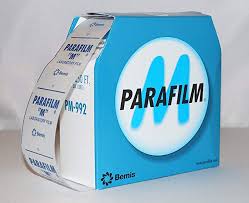
Why Parafilm is widely used in laboratory environments
In research, quality control, teaching, and routine analytical work, laboratories often handle a wide range of glassware and plasticware that need temporary or semi-secure closure. Parafilm is commonly selected for these situations because it can be stretched and wrapped around container openings to form a close seal on flasks, beakers, test tubes, bottles, and other lab vessels.
Its role is especially useful when teams need a material that is easy to apply by hand, adaptable to different container shapes, and suitable for general bench work. Rather than replacing dedicated caps or engineered closures, it supports everyday sample handling by adding an extra protective layer during transfer, short-term storage, incubation, or transport within the lab.
Common applications for Parafilm in the lab
A major reason this category stays relevant is its flexibility across many standard procedures. Laboratories use it to seal media containers, protect prepared samples, cover vessel openings, and reduce the risk of spills or airborne contamination during intermediate process steps.
It is also helpful when different container types are used in the same workflow. Whether technicians are working with narrow-neck tubes, wider laboratory bottles, or general-purpose vessels, Parafilm can adapt more easily than rigid closures alone. In broader lab setups, it is often used alongside items such as ampoules for sample preparation or storage, depending on handling requirements.
Where it fits within a broader labware workflow
Parafilm is best understood as part of the wider lab sealing and containment ecosystem. It is not a replacement for every closure method, but it complements routine labware by helping maintain cleaner handling conditions and reducing accidental exposure of contents to the surrounding environment.
For example, labs that manage reagents, solvents, or prepared solutions may combine sealing materials with supporting tools such as a bottle top solvent pump to improve dispensing control while keeping containers protected between uses. In sample organization and transport, other accessories like laboratory bags may be used in parallel where secondary containment is needed.
What to consider when selecting Parafilm
Choosing the right product for a laboratory environment usually depends on the actual handling conditions rather than the name of the material alone. Buyers typically look at factors such as the size and shape of containers being sealed, the need for flexibility during wrapping, the expected duration of use, and the general compatibility with routine laboratory procedures.
It is also useful to think about whether the application is mainly for evaporation control, contamination reduction, splash prevention, or simple temporary closure during processing. These practical considerations help procurement teams and lab users select a format that matches day-to-day use instead of over-specifying for tasks that only require a straightforward sealing solution.
Typical users and working scenarios
This category is relevant to research laboratories, academic institutions, pharmaceutical environments, food and beverage testing labs, environmental analysis facilities, and industrial quality laboratories. In all of these settings, sample integrity depends on consistent handling practices, and sealing materials are a small but important part of that process.
Parafilm is particularly useful in workflows where vessels are opened frequently, moved between benches, or stored temporarily before the next test step. It supports technicians who need a fast, manual sealing method that does not interrupt routine work and can be applied across a variety of common lab containers.
Related materials and complementary supplies
Although Parafilm serves a specific function, many laboratories purchase it as part of a wider consumables and labware strategy. Depending on the application, teams may also review related categories such as adhesives for bonding or fixing tasks, while other vessel-related accessories may be selected separately based on storage, transfer, or packaging needs.
Looking at the broader workflow helps ensure that sealing, dispensing, storage, and handling requirements all work together. This is especially important in B2B procurement, where consistency across departments, lab stations, or repeated purchasing cycles can improve both operational efficiency and stock planning.
Choosing with application needs in mind
When comparing options in this category, the most effective approach is to start from the laboratory task itself. Consider what kind of vessel is being sealed, how long the seal needs to remain in place, how often the container will be reopened, and whether the main priority is cleanliness, moisture retention, or spill reduction.
For many laboratories, ease of use, adaptability to different containers, and support for sample protection are the key reasons to keep Parafilm available as a standard consumable. Reviewing the intended workflow first will help narrow the most suitable choice and make the category more useful in practical day-to-day operations.
Used correctly, Parafilm adds a simple but valuable layer of control to routine laboratory handling. For teams sourcing dependable lab consumables, this category is best approached as a practical sealing solution that supports cleaner workflows, better sample management, and more consistent bench-level operations.
Get exclusive volume discounts, bulk pricing updates, and new product alerts delivered directly to your inbox.
By subscribing, you agree to our Terms of Service and Privacy Policy.
Direct access to our certified experts