Ovarian acyclicity in dairy cows is a reproductive disorder in which ovarian activity is completely or partly inhibited. This can disrupt follicle formation and growth, preventing the normal reproductive cycle needed for timely insemination. Although it may occur in individual animals, frequent cases within a herd warrant a closer review of nutrition, health status, stress, and reproductive management.
After calving, the ovaries would ordinarily be expected to resume normal activity at around 30 days under physiological conditions. This process may be delayed in cows affected by metabolic disorders. Because reproductive performance is closely connected to the cow’s overall condition, identifying the factors behind ovarian inactivity is an important first step before considering herd-level interventions.
What is ovarian acyclicity?
Ovarian acyclicity describes a lack of normal cyclical ovarian function. The ovaries may not develop the functional structures associated with normal cycling, including follicles and the corpus luteum (CL). As a result, production of the reproductive hormones oestrogen and progesterone may be inadequate for normal cycling and effective insemination.
One of the most common observable signs is silent heat. In this situation, a cow may show little or no clear behavioural evidence of oestrus. This can make heat detection more difficult and may delay breeding decisions if ovarian status is not assessed.
Diagnostic findings and herd evaluation
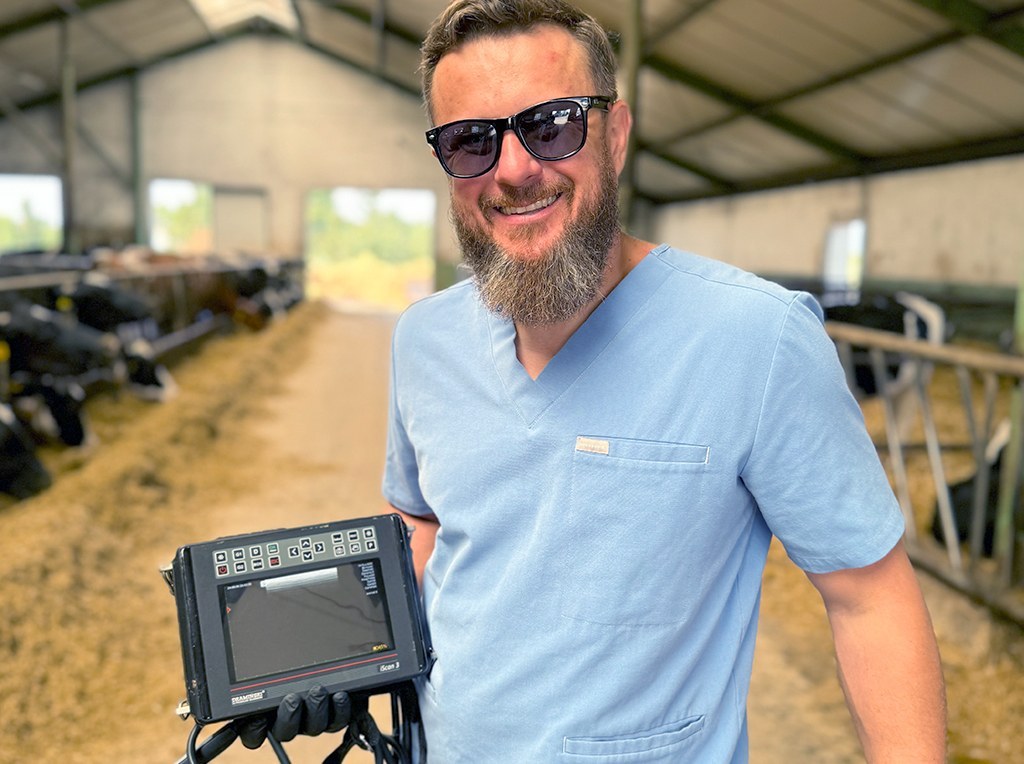
Palpation and ultrasound assessment can help evaluate ovarian status. In cows with ovarian inactivity, the ovaries may be small, smooth, flaccid, and without visible or palpable functional structures such as follicles or a corpus luteum. Ovarian ultrasound scanning therefore provides useful information when silent heat or delayed return to cyclicity is suspected.
Diagnosis should not be viewed in isolation. When several cows are affected, herd managers and veterinary professionals can review patterns around calving, lactation stage, metabolic condition, dietary provision, systemic illness, and stress exposure. This broader assessment helps distinguish an individual reproductive concern from a management issue affecting a larger group of animals.
Factors associated with ovarian dysfunction
Energy deficit during lactation
Calorie deficit can directly affect metabolism, particularly in lactating cows with elevated energy requirements. When energy intake does not meet demand, the animal may enter a catabolic state. In this condition, body reserves are used to support metabolic needs rather than normal reproductive function.
Insufficient energy supply may contribute to delayed or absent oestrus. Low blood glucose levels may also inhibit production of gonadotropins, hormones involved in follicular development. For this reason, nutritional management tailored to the cow’s energy needs at different stages of lactation is a central consideration in supporting reproductive function.
Vitamin and mineral status
Vitamin and mineral deficiencies may also be relevant in ovarian dysfunction. Vitamins A and B, along with copper, zinc, and selenium, are identified as important for normal ovarian function. Vitamin A is involved in ovarian cell proliferation, and deficiency may be associated with ovarian tissue damage and disturbances in sex-hormone production.
Vitamins B6 and B12, as well as folic acid, contribute to DNA synthesis and red blood cell production. Deficiencies in these nutrients may affect hormonal balance, cyclicity, and normal ovulation. Nutritional status monitoring can therefore be valuable when acyclicity is repeatedly observed.
Systemic disease and stress
Infection, inflammation, and other systemic diseases can be associated with delayed ovarian activity. Stress related to an intensive production system may also contribute. Addressing these factors requires attention to the cow’s general health and the conditions in which the herd is managed, rather than focusing on reproductive signs alone.
Hormonal approaches require veterinary assessment
GnRH, or gonadotropin-releasing hormone, is involved in the regulation of the reproductive cycle through stimulation of LH and FSH release. LH is required to trigger ovulation, while FSH supports follicular development. The source information notes that GnRH administration may stimulate ovulation when follicles have reached a minimum size of 10 mm, allowing an endogenous LH surge.
PGF2α has luteolytic properties and causes regression of the corpus luteum, lowering progesterone and allowing a new ovarian cycle to begin. GnRH and PGF2α may be used in reproductive protocols, and gestagen-containing intravaginal inserts are another described option. The appropriate approach depends on ovarian findings and the individual cow’s condition. Hormonal products and treatment protocols should be selected and administered only under veterinary direction.
Prevention priorities for dairy herds
When ovarian acyclicity is common in a herd, prevention begins with identifying and correcting the underlying causes. Repeated pharmacological or hormonal treatment across many animals may be uneconomical if nutritional, metabolic, health, or stress-related contributors remain unresolved.
A prevention-focused program can include regular ovarian ultrasound evaluation, monitoring of nutritional status, and stress control. Reviewing dietary management according to lactation-stage energy requirements is particularly important. Combined with timely attention to systemic disease and inflammation, these measures can support more consistent ovarian activity and better reproductive decision-making across the herd.