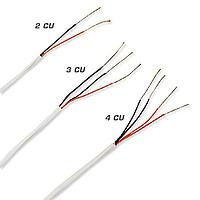
Temperature Wire and Cable
Reliable wiring becomes especially important when equipment must operate around heat, changing ambient conditions, or temperature-sensitive measurement points. In these environments, cable selection affects not only electrical continuity, but also signal stability, insulation life, maintenance intervals, and overall system safety. This is where Temperature Wire and Cable plays a practical role across industrial control panels, testing setups, machinery, and electronic assemblies.
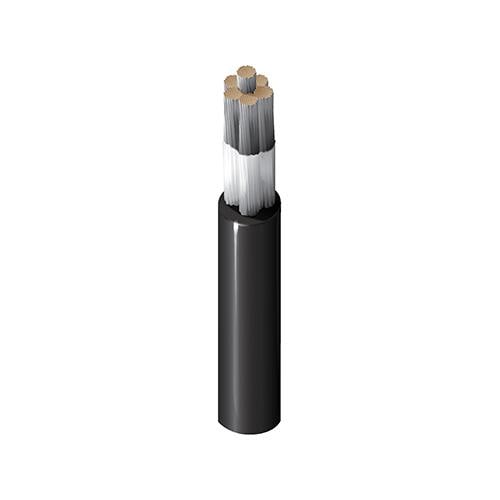
Built for heat-sensitive and temperature-exposed applications
Temperature-rated wire and cable is typically chosen for installations where standard cable may be less suitable due to elevated operating temperatures, thermal cycling, or proximity to heat-generating components. Common use cases include internal panel wiring, power distribution inside equipment, sensor circuits, and machine wiring where insulation performance must remain stable under demanding conditions.
Within this category, users may be sourcing cable for general electrical wiring or for more specialized measurement-related tasks. If your project involves standard internal equipment wiring rather than high-temperature or sensor-specific constructions, it may also be useful to compare with hook-up wire options depending on the installation environment and insulation requirements.
Where temperature wire and cable is commonly used
These products are relevant in a wide range of B2B applications, from factory automation and control cabinets to laboratory instruments and electronic equipment. In many cases, engineers need cable that can maintain dependable electrical performance while routed near transformers, power supplies, motors, heaters, or enclosed components that create localized heat.
Temperature-capable cable is also considered in systems that combine power, signal, and sensing functions. For example, assemblies connected to thermal sensors, resistance measurement circuits, and heated process equipment often require a more deliberate wiring choice. In broader cable systems, this category may sit alongside specialized cables when applications involve a combination of environmental, mechanical, or electrical constraints.
How to evaluate the right cable for your project
Choosing the right product usually starts with the actual operating conditions rather than the part name alone. Buyers typically review conductor size, rated voltage, insulation characteristics, routing space, current load, and whether the cable will carry power, control, or measurement signals. For temperature-related installations, it is also important to consider how heat exposure may affect flexibility, insulation aging, and long-term serviceability.
Another practical factor is installation logic. A single-core design can be easier to route in compact spaces and may support clear circuit separation inside panels or machinery. Color identification can also matter for maintenance and troubleshooting, especially in complex assemblies where multiple signal or power paths must be identified quickly.
Representative products in this category
This range includes single-core cable options from established manufacturers such as HUBER+SUHNER and Fujikura. Examples visible in the assortment include the HUBER+SUHNER RADOX 125 series in multiple conductor sizes and jacket colors, such as 0.25 mm², 0.50 mm², 1.0 mm², and 1.5 mm² variants. These kinds of products are often selected when buyers need consistency across panel builds or harness assemblies while keeping conductor size aligned with circuit demands.
Another listed example is the Fujikura EM-KIE-0.75-Red Single core cable, which illustrates how this category can cover practical industrial wiring needs with clearly defined conductor area, voltage class, and temperature-related operating considerations. Rather than treating every cable as interchangeable, it is usually more effective to match the product to the required electrical load, routing method, and ambient conditions of the installation.
Manufacturer landscape and sourcing considerations
Several recognized brands appear in the wider wire and cable ecosystem, including 3M, Belden, Amphenol, Igus, Fujikura, and HUBER+SUHNER. Even when a project starts with a temperature wire requirement, procurement teams often evaluate brand preference based on documentation quality, portfolio breadth, application fit, and compatibility with existing internal standards.
In practice, the most relevant supplier is not always the one with the largest catalog, but the one whose product line aligns with your insulation, conductor, and installation needs. For buyers working across mixed cable infrastructures, it may also be helpful to review adjacent categories such as fiber optics or cable management accessories separately, depending on whether the project combines electrical wiring with communication or routing requirements.
Practical selection points for engineers and buyers
When narrowing down options in temperature-rated cable, it helps to verify a few fundamentals early in the selection process:
- Temperature suitability for the real operating environment, not just nominal room-temperature use
- Conductor cross-section appropriate for current load and voltage drop considerations
- Single-core routing needs inside panels, machines, or compact assemblies
- Color coding for easier identification during installation and maintenance
- Electrical application type, such as power distribution, control wiring, or sensor-related circuits
These checkpoints can help reduce mismatch between procurement specifications and actual field conditions. They are also useful when standardizing parts across multiple builds, especially where service teams need consistent wiring conventions.
Supporting reliable system performance
In industrial and technical environments, cable is rarely just a passive component. It contributes to system reliability, maintainability, and installation quality over the full life of the equipment. A well-matched temperature wire can support cleaner layouts, stable electrical operation, and fewer issues caused by insulation stress or unsuitable cable selection.
For teams specifying wiring for control systems, equipment manufacturing, or thermal measurement applications, this category offers a focused starting point for selecting cables designed for more demanding temperature conditions. Reviewing conductor size, application type, and installation environment together will usually lead to a more suitable choice than selecting by price or color alone.
Whether you are building new equipment or replacing existing internal wiring, a careful review of temperature exposure, electrical load, and routing constraints will help you choose the most appropriate product from this category. That approach supports better performance in the field and a more consistent procurement process across technical projects.
Get exclusive volume discounts, bulk pricing updates, and new product alerts delivered directly to your inbox.
By subscribing, you agree to our Terms of Service and Privacy Policy.
Direct access to our certified experts