Wire Fence
Clear visual barriers are often one of the simplest ways to improve safety around temporary work zones, restricted access areas, utility maintenance points, and construction activities. In many industrial and field environments, a wire fence or barrier tape solution helps teams separate hazardous space from normal traffic flow, making the site easier to manage and safer for workers, visitors, and the public.
Wire Fence products in this category are typically used for fast, visible perimeter marking rather than permanent physical security. They are relevant wherever temporary isolation, warning marking, or access guidance is needed, especially in maintenance, infrastructure work, electrical service areas, and outdoor utility operations.
Why wire fence and temporary barriers matter on site
Temporary fencing and barricade materials help create an immediate visual boundary around work areas. This is important when equipment is energized, excavation is in progress, roadwork is underway, or a technical team needs to prevent unauthorized entry during inspection and repair tasks.
Compared with improvised warning methods, dedicated barrier products support a more consistent site safety process. They make danger zones easier to recognize, reduce accidental entry, and help organize movement around active work areas. In B2B environments, this is especially useful for contractors, utility teams, factories, warehouses, and facility maintenance departments.
Common applications for this category
Wire fence and barricade materials are commonly selected for temporary exclusion zones, cable pulling routes, electrical maintenance boundaries, roadside service work, warehouse segregation, and public warning perimeters. Their role is practical: define where people should not enter and help crews maintain a controlled working envelope.
These products are often used alongside other protective items depending on the job. For example, electrical maintenance teams may combine perimeter marking with insulating gloves and boots when working near energized systems, or use a hot stick for safer handling in high-risk electrical environments.
What to consider when choosing a wire fence product
The right product depends on how the barrier will be used in the field. Buyers usually evaluate visibility, deployment length, color coding, portability, handling convenience, and whether the barrier is intended for indoor or outdoor use. Temporary warning barriers are often chosen because they are quick to install, easy to roll out, and simple to remove after the task is complete.
Another key point is the working environment. A site with pedestrian traffic may prioritize clear visual warning, while a utility or maintenance application may focus more on marking hazardous space around equipment, trenches, or cable routes. If teams also need to guide tools through conduits or underground paths, related products such as a fiberglass cable duct rodder may be relevant in the broader workflow.
Representative product in this category
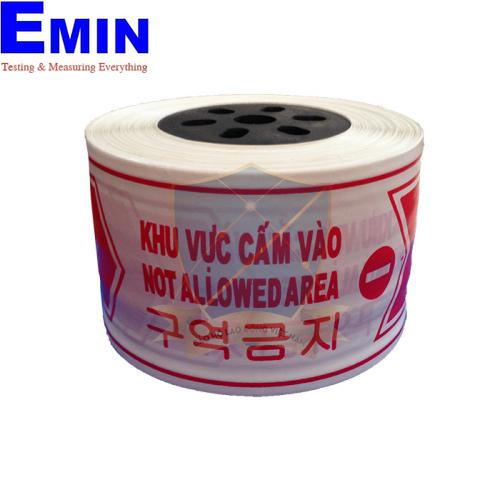
One example listed here is the VIỆT NAM CRBV-VN-01, described as a red 100M barricade roll. Based on the product naming, it is suitable as a long-length warning barrier material for temporary zone marking where high visibility is important. This type of format is practical for teams that need to deploy barriers quickly across extended work areas.
For buyers looking at source or brand context, products from VIỆT NAM may be considered when evaluating locally relevant safety materials and barrier solutions. Rather than focusing only on product names, it is more useful to assess whether the roll length, visibility, and application style fit the operating conditions on your site.
How wire fence fits into a broader safety system
Barrier materials work best when they are part of a complete operational safety approach. A marked perimeter alone does not replace PPE, lockout practices, electrical isolation procedures, or emergency preparedness. Instead, it supports these measures by improving visual communication around hazards and work-in-progress zones.
In many real-world situations, teams combine temporary barriers with access control, warning signage, insulated protective gear, and emergency supplies. Keeping first aid equipment available near active work areas is also a practical consideration, especially on field service sites, construction zones, and maintenance projects where rapid response matters.
Suitable buyers and use environments
This category is relevant for electrical contractors, telecom and utility service providers, construction firms, industrial maintenance teams, factories, logistics sites, and facility operators. It can also be useful for public works units and technical service teams that need a lightweight and visible method to isolate temporary hazards.
Where work conditions change frequently, a portable barrier format can be easier to manage than rigid perimeter systems. It supports repeated deployment across different tasks, which is often important for mobile crews and multi-site operations.
Choosing with practical use in mind
When selecting from this category, it helps to start with the job scenario: how large the restricted area is, how long the barrier needs to remain in place, who needs to see it, and what other protective measures are already part of the workflow. A product that is easy to transport and deploy may be more valuable in daily operations than one chosen on appearance alone.
For procurement teams, the goal is not just to buy a barrier product, but to support a clearer and safer working environment. A well-matched wire fence or barricade roll can help standardize temporary site control, improve visibility around hazards, and make safety procedures easier for crews to follow in practice.
Get exclusive volume discounts, bulk pricing updates, and new product alerts delivered directly to your inbox.
By subscribing, you agree to our Terms of Service and Privacy Policy.
Direct access to our certified experts