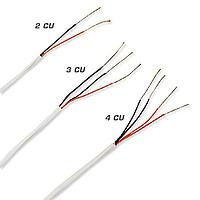
Temperature Wire and Cable
Reliable signal transmission becomes critical when temperature data has to travel through hot machinery, test equipment, ovens, process lines, or industrial control cabinets. In these environments, the cable itself is part of measurement quality: the wrong insulation, conductor material, or shielding approach can introduce noise, drift, premature aging, or complete signal loss. That is why Temperature Wire and Cable is an important part of any temperature measurement setup, not just an accessory.
Whether you are routing sensor leads in a laboratory, extending connections in industrial automation, or building a robust thermal monitoring system, the right cable helps maintain signal integrity and long-term reliability. This category supports applications where cables must tolerate elevated temperatures, repeated movement, electrical interference, or demanding installation conditions.
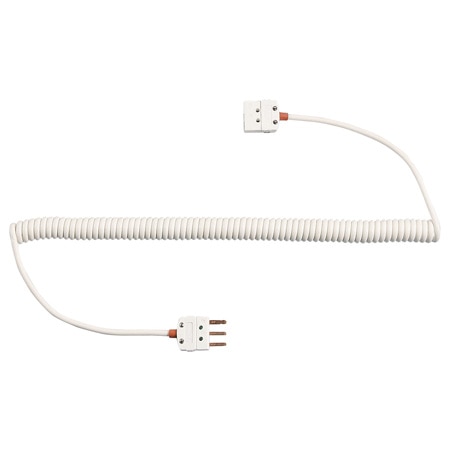
Where temperature wire and cable fits in a measurement system
In practical use, temperature wiring connects sensors, probes, meters, controllers, and data acquisition equipment into one working chain. Even when the sensing element is accurate, poor cable selection can reduce overall performance by adding resistance changes, picking up electrical noise, or degrading under heat exposure. For this reason, cable choice should be considered early in system design rather than treated as a last-minute installation detail.
This is especially relevant in systems that also use temperature meters and indicators, where stable transmission is necessary for readable and repeatable measurement. In broader maintenance workflows, wiring may also complement non-contact tools such as a thermal imaging camera, helping teams combine point measurement and visual inspection in the same process.
Common application environments
Temperature wire and cable is used across manufacturing, electronics testing, HVAC, energy systems, food processing, research labs, and machine building. Some installations require routing through heated chambers or around motors and power equipment, while others demand compact cable management inside panels or instruments. The required cable construction often depends on both thermal stress and mechanical stress, not temperature alone.
Applications may involve fixed wiring, flexible patch cords, or protective sleeving around conductors in areas exposed to abrasion or radiant heat. Where installation conditions are harsh, users often evaluate the full ecosystem, including temperature accessories that support mounting, termination, protection, or integration with existing measurement hardware.
What to consider when selecting the right cable
The first consideration is the operating temperature range of the installation. Cable insulation and jacket materials must remain stable under the actual ambient and process conditions, including startup peaks or localized hot spots. A cable that performs well in a control cabinet may not be suitable near heaters, furnaces, or hot surfaces.
The second key factor is the type of electrical signal being carried. Low-level temperature signals can be vulnerable to interference, so conductor design, shielding, and routing practices matter. In longer runs, resistance and signal integrity become more important, particularly when precision measurement is required.
Mechanical requirements also affect selection. Some systems need flexible cable for repeated motion, while others prioritize abrasion resistance, compact diameter, or ease of termination. If the cable will be installed alongside other wiring, engineers may also look at compatibility with connectors, sleeves, and insulators used throughout the assembly.
Construction features that influence performance
Not all temperature cables are built the same, even when they appear similar from the outside. Differences in conductor material, strand configuration, insulation type, and shielding can influence durability and measurement stability. For example, flexibility may improve installation in tight spaces, while a more robust outer layer may be preferred for industrial routing and long service life.
Shielding is often valuable in electrically noisy environments, especially near drives, switching devices, or power distribution equipment. In those cases, cable selection supports signal integrity as much as thermal durability. Where physical protection is equally important, users may combine cable with sleeves or other insulation-related components within the same category structure.
Manufacturer landscape for industrial and technical use
This category sits within a broader supply ecosystem that includes well-known manufacturers such as Belden, Amphenol, 3M, Fujikura, HUBER+SUHNER, and Igus. Each name is associated with different strengths across connectivity, cable construction, industrial installation, and electronic interconnection. The right choice usually depends less on brand recognition alone and more on fit for the application, environment, and system architecture.
In many projects, temperature wiring is part of a larger interconnect strategy that includes connectors, cable assemblies, and protective materials. Brands linked to industrial connectivity and cable engineering can therefore be relevant when users need to align measurement wiring with broader machine or test-system requirements.
Related product types within temperature measurement
Temperature wire and cable is often selected together with adjacent product groups rather than in isolation. For example, indicating products can provide quick visual confirmation of thermal exposure, while dedicated measurement devices convert sensor input into actionable readings. In maintenance or process troubleshooting, engineers may also combine wired sensing with labels, meters, and imaging tools depending on whether they need continuous monitoring, spot checks, or irreversible temperature evidence.
If your application involves permanent or semi-permanent thermal exposure tracking, temperature indicating labels may be useful alongside wired measurement. This kind of combination is common when teams want both ongoing sensor-based data and simple visual verification at specific points on equipment.
How to match cable choice to real-world installation needs
A practical selection process starts with the installation environment: maximum and normal temperature, cable routing path, movement, exposure to chemicals or abrasion, and nearby electrical noise sources. From there, it becomes easier to narrow down whether the priority is high-heat resistance, flexibility, shielding, compact routing, or easier field termination. This approach usually leads to better long-term performance than choosing solely by price or general description.
It is also helpful to think about maintenance and replacement cycles. In industrial settings, a cable that is easier to route, identify, and service can reduce downtime over the life of the system. For B2B buyers, this often matters as much as the base material specification, especially when standardization across multiple machines or sites is part of the procurement strategy.
Choosing with confidence
Temperature wire and cable plays a direct role in the reliability of thermal measurement systems, from simple sensor extensions to more demanding industrial installations. A good selection balances thermal tolerance, electrical performance, mechanical durability, and compatibility with the rest of the measurement chain.
By reviewing the application environment and the broader system requirements, buyers can identify cable options that support stable readings and dependable operation over time. If you are building out a complete measurement setup, this category is a useful starting point for creating a more robust and serviceable temperature monitoring solution.
Get exclusive volume discounts, bulk pricing updates, and new product alerts delivered directly to your inbox.
By subscribing, you agree to our Terms of Service and Privacy Policy.
Direct access to our certified experts