Heating/Water Bath
Consistent temperature control is a basic requirement in many laboratory workflows, from routine sample warming to viscosity and rheology measurements that depend on tightly controlled thermal conditions. In these situations, choosing the right Heating/Water Bath setup helps improve repeatability, protect samples, and support safer day-to-day operation.
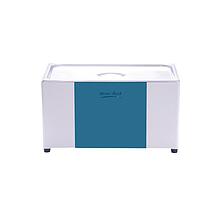
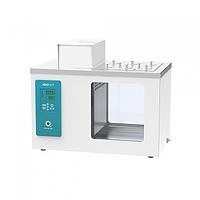
This category covers laboratory heating and temperature-control solutions used where indirect, stable heating is preferred over direct flame or uncontrolled hot surfaces. It also includes practical accessories that improve bath usability, such as covers and racks, along with specialized temperature-control systems for measurement environments.
Where heating and water bath systems are used
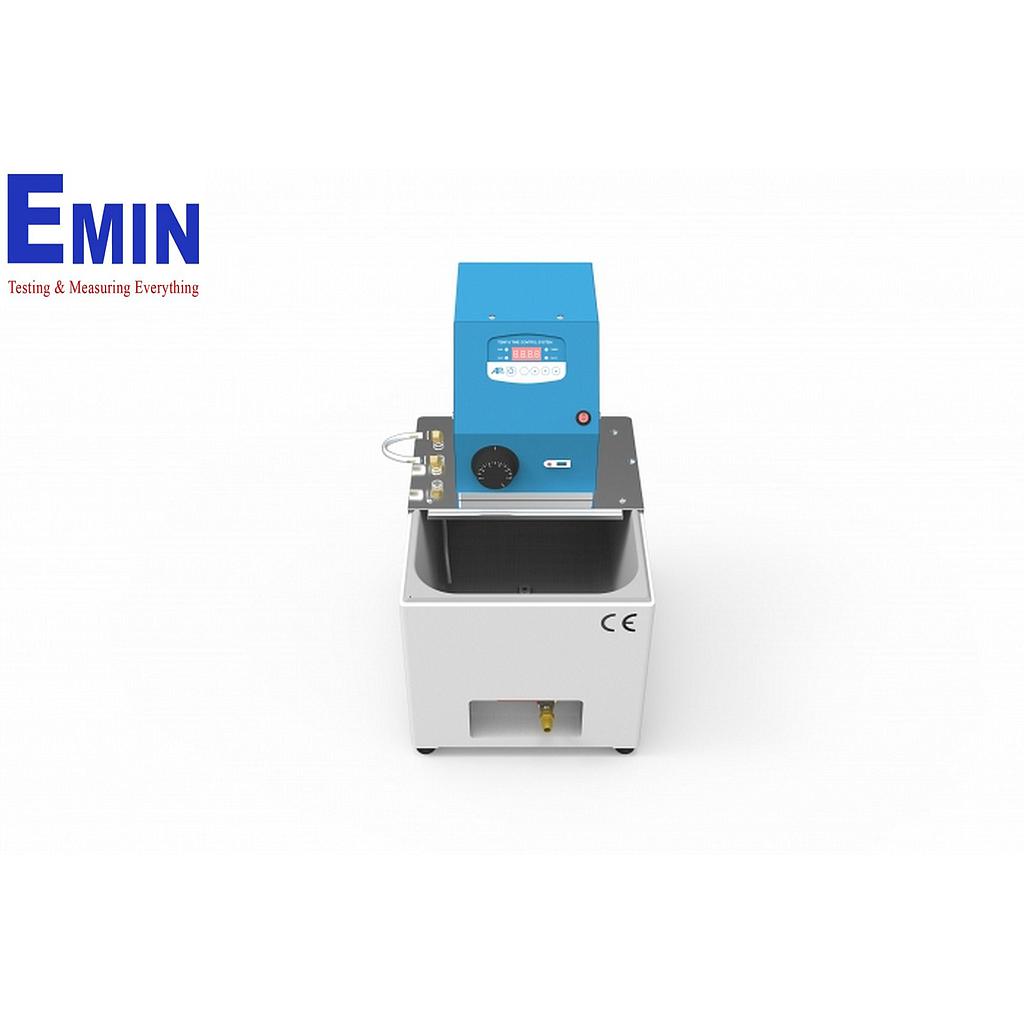
In general laboratory practice, water baths are used when samples need uniform heating over time without localized overheating. This is useful for warming reagents, preparing media, incubating samples, and supporting procedures that require steady thermal conditions rather than rapid, aggressive heating.
In more specialized workflows, temperature control becomes part of the measurement system itself. Some products in this category are designed for rheology and viscosity applications, where thermal stability directly affects test results. For that reason, the category is relevant not only to general lab users but also to teams working with material characterization, formulation, and quality control.
Typical configurations in this category
A standard water bath setup usually combines the heated bath with accessories that help organize vessels and reduce heat loss. For example, the JEIOtech AAA51534 Stainless Steel Cover is intended to support cleaner operation and better thermal retention, while the JEIOtech AAA51523 Spring Wire Racks help hold tubes, flasks, and similar glassware in a stable position.
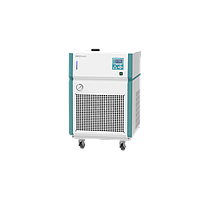
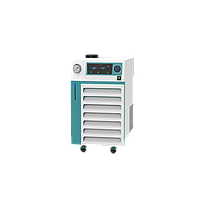
Beyond conventional bath accessories, this category also includes dedicated heating and temperature-control modules. These systems may use electrical heating or Peltier temperature control depending on the application, target temperature range, and the type of measuring vessel or spindle system involved.
Examples of temperature-control solutions
For elevated-temperature applications, the Lamy Rheology range includes solutions such as the RT-1 PLUS and RT-1 PLUS + PROGRAMMER, designed for controlled heating up to high temperatures for compatible cylindrical measuring systems. These products are relevant in workflows where sample behavior changes significantly with temperature and repeatable control is essential.
For moderate heating or cooling requirements, the EVA series offers several configurations with narrow and application-specific ranges. Examples listed in this category include EVA LR PLUS, EVA LR PLUS HI POWER, EVA MS-R PLUS 9 Holes, and EVA MS-DIN/MS-R PLUS variants. Their role is not the same as a general-purpose bath for everyday sample warming; instead, they serve as integrated thermal control systems for defined measurement setups.
What to consider when selecting a heating or water bath system
The first point is the required temperature range. Some tasks only need gentle warming near ambient conditions, while others require heating to much higher temperatures or even controlled cooling below room temperature. Matching the thermal range to the actual process helps avoid over-specifying the equipment and supports more reliable operation.
The second point is sample format and compatibility. A general bath may be suitable for tubes, flasks, or beakers, especially when used with stainless steel racks or covers. By contrast, specialized systems such as the Lamy Rheology models in this category are designed around compatibility with particular measuring systems and instruments, so application fit matters more than broad versatility.
It is also worth reviewing construction materials and workflow details. Stainless steel components are commonly preferred for corrosion resistance, easier cleaning, and long-term durability in humid lab environments. If your process involves broader thermal management needs, you may also want to review related brand portfolios such as JEIOtech for laboratory heating accessories and equipment.
Why accessories matter in daily operation
On a busy lab bench, performance depends not only on the heater itself but also on how samples are positioned and protected during use. A properly fitted cover can help reduce evaporation, improve temperature stability, and limit contamination from the surrounding environment. Likewise, racks make handling easier and help keep containers separated for more uniform exposure to the heated medium.
These details are especially important in workflows that run repeatedly throughout the day. Small improvements in organization, cleanliness, and heat retention can save operator time and contribute to better reproducibility, particularly when multiple users share the same bath or heating station.
Good operating practice for laboratory baths
To maintain stable performance, users should keep the bath clean, monitor liquid level where applicable, and avoid running heating elements without the proper medium in place. Regular cleaning helps prevent residue buildup, while routine checks of actual versus set temperature can reveal early drift or maintenance needs.
It is also good practice to use the correct accessory for the vessel type and application. Closing the bath with a suitable cover when possible, placing glassware securely, and avoiding overcrowding all help maintain more even temperature distribution. In laboratories where operators also work with open flames or direct heating, comparing the task with alternatives such as burner and torch equipment can help determine when indirect heating is the safer and more appropriate choice.
Choosing by application, not by label alone
Although the term water bath is widely used, not every product in this category serves the exact same function. Some items are classic bath accessories for general laboratory heating, while others are advanced temperature-control units intended for measurement systems with strict thermal requirements. Understanding that difference makes selection faster and reduces the risk of choosing an accessory when a complete control system is needed, or vice versa.
For buyers comparing options across brands, this category brings together both practical bench accessories and more specialized thermal solutions from manufacturers such as JEIOtech and Lamy Rheology. The best choice depends on whether the priority is simple sample warming, organized vessel handling, or precise temperature control integrated into a testing workflow.
Conclusion
A well-matched heating or water bath solution supports safer heating, steadier temperature conditions, and more dependable laboratory results. Whether the requirement is a stainless steel cover, a rack for routine glassware handling, or a dedicated temperature-control system for rheology work, selecting according to application, temperature range, and compatibility will lead to a more practical long-term setup.
Browse the products in this category to compare available configurations and choose a solution that fits your laboratory process with the right balance of control, usability, and durability.
Get exclusive volume discounts, bulk pricing updates, and new product alerts delivered directly to your inbox.
By subscribing, you agree to our Terms of Service and Privacy Policy.
Direct access to our certified experts