Sample Destructors
Reliable sample preparation often determines whether downstream analysis is consistent, repeatable, and safe. In laboratories handling Kjeldahl digestion, crude fiber testing, or other wet-chemistry preparation steps, Sample Destructors help standardize heating, timing, and reaction control while reducing operator intervention during demanding digestion workflows.
These systems are commonly selected by food, environmental, academic, and industrial laboratories that need controlled digestion before measurement or further analytical processing. Compared with fully manual setups, they support more stable operating conditions, better batch handling, and a safer working environment when strong reagents and elevated temperatures are involved.
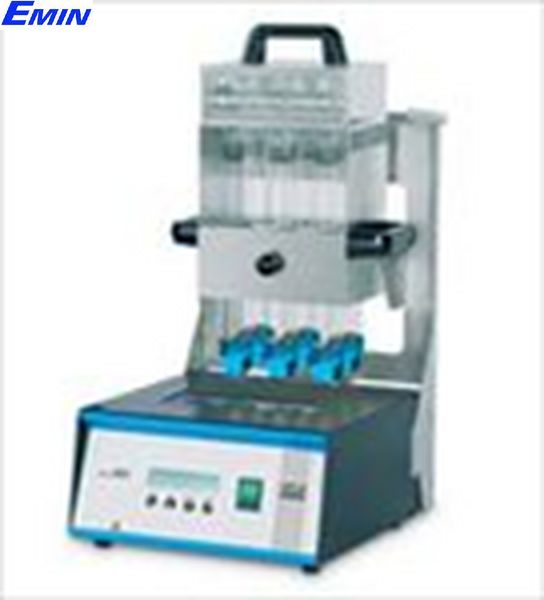
Why digestion equipment matters in analytical workflows
Many laboratory methods depend on converting a complex solid or liquid sample into a form that can be measured accurately. A properly controlled digestion step breaks down the original matrix, helping analysts prepare homogeneous solutions suitable for subsequent testing, whether the focus is nitrogen determination, crude fiber analysis, or related chemical procedures.
That is why digestion equipment is not simply a heating device. It is part of the broader quality chain of laboratory preparation, where temperature stability, reaction time, vessel format, and fume handling can directly influence repeatability. For labs that process multiple samples every day, a dedicated system also helps improve throughput without relying too heavily on operator technique.
Common types of sample destructors in this category
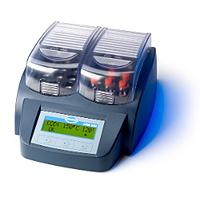
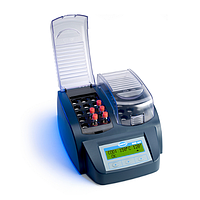
This category includes different digestion approaches for different laboratory needs. Some instruments are designed as compact block digesters for tube-based sample preparation, while others are built as open Kjeldahl digestion apparatus with dedicated fume removal concepts and higher-capacity layouts for established wet chemistry laboratories.
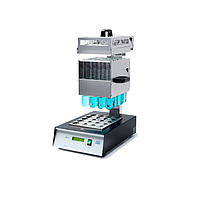
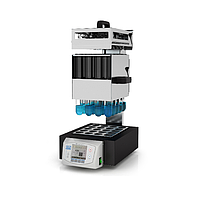
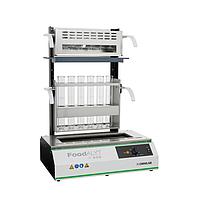
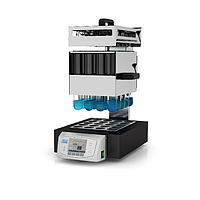
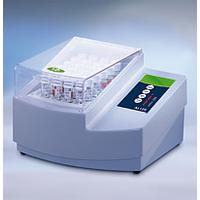
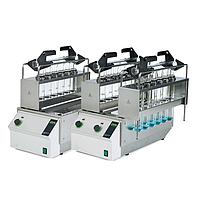
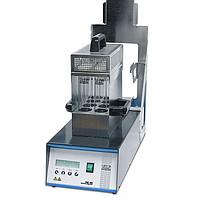
For example, the VELP DK20 block digester represents the benchtop style often chosen for routine controlled heating of multiple tubes. For laboratories seeking a higher level of automation, the VELP DKL20 Fully Auto Digesters add automatic cap and suction control, program management, and microprocessor-based operation. In larger Kjeldahl-oriented setups, models such as the Labconco 2301200 Rapid Digestor-25 or six-place open Kjeldahl apparatus are better aligned with established digestion stations and fume-handling requirements.
Key selection criteria before you choose a system
The right unit depends first on the analytical method and sample load. Tube size, number of positions, target operating temperature, and the need for programmable ramps all affect day-to-day usability. A lab processing routine batches may prefer a multi-position block design, while a facility following classic Kjeldahl procedures may need an apparatus designed around flasks, exhaust handling, and fixed bench installation.
It is also important to look at control and safety features. Digital temperature readout, automatic calibration functions, alert signals, and fault detection can help reduce setup mistakes and improve process consistency. On more advanced systems, stored methods and user-programmable memories are especially useful when the lab runs several digestion protocols and wants to minimize manual parameter entry.
Material compatibility matters as well. Since digestion often involves aggressive chemicals and elevated heat, chemical-resistant construction and durable coated surfaces help support long-term use in harsh environments. If the process generates acid fumes, make sure the digestion setup is matched with appropriate exhaust or fume-removal arrangements rather than considering the heater alone.
Examples of equipment used in real laboratory applications
For routine tube digestion, VELP offers systems that combine controlled heating with practical lab automation. The DKL20 series is suited to users who want automatic operation features and program-based workflow control, while the DK20 is a more straightforward block digester format for predictable, repeatable heating across 20 positions.
Labconco is represented here with several digestion-oriented configurations, including the Rapid Digestor-25, Micro Digestors, crude fiber apparatus, and open Kjeldahl combinations. These examples show how the category supports both compact bench-level digestion and larger apparatus intended for dedicated analytical stations. The presence of combination digestion and distillation systems also highlights how some laboratories prefer integrated workflow setups rather than standalone preparation steps.
Typical industries and use cases
Food and feed laboratories commonly rely on digestion systems for methods related to nitrogen and fiber determination. In these environments, repeatability between batches is essential, especially when multiple samples must be processed under the same conditions to support quality control or routine compliance testing.
Environmental and industrial laboratories may use digestion procedures as part of sample preparation before evaluating chemical content in water, soil, sludge, or process materials. Academic and research laboratories also benefit from controlled digesters when method development requires reproducible temperature profiles and dependable treatment of small or medium sample series.
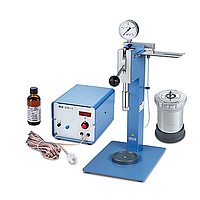
Because digestion frequently involves corrosive reagents and hot vessels, supporting equipment around the workstation is equally important. Depending on the workflow, labs may also review related items such as burners and torches for specific preparation steps or laboratory protective apparel to strengthen safe routine handling.
Operational benefits beyond basic heating
Modern digestion equipment can improve more than just heating accuracy. Better process control helps reduce variation between operators, which is especially valuable when staff rotate between shifts or when standard operating procedures must be followed closely. Timers, ramp programming, and automatic alerts support a more structured workflow and reduce the likelihood of incomplete or overheated samples.
Another major benefit is workflow consistency. In busy laboratories, manual digestion methods can create bottlenecks because they depend on constant supervision. Equipment designed for stable thermal performance and repeatable positioning allows personnel to manage multiple tasks more efficiently while keeping preparation quality under control.
Choosing between compact, automated, and higher-capacity systems
A compact benchtop digester is often sufficient for laboratories with moderate sample volume, limited bench space, or a narrow range of methods. These systems are typically easier to integrate into routine operations and can be a practical option when the main requirement is reliable block heating with straightforward parameter setting.
Automated digesters are more suitable when the lab needs method storage, reduced hands-on intervention, and more controlled processing from start to finish. Higher-capacity open apparatus become relevant when the workflow is centered on traditional Kjeldahl procedures, larger flasks, or dedicated digestion and distillation stations. In practice, the best choice comes from matching the instrument format to your method, sample count, and safety infrastructure rather than choosing on specifications alone.
Final considerations for laboratory buyers
Selecting the right digestion system starts with understanding the actual preparation workflow in your lab: sample type, vessel format, throughput, heating profile, and exhaust requirements. From compact block digesters to open Kjeldahl apparatus, this category covers equipment intended to support safer and more repeatable chemical sample breakdown before analysis.
If you are comparing options, focus on method compatibility, control functions, and the practical demands of daily use. A well-matched sample destructor can help the lab maintain consistent preparation quality, reduce manual handling, and build a more dependable analytical process over time.
Get exclusive volume discounts, bulk pricing updates, and new product alerts delivered directly to your inbox.
By subscribing, you agree to our Terms of Service and Privacy Policy.
Direct access to our certified experts