Wrap Reel
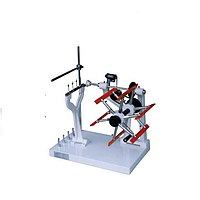
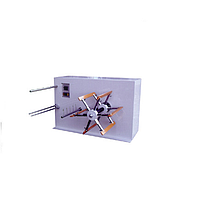
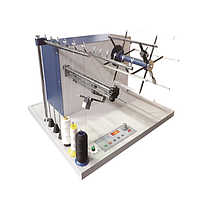
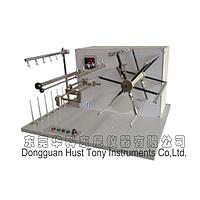
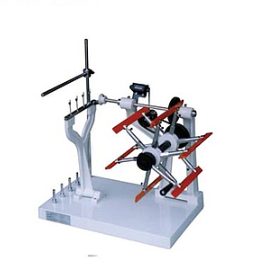
Accurate yarn count testing starts with a repeatable way to prepare skeins. In textile laboratories and quality control environments, a Wrap Reel is used to wind yarn into a defined length under controlled conditions, creating specimens suitable for count determination and related physical testing. When the reel circumference, winding speed, and counting function are stable, technicians can reduce handling errors and improve consistency from one batch to the next.
This category brings together manual and motorized wrap reel equipment commonly used for yarn preparation in mills, testing labs, and inspection workflows. Whether the requirement is routine production checking or more formal laboratory work aligned with recognized test methods, the right reel helps standardize specimen preparation before further evaluation.
Why wrap reels matter in textile testing
Before yarn count can be checked accurately, the sample must be wound to a known length. A wrap reel supports this process by forming skeins with a fixed circumference, typically used as the basis for weighing and calculating linear density. This makes the instrument an essential part of sample preparation rather than a standalone measurement device.
In practical use, consistency is often more important than speed alone. A stable reel helps maintain repeatable winding conditions, while built-in counters and preset functions make it easier to produce the required number of turns without manual estimation. For laboratories working across multiple test procedures, this repeatability supports better comparison between operators, shifts, and production lots.
Common configurations in this category
The range includes both manual and electric models, allowing users to choose according to throughput, operator preference, and lab routine. A manual unit can be suitable for lower-volume testing or basic sample preparation, while a motorized reel is often preferred when the workload is higher or when more uniform operation is needed across repeated tests.
For example, the Cometech QC-301 Manual Wrap Reel is designed for straightforward skein preparation with adjustable circumference options. On the motorized side, models such as the Cometech QC-302 and QC-302A provide automated winding with counting functions and controlled rotational speed, helping reduce operator effort during repetitive laboratory work.
Representative products and application fit
Several products in this category illustrate the typical selection range. The Cometech lineup covers both manual and motor wrap reels, which can be useful for labs that want similar operating logic across different testing volumes. The QC-302 and QC-302A are suitable examples for facilities that need automatic stopping after a preset number of turns, while the QC-301 fits simpler workflows where manual handling remains acceptable.
The TONYHK HTY-010 Electric Wrap Reel is another relevant option for users looking at electric winding with adjustable speed and preset control. Its published compliance references, including ISO 2060 and ASTM D1907, indicate its relevance for standardized yarn count preparation where method alignment is important in the test process.
How to choose the right wrap reel
A good starting point is to define how the reel will be used in daily work. If testing volume is modest and operators only prepare limited samples, a manual machine may be enough. If the lab handles frequent incoming inspections, development trials, or production verification, an electric reel usually improves efficiency and reduces variation caused by manual winding speed.
It is also worth reviewing a few practical parameters: reel circumference, number of skeins handled at once, counter range, and speed control. These factors affect not only convenience but also how easily the reel fits into existing test procedures. Where standard-based testing is required, users should confirm that the machine setup supports the specimen format expected by the method being followed.
Operational considerations for reliable specimen preparation
Even a well-designed reel depends on proper setup. Operators should pay attention to yarn handling tension, correct turn count, and clean winding paths so that skeins are formed evenly. Inconsistent pre-tension or poor winding alignment can influence the quality of the specimen and create avoidable variation before the weighing step begins.
For this reason, many laboratories prefer equipment with preset counting, stable rotation, and repeatable reel circumference. These features help standardize preparation across multiple users. In environments where yarn testing is only one part of a broader QC workflow, having dependable preparation equipment can save time and reduce rework later in the process.
Wrap reels within a broader testing environment
A wrap reel is typically one element in a larger testing setup. Textile and materials laboratories often combine sample preparation tools with other systems used for physical, barrier, or environmental evaluation. Depending on the application, users may also review categories such as water vapor transmission rate test systems or an oxygen permeation system when building out a broader laboratory capability.
Although these instruments serve different purposes, they share the same requirement for controlled, repeatable test conditions. Choosing equipment that supports disciplined preparation and consistent operation is especially important in B2B environments where traceability, internal standards, and customer specifications influence purchasing decisions.
What buyers usually compare before ordering
In most procurement discussions, the key questions are not only about price or speed. Buyers usually compare manual vs. motorized operation, required sample throughput, ease of use, and whether the reel supports the intended test standard or internal method. Bench space, power requirements, and day-to-day durability can also matter, especially in busy QA departments.
Another useful point is service alignment with the brand already used in the lab. Facilities that work with equipment from Cometech or TONYHK may prefer to stay within a familiar product ecosystem for training and maintenance reasons. Looking at representative models in this category can help narrow the choice based on actual workflow needs rather than on specifications alone.
Final considerations
Choosing a suitable wrap reel for yarn testing is mainly about achieving consistent specimen preparation with the right level of automation for your workload. Manual models remain practical for smaller routines, while electric versions can improve repeatability and operator efficiency in higher-volume laboratory environments.
By comparing reel format, counting control, operating speed, and fit with your test methods, it becomes easier to select equipment that supports dependable results over time. This category is intended to help buyers evaluate that balance and identify wrap reel solutions that match real textile testing requirements.
Get exclusive volume discounts, bulk pricing updates, and new product alerts delivered directly to your inbox.
By subscribing, you agree to our Terms of Service and Privacy Policy.
Direct access to our certified experts