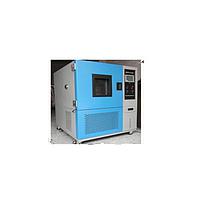
Ozone Aging Test Chamber
Rubber, elastomers, cable jackets, and polymer components can fail prematurely when exposed to ozone, even at relatively low concentrations. In quality control and materials development, a Ozone Aging Test Chamber helps teams evaluate how surfaces crack, harden, or lose elasticity under controlled ozone and temperature conditions before those materials are released into real service environments.
This category is intended for laboratories, manufacturers, and testing facilities that need repeatable ozone exposure testing for durability studies, compliance work, and comparative material evaluation. It includes both ozone generation solutions and complete test systems suited to controlled aging and resistance testing.
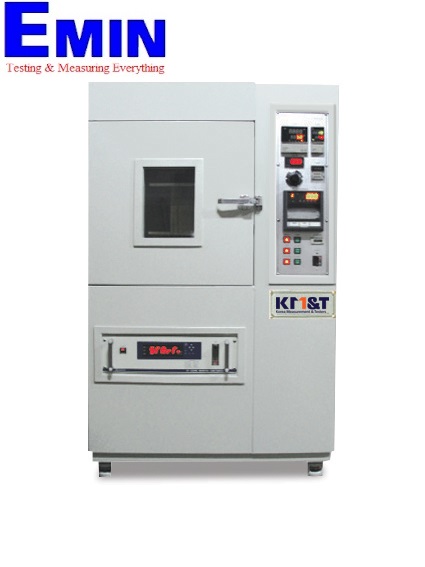
Why ozone aging testing matters
Ozone is highly reactive and can accelerate visible damage in many rubber-based and polymer materials. Cracking on stretched samples, changes in surface condition, and loss of mechanical integrity are common concerns in sectors such as automotive, wire and cable, seals, gaskets, industrial components, and general materials R&D.
Using a dedicated chamber allows users to control key variables such as ozone concentration, chamber temperature, and exposure time. This creates a more reliable basis for comparing materials, validating formulations, and identifying weak points early in the product development cycle.
What this category typically includes
The range covers equipment designed to generate and maintain ozone within a defined chamber environment for accelerated aging studies. Depending on the test objective, users may need a full chamber for sample conditioning and exposure, or an ozone generation source that supports a broader test setup.
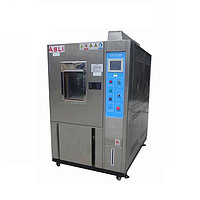
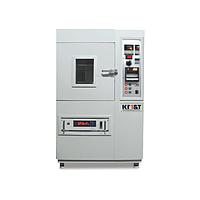
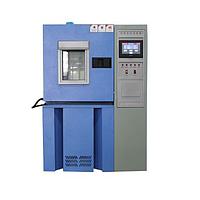
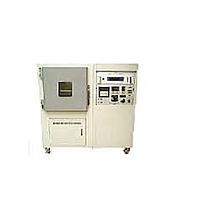
Representative products in this category include the ClearWater Tech CD Ozone generator source and the ClearWater Tech CD10 Corona Discharge Ozone Generator, which are relevant where stable ozone generation is part of the test configuration. For complete chamber-based testing, examples such as the JFM JFM-010 OZONE AGING TESTER, MStech MSTOT-500 Ozone tester, and KMT KTC-113 Ozone Testing Machine show the type of systems used for controlled material aging evaluation.
Key parameters to review before selecting a chamber
When comparing models, the first consideration is usually the ozone concentration range needed for your test method and material type. Some applications focus on moderate exposure for routine comparison, while others require higher controlled concentration levels to accelerate degradation within a practical testing window.
The second factor is temperature control, since heat and ozone often interact in ways that change the aging profile of the sample. Chamber size, airflow or exhaust characteristics, display and control interface, and whether dynamic testing is supported can also affect whether a unit fits your workflow.
For example, the JFM JFM-010 OZONE AGING TESTER is presented with digital control and ozone display features, while MStech MSTOT-500 and KMT KTC-113 models illustrate the kind of ozone and temperature ranges often considered during equipment selection. If your setup depends on a separate ozone source rather than an integrated chamber, exploring ClearWater Tech solutions may be helpful.
Typical applications in industrial and laboratory environments
Ozone aging chambers are commonly used to assess rubber compounds, insulation materials, sealing elements, hoses, and coated parts. In many labs, the goal is not only to confirm pass or fail performance, but also to compare alternative materials under the same controlled conditions and document changes over time.
These systems are also useful in supplier qualification and incoming material verification, especially when long-term environmental resistance is critical. In broader packaging and barrier testing workflows, users may also review related equipment such as oxygen permeation systems or water vapor transmission rate test systems when material stability and environmental exposure are part of the same evaluation program.
Understanding the difference between ozone generators and complete test systems
Not every product associated with ozone testing serves the same role. A standalone ozone generator is typically used to create a controlled ozone source, while a complete chamber combines ozone generation, sample space, environmental control, and monitoring functions in one integrated system.
This distinction matters when planning a lab purchase. If you already have a chamber or a custom test rig, a generator such as the ClearWater Tech CD or CD10 may fit into the existing setup. If you need a more self-contained platform for routine testing, chamber-style equipment from KMT, JFM, or MStech may be more appropriate depending on your process requirements and test methods.
How to choose the right setup for your workflow
A practical buying decision usually starts with the sample type and test standard you need to support. Consider whether you are testing small coupons, stretched specimens, finished parts, or multiple samples in parallel, and whether the chamber volume matches your expected throughput.
It is also useful to review how your team records and monitors test conditions. Features such as digital display, PID-based control, and configurable heating capacity can improve repeatability and simplify routine operation. If your lab also handles high-temperature treatment or thermal conditioning outside ozone testing, related equipment such as laboratory furnaces may complement the overall testing environment.
Examples of equipment found in this category
Several products in this category illustrate the range of available ozone aging and ozone test equipment. The JFM JFM-010 OZONE AGING TESTER is positioned as a chamber-based solution for controlled ozone exposure, while the MStech MSTOT-500 Ozone tester appears in configurations suited to chamber testing with defined ozone and temperature performance ranges.
The KMT KTC-113 Ozone Testing Machine is another example for users looking at controlled ozone testing capacity in a laboratory format. Meanwhile, ClearWater Tech CD Ozone generator source and ClearWater Tech CD10 Corona Discharge Ozone Generator are relevant where the ozone generation stage is the main focus within a broader test system design.
Choosing with long-term testing needs in mind
An ozone aging test setup should support more than a single project. Over time, testing requirements may expand from material comparison to qualification, failure analysis, or process validation, so it makes sense to evaluate flexibility in chamber size, control method, and ozone generation approach from the beginning.
Whether you need an integrated chamber or a dedicated ozone source, this category brings together equipment used to simulate ozone exposure in a controlled and repeatable way. Reviewing the available systems by application, control needs, and sample format will help you identify the most suitable solution for consistent material aging evaluation and more confident product development decisions.
Get exclusive volume discounts, bulk pricing updates, and new product alerts delivered directly to your inbox.
By subscribing, you agree to our Terms of Service and Privacy Policy.
Direct access to our certified experts