The role of game downloads when checking sources
A dummy load is a device that simulates electrical load in a controlled manner, allowing engineers to proactively adjust power consumption levels without using a real load. This helps assess power source stability, load capacity, surge response, and many other important factors.
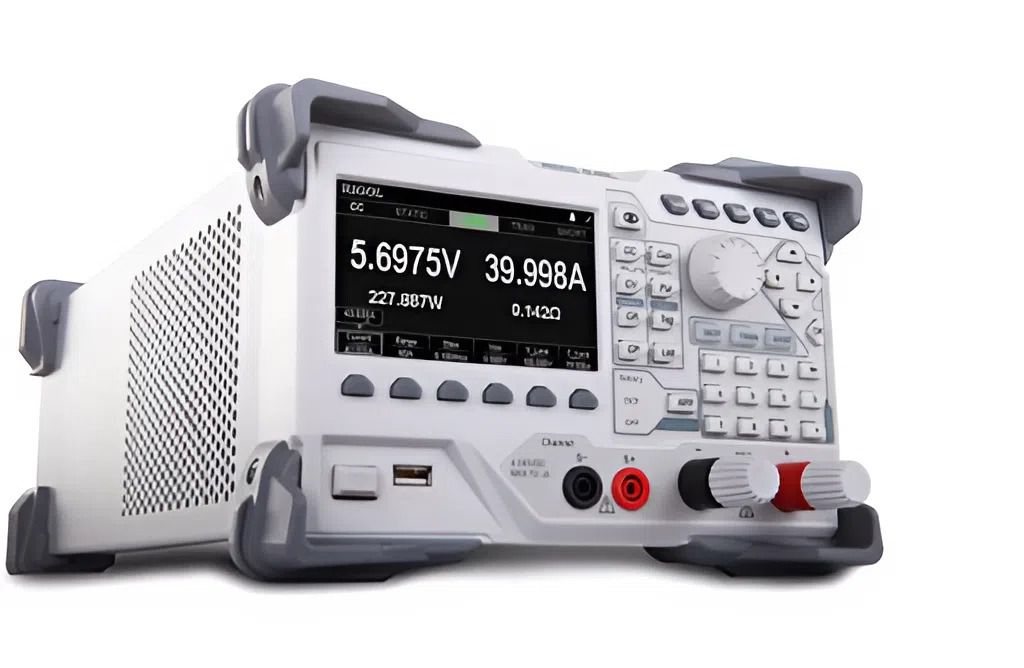
Among the various types of dummy loads currently available, regenerative DC dummy loads are becoming increasingly popular. The unique feature of this type of device is its ability to recover the energy it consumes and return it to the power grid instead of dissipating it as heat like traditional dummy loads. This results in more stable experiments, greater energy savings, and significantly reduces the burden on the lab's cooling system.
The emergence of regenerative DC dummy loads has brought about a major shift in testing practices, especially for high-power devices such as electric vehicle chargers, energy storage systems, programmable power supplies, or equipment in the solar energy industry. As testing requirements become increasingly stringent, the energy efficiency and continuous operation capabilities of this type of load are increasingly valued.
See more: Overview of Electronic Dummy Loads and Their Role in DC Power Supply Testing
When should you use a regenerative DC dummy load?
Below are some examples where regenerative DC dummy loads are truly effective.
Large-scale production environment
When testing hundreds or thousands of power supplies daily, the amount of electricity consumed during the testing process is enormous. Using traditional dummy loads, all the energy is converted into heat and wasted. With regenerative DC dummy loads, this energy is returned to the grid, significantly reducing operating costs for businesses. This difference is even more apparent in large-scale production or continuous testing.
High-power system testing
With devices that have a power rating of several kilowatts or more, the heat generated by using dummy loads is often very high. This makes the lab prone to overheating, forcing the air conditioning system to work harder, leading to increased costs. Regenerative DC dummy loads almost completely eliminate this problem because the amount of heat generated is much lower. As a result, the testing environment is cooler and easier to control.
Prolonged testing in R&D
In research projects, equipment often needs to run continuously for hours or even days. Reducing heat, lowering electricity costs, maintaining stability, and protecting the equipment over extended periods are the strengths of regenerative DC dummy loads. This is also why large labs prefer this type of load for stress tests or long-cycle experiments.
Businesses aim to save energy.
For companies concerned with reducing energy consumption and heat emissions, regenerative DC dummy loads are a suitable option. They help lower costs while simultaneously improving the company's image in energy efficiency and sustainability reports.
For small-scale work, simple testing, or testing low-power equipment, traditional dummy loads are sufficient. However, if you aim for long-term efficiency, need to test high power, or want to optimize operating costs, regenerative DC dummy loads are a much more economical option.
Currently, this type of load is gradually becoming the standard in many factories and laboratories worldwide. Major brands such as Keysight, ITECH, and EA Elektro-Automatik are all developing this product line, and it is widely used in industries related to energy and electronics.
In Vietnam, EMIN offers a wide range of regenerative DC dummy loads, from basic to advanced, suitable for both small labs and high-power testing lines. If you need help selecting the right equipment or want advice on the optimal solution for your power supply testing process, EMIN's technical team is always ready to assist.