
For full functionality of this site it is necessary to enable JavaScript.
EMIN.VN
0

What is alluvial gold? Rapid metal content analysis using modern technology.

02/04/2026 16:25:43

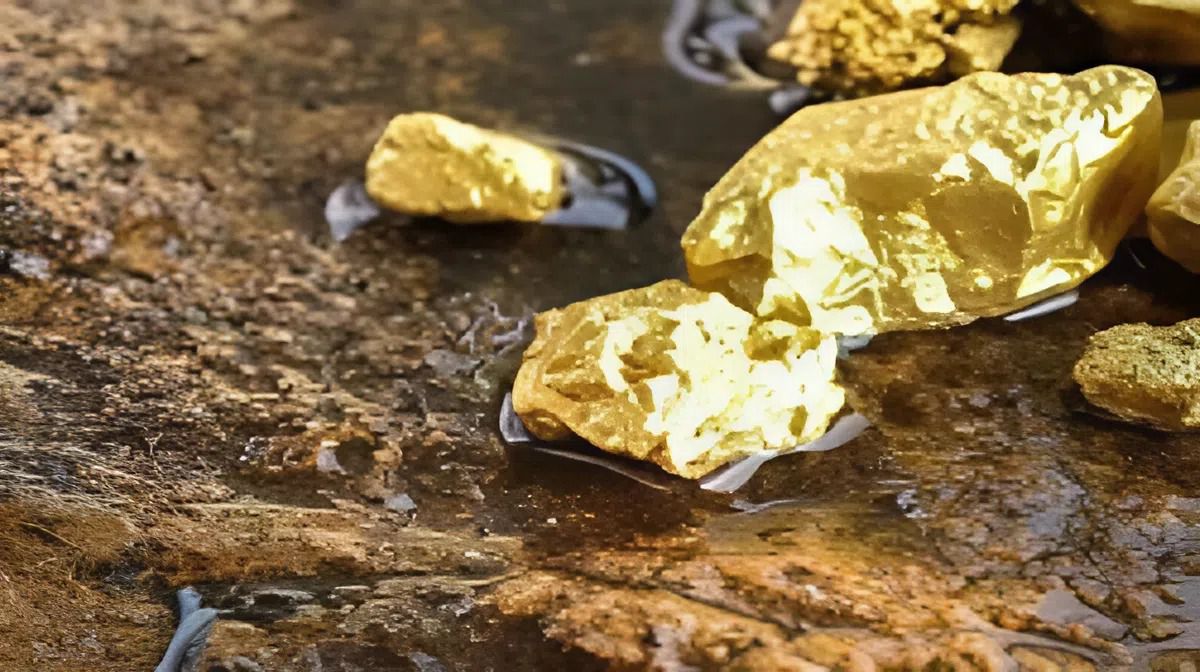
The gold rush hasn't quite subsided. With gold prices fluctuating constantly, there's more talk about alluvial gold, especially in areas with rivers, streams, rocky crevices, and floodplains. This type of gold doesn't exist in large lumps but as tiny particles mixed in with sand, rocks, and silt. Sometimes, you can pan all day and only find a few thin specks of gold, but other times you might stumble upon a truly valuable spot.

Understanding the true nature of alluvial gold is crucial not only for those assisting in the process but also for purchasing or testing units, as it requires determining the quantity rather than relying on expectations.

How is alluvial gold formed?

In nature, gold is found in deep ore veins in mountainous regions. Over millions of years, the rocks weathered, and the gold veins crumbled into small particles. Water carried these particles downstream, and they settled in sections of rivers and streams with unique topography.

Therefore, alluvial gold is often found in places where water flow changes direction, in long-standing alluvial deposits, or in rock crevices that retain heavy minerals. It is not clearly visible, but is trapped within a layer of mixed sand, gravel, and various other minerals.
Why is alluvial gold difficult to assess with the naked eye?

The most challenging aspect of alluvial gold is that the gold particles are very small and often contain many impurities. Some samples may appear valuable, but in reality, the gold content is very low. Conversely, some samples may look no different from ordinary sand but contain the precious metal.

Besides gold, alluvial deposits also contain many heavy elements such as iron, copper, lead, or silver. Relying solely on experience or manual observation can easily lead to confusion, especially during periods of high gold prices and increased market activity.

The need for metal content testing is becoming increasingly evident

Not only those who go to the mining site, but also gold raw material purchasing facilities, metal recycling businesses, and material testing laboratories need to know exactly what's in the sample. A placer sample may contain gold, but it could also just be ordinary heavy minerals.

At this point, the important thing is no longer about feeling or judgment, but the ability to quickly analyze the metal composition to determine the actual value before deciding to purchase or mine.

XRF technology enables rapid analysis of placer samples

In practice, many institutions now use XRF technology to test metal composition on-site. This method allows for rapid analysis of elements in a sample without complex processing or lengthy procedures.

For mineral samples with mixed structures, such as placer deposits, obtaining clear results helps avoid many risks during evaluation.
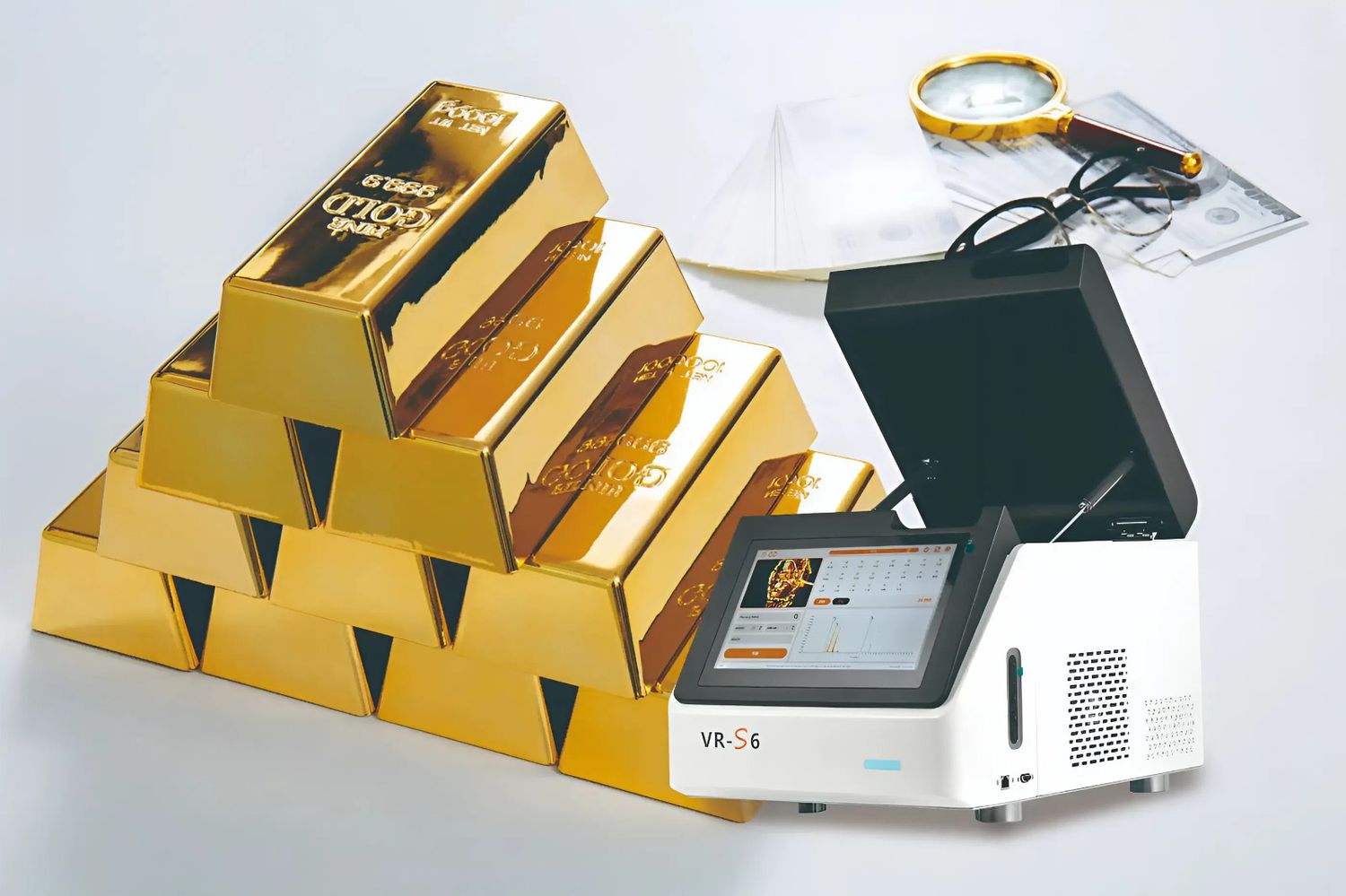
LANScientific TrueX TCB is a model currently available at EMIN.

In its range of X-ray metal composition analyzers, EMIN currently offers the LANScientific TrueX TCB XRF spectrometer. This device is a popular choice for many organizations to quickly test the metal composition of ore samples, alloys, or actual purchased samples.

For cases requiring assessment of metal content in placer deposits, this device helps shorten testing time and provides a clearer basis instead of relying solely on visual inspection.

Going to the deposit site still requires understanding the terrain, water currents, and practical experience. But to determine the value of a soil or rock sample, especially when the gold market is booming, metal composition analysis is an indispensable step.

Devices like the LANScientific TrueX TCB XRF spectrometer make the testing process more transparent, benefiting buyers, testing agencies, and businesses working with precious metals.

Related News

Formula for Converting TOC to COD for Wastewater
10/14/2026 11:27:30

This article addresses various questions in turn, covering whether conversion is permitted, how to establish the K-factor, when the factor ceases to be valid, and which equipment is suitable

Guide to Selecting Case and Sensor Materials for Pressure Gauges in Corrosive Chemical Environments
10/13/2026 11:14:57

In chemical processing plants, wastewater treatment facilities, oil & gas operations, and food production, selecting the wrong material for a pressure gauge often leads to severe consequences: Bourdon tube failure, toxic chemical leaks, equipment breakdown, and serious occupational safety hazards. This article provides practical technical criteria for selecting the correct case and sensor materials when measuring pressure in corrosive environments.

Measuring COD and TOC in Electroplating Wastewater Using a Benchtop Analyzer? What Sources of Error Should Be Avoided?
10/13/2026 10:55:11

The current situation regarding electroplating wastewater analysis presents challenges: the wastewater contains acids, alkalis, and heavy metals (such as Cr, Ni, and Cu), alongside persistent cyclic organic compounds derived from brightening agents, anti-misting additives, and degreasing solvents. This complex composition causes significant fluctuations in COD levels depending on the specific process stage and production shift. Sending samples to external laboratories results in a delay of several days—by which time the biological treatment tanks or coagulation systems may have already been operating improperly for too long. Utilizing a benchtop COD analyzer on-site reduces this turnaround time to just a few hours, provided the user fully understands the specific sources of error associated with electroplating wastewater

How to Rapidly Reduce COD in Domestic Wastewater?
10/13/2026 10:25:11

Wastewater treatment plants serving apartment complexes, buildings, and residential areas sometimes experience effluent COD levels approaching regulatory limits, particularly following sudden load surges or shortly before scheduled compliance sampling. QCVN 14:2025/BTNMT, applicable to domestic wastewater from September 1, 2025, sets COD limits based on discharge volume and the receiving water body, while allowing dischargers to choose between TOC and COD parameters

Challenges of Pressure Gauges in Hydrogen Environments
10/12/2026 16:47:15

The global energy transition trend is driving industrial plants, chemical facilities, and renewable energy sites to integrate hydrogen as a strategic fuel source to achieve decarbonization goals. However, practical experience shows that traditional mechanical pressure gauges rapidly degrade in service life and experience dangerous failures when in direct contact with hydrogen environments.

Stay Updated with Offers

Get exclusive volume discounts, bulk pricing updates, and new product alerts delivered directly to your inbox.

By subscribing, you agree to our Terms of Service and Privacy Policy.

Quick Support

Direct access to our certified experts


