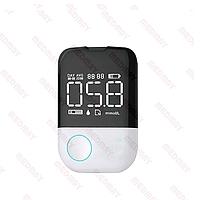
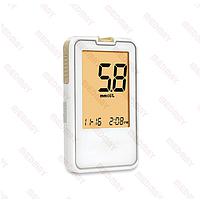
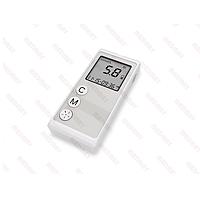
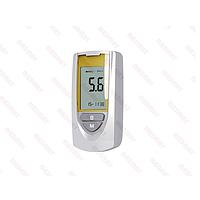
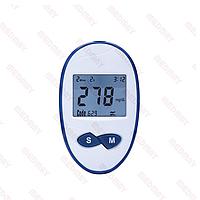
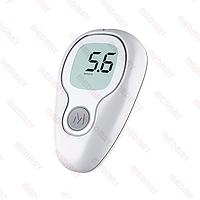
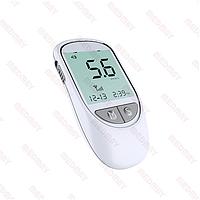
Blood Glucose Meter
Reliable glucose monitoring depends on fast readings, simple handling, and consistent test-strip performance. In clinical support settings, home-care programs, and personal monitoring routines, choosing the right blood glucose meter means looking beyond a single reading and considering the full workflow: sample collection, measurement speed, memory, portability, and strip availability.
This category brings together handheld devices and compatible strips used for routine blood glucose testing. It is designed for buyers who need a practical overview of meter options, supporting consumables, and the factors that matter when comparing devices for regular use.
Where blood glucose meters fit in daily monitoring
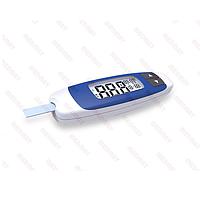
A blood glucose meter is used to measure glucose concentration from a small blood sample, typically capillary whole blood. These devices are widely used in self-monitoring and point-of-care routines where quick feedback helps guide daily decisions, follow-up, or general glucose tracking.
Compared with broader health-monitoring tools such as a blood pressure monitor or a medical thermometer, glucose meters focus on a very specific biochemical measurement. That makes strip compatibility, sampling requirements, and reading reliability especially important when selecting the right device for repeated use.
What to consider when choosing a meter
For most buyers, the first priority is the balance between ease of use and measurement capability. Important points include sample volume, test time, result memory, display readability, and whether the device supports convenient data transfer for review or record keeping.
Another key factor is the surrounding measurement ecosystem. A meter is only part of the solution; ongoing operation depends on having the correct test strips and a workflow that users can follow consistently. For this reason, it is often more practical to evaluate the meter together with its matching consumables rather than as a standalone device.
Representative products in this category
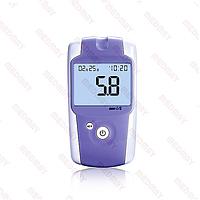
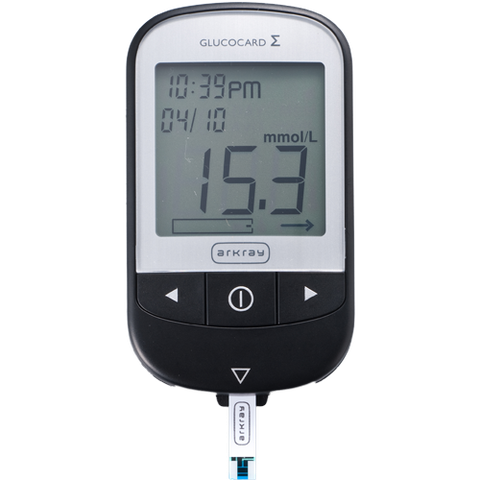
Among the featured options, the Arkray lineup illustrates a typical meter-and-strip pairing. The Arkray GLUCOCARD S Blood Glucose Meter is designed for blood glucose measurement with a compact handheld format, short test time, memory storage, and support for GLUCOCARD S test strips. For users who need routine testing in a portable format, these are practical characteristics to review.
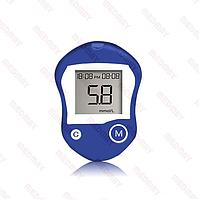
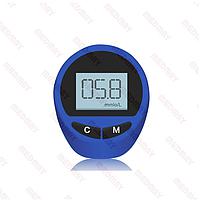
The matching Arkray GLUCOCARD S-50 test strips play an equally important role, since strip compatibility directly affects day-to-day usability. In the same category, the Trividia Health True Metrix Blood glucose meter represents another recognized option for routine monitoring, giving buyers a broader basis for comparing device handling and supply preferences. If you want to browse the full range, you can also view our dedicated blood glucose meter selection.
Why strip compatibility matters
In practice, many purchasing issues come from mismatched consumables rather than from the meter itself. A glucose meter is designed to work with a specific strip family, and that pairing affects sample handling, measurement method, and normal operating workflow. Choosing the correct strip from the start helps reduce ordering mistakes and interruptions during use.
This is especially relevant for repeat procurement in clinics, pharmacies, distributors, and home-care channels. When comparing models, it is worth checking not only the device features but also the long-term availability of compatible strips, replacement cycles, and how easily users can identify the right consumables for reordering.
Common evaluation criteria for B2B and institutional buyers
For B2B purchasing, the decision often involves more than one end user. A distributor, medical supplier, or care provider may need devices that are straightforward to deploy across multiple patients or operators. In those cases, operator simplicity, stable supply of consumables, and manageable training requirements can matter as much as technical range.
It is also useful to assess how the meter fits into a broader set of routine medical measuring tools. Buyers who manage multiple health-monitoring categories may also compare adjacent products such as body fat and weight management scales for wellness programs or screening environments. Looking at the wider device mix can help standardize procurement and simplify support.
Applications and user scenarios
Blood glucose meters are commonly used wherever rapid spot-check testing is needed. Typical scenarios include home monitoring, outpatient support, chronic-condition follow-up, and supply programs where portability and straightforward operation are valued. The device format is particularly suitable when users need a reading within seconds from a very small sample.
Selection priorities can vary by use case. Some buyers may focus on compact size and low sample volume, while others may place more weight on memory capacity, interface convenience, or the availability of a familiar brand such as Trividia Health. The best fit usually depends on how often the device will be used and how the data will be managed afterward.
How to compare options more effectively
A good comparison process starts with the basics: intended users, expected testing frequency, and the preferred supply model for strips. From there, it becomes easier to narrow down whether a compact meter with onboard memory is sufficient or whether you also need added convenience such as data transfer support.
It is also helpful to compare the complete ownership picture rather than only the device body. A well-matched combination of meter, strips, and replenishment planning often delivers better long-term value than choosing a device based only on first-purchase cost. For many buyers, this is the most practical way to avoid disruption in routine monitoring.
Choosing the right blood glucose monitoring setup
The right solution usually comes from matching the device to the user workflow, not just the product label. A meter that is easy to read, quick to use, and supported by readily identifiable strips can make routine monitoring more consistent and easier to manage over time.
Within this category, buyers can compare compact glucose meters and compatible strip options from established manufacturers, including Arkray and Trividia Health. Whether you are sourcing for resale, care support, or regular personal use, a careful review of compatibility, usability, and replenishment needs will lead to a more dependable glucose monitoring setup.
Get exclusive volume discounts, bulk pricing updates, and new product alerts delivered directly to your inbox.
By subscribing, you agree to our Terms of Service and Privacy Policy.
Direct access to our certified experts