For full functionality of this site it is necessary to enable JavaScript.
EMIN.VN
0

In the laboratory, it is necessary to prepare toxic gas extraction equipment

01/06/2025 09:27:27

Today, technology has contributed to significantly improving safety and efficiency in laboratory setups. From cleanroom management to smoke control, scientists can now easily maintain optimal working environments.

Typically, modern electronic sensors help monitor and maintain humidity in clean rooms with high accuracy, with only about 1% error. However, no matter how advanced the technology, when handling hazardous materials, working in an area with a chemical fume hood is still irreplaceable. So why is a fume hood important and what should you pay attention to when using it? Let's learn more about the essential role of this equipment and the basic principles to ensure safety during experiments.

The importance of fume hoods in the laboratory

Fume hoods play an essential role in protecting all laboratory personnel by removing toxic or hazardous vapors from work areas. An effective ventilation system is a key factor to ensure that polluted air is thoroughly treated, minimizing risks. Without a fume hood, employees can face serious harm, especially when working with specific materials such as during the 14C labeling process. Inhaling toxic gases is not only dangerous to your health, but also poses other potential threats such as fire, explosion, burns, or absorption of unwanted chemicals.
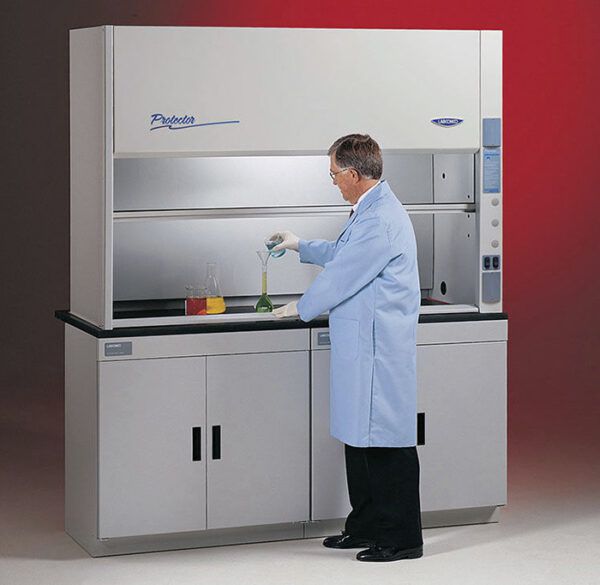
In particular, to meet GMP quality control standards, laboratories need to be equipped with toxic fume hoods before starting any activities. Fume hoods not only protect the health of employees but also ensure overall safety in the work environment, especially in API GMP manufacturing, where hazardous chemicals are frequently handled. Therefore, investing in a fume hood is absolutely necessary and worth considering for use in a lab working environment.

  • Refer to the lab fume hood product at: Fume hood

How to use a toxic fume hood effectively

When working with materials such as radioactive compounds, checking the fume hood before starting the experiment is indispensable. Ensuring the device is working properly helps protect users from potential risks. Note that fume hoods are designed to remove toxic gases, not to store chemicals or equipment. Storing these materials in a fume hood may cause unwanted risks. Instead, chemicals and tools should be stored properly in designated areas.
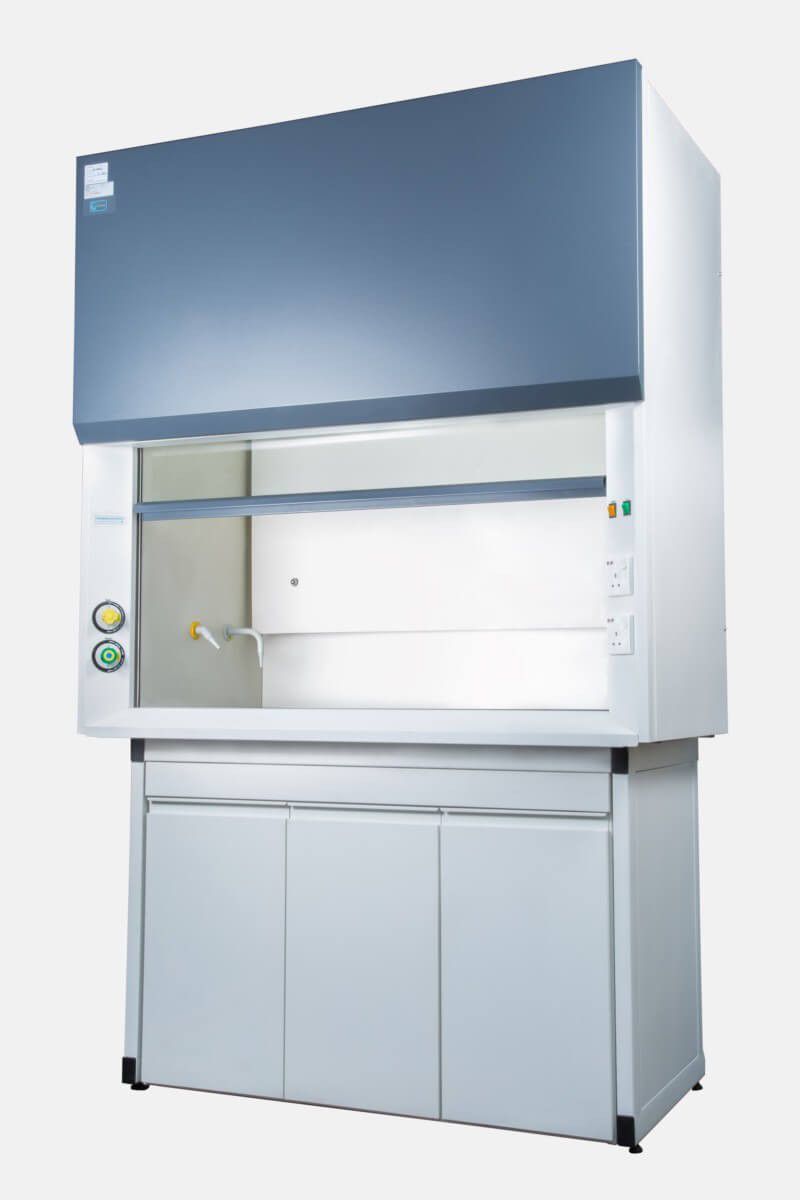
In addition, to ensure performance and safety, fume hoods need to be periodically inspected by experts to ensure full compliance with standards and technical guidelines. This not only helps the equipment operate optimally but also minimizes potential risks in the laboratory.

See more related articles: How to choose the right fume hood for the laboratory

Related News

Coating Adhesion Test Methods for Reliable Inspection
09/18/2026 10:10:46

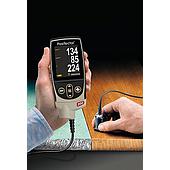
A coating adhesion tester is an essential instrument for evaluating the quality of paints, varnishes, and protective coating systems. The coating must bond sufficiently well to the substrate or underlying coating layer to minimize peeling during use. Depending on the substrate material, coating system structure, test conditions, and evaluation objectives, operators can select from several adhesion test methods, including knife, tape, pull-off, and scratch tests.

Ultrasonic Coating Thickness Measurement on Wood
09/18/2026 10:06:58

A practical overview of ultrasonic coating thickness measurement for wood and wood products, including operating principles, measurement considerations, and process-control benefits.

Screen Printing Thickness Measurement Guide
09/18/2026 10:05:45

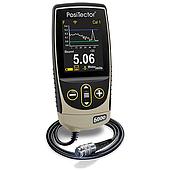
The PosiTector 6000 FS1 is a non-destructive coating thickness gauge that enables the monitoring of mesh, emulsion, stencil, and dried ink thicknesses in the screen printing process.

Reactive Power Compensation Capacitors Bulging or Exploding Before Their Design Lifespan
09/17/2026 16:10:45

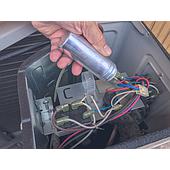
The capacitor labels indicated a 10-year lifespan, yet after just two years of service, the casings began to bulge; some even exploded, accompanied by a popping sound and a burnt odor that permeated the electrical room. The maintenance team would install replacements, only for the exact same issue to recur a few months later. This cycle repeated multiple times before anyone finally questioned whether the failures were due to the capacitors reaching the end of their service life or because they were being subjected to conditions beyond their original design specifications.

Overheated Neutral Wire and Neutral Current Exceeding Phase Current: What Are the Causes?
09/17/2026 15:44:48

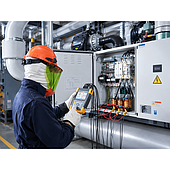
According to balanced three-phase circuit theory, the neutral current should ideally be zero or negligible compared to the phase current. Yet, technicians frequently discover during inspections at electrical panels that the neutral wire is extremely hot, with measured neutral currents sometimes even exceeding the current in individual phase wires. This is neither a rare occurrence nor a measurement instrument error; rather, it indicates that the system's loads are non-linear, generating harmonics that traditional conductor sizing methods fail to account for

Stay Updated with Offers

Get exclusive volume discounts, bulk pricing updates, and new product alerts delivered directly to your inbox.

By subscribing, you agree to our Terms of Service and Privacy Policy.

Quick Support

Direct access to our certified experts