Melting Point Tester
Accurate thermal characterization is a routine requirement in laboratories that work with chemicals, pharmaceuticals, polymers, and raw material quality control. When a sample changes from solid to liquid within a defined temperature range, that transition can reveal both identity and purity, making a Melting Point Tester an important instrument for analytical and QC workflows.
On this page, buyers can review instruments and related accessories used for melting point and melt flow evaluation, from laboratory analyzers for standard melting point determination to specialized systems for polymer flow behavior at elevated temperatures. The category is relevant for users who need repeatable temperature control, clear result interpretation, and equipment suited to routine bench use or more demanding test procedures.

Why melting point testing matters in the lab
Melting point measurement is widely used to assess the physical behavior of solid materials under controlled heating. In many laboratory environments, it supports incoming inspection, material identification, purity screening, and consistency checks between production batches.
For crystalline substances, a narrow melting range often indicates a cleaner, more uniform sample, while contamination or compositional variation can broaden the transition and shift it to a lower temperature. This is why melting point data remains a practical reference point in research, education, formulation work, and quality assurance.
How a melting point tester works
A typical instrument heats the sample in a controlled and gradual manner while the operator or internal detection system monitors the visible change in state. Depending on the instrument design, the system may track the beginning of softening, the first sign of liquefaction, and the point at which the sample becomes fully melted.
Modern units are designed to improve repeatability through stable heating control, clear temperature display, and easier observation of the transition. In routine applications, this helps reduce operator subjectivity and makes it easier to compare results across multiple samples or test runs. For broader temperature monitoring tasks in the lab, users may also review temperature meters and indicators when building a complete measurement setup.
Typical applications across industries
This category serves laboratories working with organic and inorganic compounds, pharmaceutical intermediates, fine chemicals, educational samples, and selected industrial materials. In these settings, melting point testing is used to confirm expected material behavior and support process documentation.
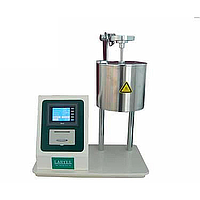
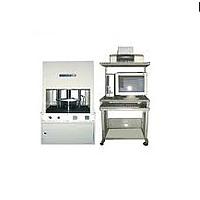
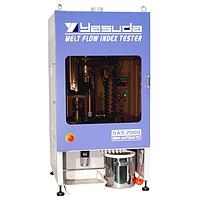
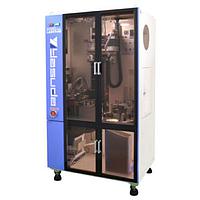
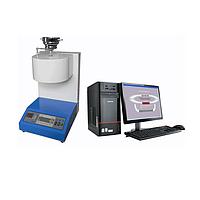
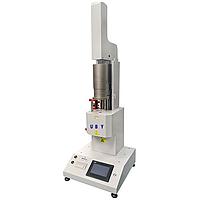
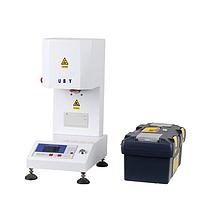
Some products listed in this category also relate to polymer testing rather than classical capillary melting point analysis. For example, the PCE MFI 400 Melt Flow Tester and several Karg melt index testers are suited to evaluating thermoplastic flow characteristics under heat and load. Although melt flow index and melting point are different tests, both belong to the wider ecosystem of thermal material analysis and are often relevant to plastics processing and materials laboratories.
What to consider when choosing a suitable instrument
The right selection depends first on the type of sample and the test method required in your workflow. If the goal is classical melting point determination for laboratory compounds, compact analyzers and capillary-based accessories are often the most relevant. If the application involves thermoplastics, a melt index or melt flow tester may be more appropriate.
Temperature range is another key factor. Several featured Karg systems are designed for operation up to 400°C, while the Falc FC.621.0000.23 Melting Point Analyzer MP360D is intended for melting point analysis up to 350°C. Buyers should also consider control resolution, bench footprint, documentation needs, and whether accessories such as tubes, printer output, or consumables are needed for regular use.
In addition, integration with surrounding equipment can matter in practical lab use. Related items such as temperature accessories or suitable sensing components from temperature wire and cable categories may help complete an existing thermal measurement environment.
Examples of products in this category
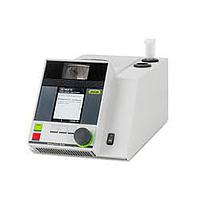
For users focused on laboratory melting point analysis, the Falc FC.621.0000.23 Melting Point Analyzer MP360D represents a dedicated analyzer format, while the Falc printer and thermal paper accessories support printed result handling where hard-copy documentation is still preferred. The DaiHan WI.2702000 and WI.2700000 melt point tubes illustrate the importance of sample preparation accessories in capillary-based testing workflows.
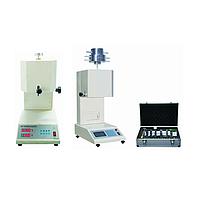
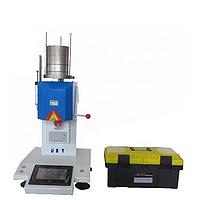
For polymer laboratories, Karg offers several configurations such as MeltFloW basic, MeltFloW basic plus, MeltFloW@on, MeltFloW@on plus, and PETFloW. These products differ in physical format and configuration but generally address controlled thermal testing of polymer melt behavior. The PCE MFI 400 also fits this area, with a broad melt flow measurement range and elevated temperature capability suitable for routine plastics testing.
Manufacturers commonly associated with this category
This category includes brands commonly used in analytical and industrial laboratory environments, including Karg, PCE, DaiHan, Falc, and Samyon. Depending on the testing objective, different manufacturers may be more relevant for compact lab analyzers, accessories, or material characterization equipment.
Other recognized brands in the broader category context include Buchi, Cole parmer, KRUSS, Stanford Research Systems, and Cometech. Rather than choosing by brand alone, it is usually more effective to compare the required test principle, operating temperature, sample format, and reporting needs against the intended laboratory workflow.
Practical buying guidance for B2B users
For procurement teams, it helps to define whether the instrument will be used for incoming material inspection, R&D, educational use, or formal quality control. The number of samples tested per day, the level of documentation required, and the need for consumables or replacement parts can all influence the best fit.
It is also useful to think beyond the instrument itself. Laboratories often need compatible tubes, paper, printers, or supporting temperature measurement tools to maintain smooth operation over time. Reviewing the full category with these workflow details in mind usually leads to a more suitable purchase than comparing headline specifications alone.
Conclusion
A well-chosen melting point or related thermal testing instrument helps laboratories generate consistent data, improve sample assessment, and support day-to-day quality decisions. Whether the requirement is classical melting point determination, accessory support for capillary testing, or polymer melt flow evaluation, this category brings together relevant options for technical buyers who need reliable thermal analysis equipment.
When narrowing down the right model, focus on the test method, operating temperature, sample type, and documentation needs of your process. That approach makes it easier to identify an instrument that fits both current laboratory tasks and future testing requirements.
Get exclusive volume discounts, bulk pricing updates, and new product alerts delivered directly to your inbox.
By subscribing, you agree to our Terms of Service and Privacy Policy.
Direct access to our certified experts