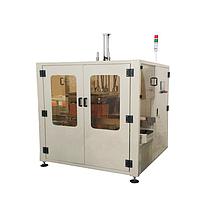
Case packer
When production volume increases, secondary packaging quickly becomes a bottleneck if cartons still need to be filled manually. In many manufacturing environments, a case packing system helps stabilize output, reduce repetitive handling, and keep downstream logistics more consistent. For companies building or upgrading a packaging line, choosing the right Case packer category is often less about one machine in isolation and more about how it fits into the full end-of-line workflow.
Where case packers fit in a packaging line
A case packing machine is used to load products into shipping cases or cartons in a repeatable, controlled way. This stage usually comes after primary packaging and often works together with equipment that prepares cartons, positions products, and closes the final package for transport or storage.
In practical line design, case packers are rarely considered alone. They are commonly matched with systems such as an auto case erector upstream to form boxes and a carton sealer downstream to close them efficiently. This broader view helps buyers evaluate not only machine speed, but also overall line balance and labor requirements.
Common applications across consumer goods and industrial packaging
Case packers are widely used where products need to be grouped and packed consistently before shipping. Typical environments include personal care, household goods, food-related packaging lines, and light industrial products, especially where pack patterns and carton presentation must remain uniform over long production runs.
For example, carton-based products such as toothpaste, soap, and similar retail packs often benefit from automated handling before final shipment. In these applications, the machine’s role is not simply to place items into a case, but to support repeatable packing quality, reduce handling damage, and improve throughput predictability.
What to consider when selecting a case packer
The right choice depends on product format, carton dimensions, line capacity, and the level of automation required. Buyers usually start with the physical characteristics of the packaged item: shape stability, orientation requirements, grouping pattern, and whether the product arrives continuously or in indexed batches.
It is also important to review operating conditions such as available power, compressed air, and floor space. In many projects, the best result comes from matching the case packer not only to current production needs but also to future changeovers, carton size variation, and maintenance accessibility. A machine that integrates well with upstream and downstream stations often delivers better long-term value than a standalone unit chosen only for nominal speed.
Representative equipment in this category
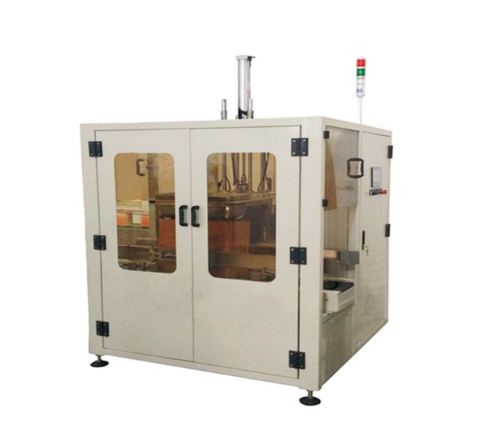
One example from this product range is the Danrel DR-ZH226 Toothpaste & Soap Automatic Carton Box Making Packing Machine with Hot Melt Gluing, designed for applications involving compact retail cartons. Based on the listed configuration, this model is built for automated carton forming and packing tasks in a structured multi-station setup, with pneumatic drive and hot melt gluing support for stable packaging output.
The available product data indicates a working range suited to relatively small carton formats and a throughput of 30 to 60 cartons per minute. That makes it a useful reference point for buyers evaluating equipment for medium-speed packaging operations where consistency, carton handling accuracy, and compact product presentation matter. For companies already standardizing on the brand, the Danrel portfolio may also provide helpful context when comparing packaging equipment across the same supplier ecosystem.
Integration with related packaging equipment
Case packing performance depends heavily on how products arrive at the loading point and how packed cartons are handled afterward. If upstream product presentation is inconsistent, even a capable machine can lose efficiency due to jams, misalignment, or stoppages. That is why line planning should include product spacing, transfer control, and carton supply stability from the beginning.
In some packaging lines, related equipment such as a labeling machine may be added after case packing or sealing, depending on logistics and traceability requirements. Other applications may begin with retail pack creation on a blister packing machine before products move into secondary and tertiary packaging stages. Looking at the line as a connected system usually leads to a more reliable equipment decision.
Operational benefits for B2B users
From an operations perspective, automated case packing can help reduce manual packing labor, improve packing uniformity, and support more stable production scheduling. These benefits become especially relevant when output targets rise, product counts per shift increase, or workforce availability fluctuates.
Another advantage is better process control. With a properly selected machine, manufacturers can standardize pack patterns and reduce variability between shifts, which can be important for warehousing, palletizing, and shipment quality. In regulated or quality-sensitive environments, a more structured packaging process can also simplify internal inspection and line supervision.
How to evaluate this category for your project
For most buyers, the evaluation process should begin with actual production requirements rather than catalog comparison alone. Useful starting points include product dimensions, case format, target speed, changeover frequency, and how the machine will connect with existing conveyors or packaging stations. This helps narrow the shortlist to equipment that fits the application in realistic operating conditions.
If your line handles small boxed consumer goods or similar retail packs, reviewing the available machine layout, loading method, and carton handling logic is especially important. A suitable solution in the Case packer category should support the packaging flow you need today while leaving enough flexibility for routine production changes and future expansion.
Choosing packaging equipment is ultimately about building a dependable process, not just adding another machine. By comparing application fit, integration needs, and available product examples in this category, buyers can make a more informed decision and develop a packing line that is easier to run, maintain, and scale over time.
Get exclusive volume discounts, bulk pricing updates, and new product alerts delivered directly to your inbox.
By subscribing, you agree to our Terms of Service and Privacy Policy.
Direct access to our certified experts